
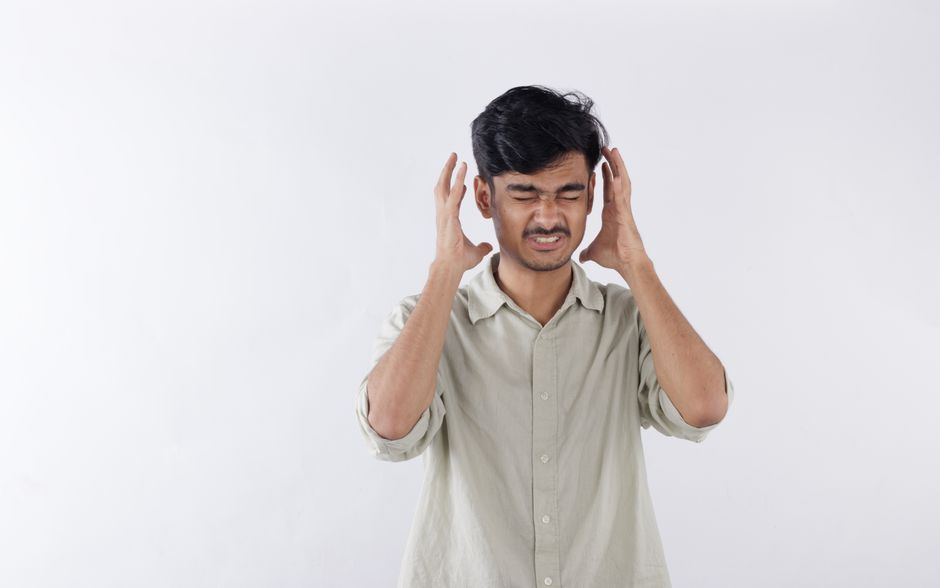
Anxiety shows up in the body before it shows up in words. A racing heart, tight chest, restless stomach, or a mind that will not slow down at night are common early signs. The core symptoms of anxiety fall into four groups: physical sensations, worried thoughts, changes in behavior, and trouble with sleep or concentration. Most people notice a mix of all four rather than just one.
Anxiety itself is a normal response. It becomes a health concern when the symptoms are intense, last for weeks or months, and start to interfere with work, relationships, or daily tasks. Knowing what to look for is the first step toward getting the right kind of help.
What Are The Symptoms Of Anxiety?
The symptoms of anxiety are wide-ranging because anxiety activates the body’s stress response, which affects nearly every system. That is why two people with the same condition can describe very different experiences.
Physical symptoms are often the first thing people notice. These can include a fast or pounding heartbeat, shortness of breath, sweating, trembling, muscle tension, headaches, and an upset stomach. Some people feel a lump in the throat or a sense of choking.
Mental and emotional symptoms include persistent worry that feels hard to control, a sense of dread, irritability, and difficulty concentrating. Racing thoughts are common, especially at night.
Behavioral symptoms are easy to miss. People may avoid situations that trigger their anxiety, seek constant reassurance, or have trouble starting and finishing tasks. Sleep problems are frequent, both falling asleep and staying asleep.
The key distinction is not whether these symptoms exist, but how long they last and how much they affect daily life. Occasional anxiety is normal. Anxiety that persists for months and disrupts functioning is a signal to seek professional support.
How Do Physical Anxiety Symptoms Affect The Body?
When the brain perceives a threat, it triggers the release of stress hormones, including adrenaline and cortisol. This is the fight-or-flight response, and it is designed to be short-lived. In anxiety disorders, the response fires too often or stays switched on longer than it should.
Adrenaline speeds up the heart, increases breathing rate, and redirects blood flow toward large muscles. This is why anxiety can feel like a heart problem even when the heart is healthy. Chest tightness and a pounding pulse are direct results of this surge.
Cortisol keeps the body on alert. Over time, elevated cortisol can affect digestion, sleep, and immune function. This is one reason chronic anxiety is linked to stomach issues, frequent illness, and fatigue.
The digestive system is especially sensitive. Anxiety can cause nausea, diarrhea, constipation, or a churning feeling in the stomach. The gut and brain communicate constantly through what is called the gut-brain axis, so stress signals travel both directions.
Muscle tension is another hallmark. People with ongoing anxiety often carry tightness in the neck, shoulders, and jaw without realizing it. This can lead to tension headaches and chronic pain.
What Does Anxiety Feel Like Emotionally And Mentally?
Emotionally, anxiety often feels like a low-grade sense of danger that does not switch off. Some people describe it as a constant hum of worry. Others describe sudden waves of fear that peak within minutes.
Cognitively, anxiety narrows attention. The brain becomes biased toward spotting threats, which makes neutral situations feel risky. This is why someone with anxiety might replay conversations, imagine worst-case outcomes, or struggle to make decisions.
Irritability is common and often overlooked. When the nervous system is stretched thin, small frustrations can trigger outsized reactions. This can strain relationships and lead to guilt, which adds to the emotional load.
Many people with anxiety also experience a sense of detachment from themselves or their surroundings during intense episodes. These feelings are distressing but are not dangerous, and they typically pass as the anxiety settles.





How Can You Tell Normal Anxiety From An Anxiety Disorder?
Normal anxiety is tied to a specific situation, fades when the situation passes, and does not stop you from living your life. An anxiety disorder is more persistent, more intense, and more disruptive.
Clinicians look at several factors when making a diagnosis. These include how long symptoms have been present, how often they occur, and whether they cause significant distress or impairment. The presence of avoidance behavior is a strong signal, because avoiding situations tends to reinforce anxiety over time.
There is no single blood test for anxiety. Diagnosis is based on a clinical interview and a review of symptoms. A doctor may run tests to rule out medical conditions that can mimic anxiety, such as thyroid problems or heart arrhythmias.
It is also worth noting that anxiety and depression frequently occur together. Research consistently shows high rates of overlap between the two. When both are present, treatment usually addresses both rather than treating them as separate problems.
When Do Anxiety Symptoms Usually Start?
Anxiety symptoms can begin at any age. Many anxiety disorders first appear in childhood or adolescence, but they can also emerge in adulthood, often during periods of major change or stress.
In adults aged 35 to 65, anxiety sometimes shows up for the first time during life transitions such as job changes, caregiving responsibilities, health scares, or the death of a loved one. Hormonal shifts, including those around menopause, can also influence anxiety symptoms.
Some people have had mild anxiety for years and only recognize it as a problem when it intensifies. Others experience a clear onset after a specific event. Both patterns are common.
What Other Conditions Can Look Like Anxiety?
Several medical conditions can produce symptoms that resemble anxiety, which is why a proper evaluation matters. Thyroid disorders, particularly an overactive thyroid, can cause a racing heart, sweating, and restlessness.
Heart conditions, including arrhythmias, can cause palpitations and chest discomfort. Low blood sugar can trigger shakiness and a sense of panic. Certain medications, including some asthma inhalers and decongestants, can also cause anxiety-like symptoms.
Caffeine and other stimulants are frequent culprits. Consuming large amounts of caffeine can produce symptoms that closely mirror anxiety, including jitteriness, rapid heartbeat, and trouble sleeping.
Because so many conditions overlap with anxiety, it is important not to self-diagnose. A healthcare provider can help sort out what is happening and recommend the right next steps.
When Should You Seek Help For Anxiety Symptoms?
Seek professional support when anxiety symptoms last for weeks or months, interfere with work or relationships, or lead to avoidance of important activities. These are signs that the anxiety is no longer manageable on its own.
Seek immediate help if you have thoughts of harming yourself or others. In the United States, you can call or text 988 to reach the Suicide and Crisis Lifeline at any time.
Treatment for anxiety is well established. Talk therapy, particularly cognitive behavioral therapy, has strong evidence behind it. Medications are also widely used and can be effective. Many people benefit from a combination of both.
Lifestyle factors can support treatment but are not a replacement for it. Regular physical activity, consistent sleep, and limiting caffeine and alcohol can reduce symptom intensity for some people. The evidence for these measures is strongest as complements to professional care, not as stand-alone treatments.
If you are unsure whether what you are feeling is anxiety, that uncertainty is itself a good reason to check in with a doctor. You do not need to wait until things feel unmanageable.
Frequently Asked Questions
What are the most common symptoms of anxiety?
The most common symptoms include a fast heartbeat, sweating, trembling, muscle tension, persistent worry, irritability, and trouble sleeping or concentrating. Most people experience a mix of physical and mental symptoms rather than just one type.
How do I know if my anxiety is serious?
Anxiety is considered serious when symptoms last for weeks or months and interfere with daily life, work, or relationships. If avoidance or distress is affecting your functioning, it is worth talking to a healthcare provider.
Can anxiety cause physical symptoms without me feeling worried?
Yes, anxiety can show up physically even when you do not feel consciously worried. Symptoms like stomach upset, headaches, muscle tension, and a racing heart can occur without obvious mental worry.
When should I see a doctor for anxiety?
See a doctor if anxiety symptoms persist, disrupt your daily life, or lead you to avoid activities you used to do. A healthcare provider can rule out other conditions and discuss treatment options.
