
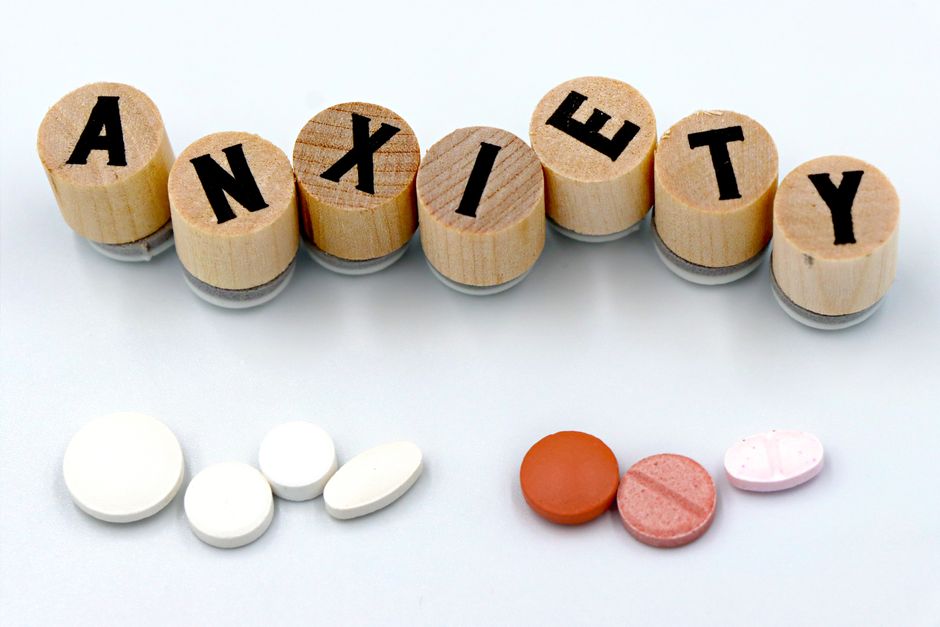
Anxiety medicines can cause side effects that range from mild and temporary to serious. The most common ones depend on the type of medicine, but they often include drowsiness, dizziness, nausea, headache, and sleep changes. Most people experience some side effects when they start treatment, and many of these ease within a few weeks as the body adjusts.
That is the short answer. The longer answer matters because “anxiety medicine” is not one thing. It is several different drug classes. Each works differently in the brain. Each carries its own set of risks. Knowing which type you are taking — or considering — is the first step to understanding what you might feel.
What Are the Main Types of Anxiety Medicine?
Doctors prescribe several categories of medication for anxiety. They are not interchangeable. What they share is a goal: reducing the intensity and frequency of anxious thoughts and physical symptoms. How they do that varies widely.
The main groups are:
- SSRIs (selective serotonin reuptake inhibitors) — such as sertraline, escitalopram, and fluoxetine
- SNRIs (serotonin-norepinephrine reuptake inhibitors) — such as venlafaxine and duloxetine
- Benzodiazepines — such as alprazolam, lorazepam, and clonazepam
- Buspirone — a non-benzodiazepine anxiolytic
- Beta-blockers — such as propranolol, sometimes used for performance-related anxiety
- Hydroxyzine — an antihistamine with sedating properties
SSRIs and SNRIs are generally considered first-line treatments for most anxiety disorders. Benzodiazepines work quickly but carry a risk of dependence and are usually prescribed for short-term use. This distinction matters enormously when talking about side effects, because the side effect profiles are very different.
What Are the Side Effects of Anxiety Medicine? Common Effects by Type
Side effects are not random. They follow from how each drug acts on the brain and body. Understanding the mechanism helps explain why certain effects happen and why some fade while others do not.
SSRIs and SNRIs
These medications increase the availability of serotonin — and in the case of SNRIs, norepinephrine — in the spaces between nerve cells. That shift takes time to produce benefits, often several weeks. During that early period, side effects are most noticeable.
Common side effects include nausea, headache, sleep disturbances, drowsiness or insomnia, dry mouth, sweating, and changes in appetite or weight. Some people experience sexual side effects, including reduced libido and difficulty reaching orgasm. These can persist even after other side effects fade.
Many of these early effects improve within one to two weeks. Some do not. Sexual side effects, in particular, often continue for as long as the medication is taken. This is one of the most common reasons people stop treatment — and one of the most important things to discuss openly with a prescriber.
Benzodiazepines
Benzodiazepines enhance the effect of GABA, the brain’s main inhibitory neurotransmitter. The result is rapid relief from anxiety — often within 30 to 60 minutes. That speed is both their strength and their risk.
Common side effects include drowsiness, dizziness, confusion, memory problems, and impaired coordination. These effects are more pronounced in older adults, who may also face a higher risk of falls and fractures.
Benzodiazepines carry a real risk of tolerance, dependence, and withdrawal. Physical dependence can develop within a few weeks of regular use. Withdrawal can be uncomfortable and, in some cases, dangerous. This is why they are generally recommended for short-term use or occasional use, not as a long-term solution for most anxiety disorders.
Buspirone
Buspirone is different from both SSRIs and benzodiazepines. It does not cause dependence and does not have the sedating effects of benzodiazepines. Common side effects include dizziness, nausea, headache, and nervousness. It can take two to four weeks to notice any benefit.
Beta-Blockers and Hydroxyzine
Beta-blockers like propranolol are sometimes prescribed for situational anxiety — public speaking, for example. They slow heart rate and reduce tremor. Side effects can include fatigue, cold hands and feet, and low blood pressure.
Hydroxyzine is an antihistamine that can reduce anxiety and help with sleep. Its main side effect is drowsiness. It is sometimes used as a short-term option or for occasional anxiety.
Are There Serious Risks I Should Know About?
Yes. Serious side effects are uncommon, but they exist. Knowing the warning signs is not about scaring yourself. It is about being informed.
For SSRIs and SNRIs, one rare but serious risk is serotonin syndrome. This happens when serotonin levels become dangerously high. It can occur when starting a new medication, increasing a dose, or combining certain drugs. Symptoms include agitation, confusion, rapid heart rate, high blood pressure, muscle rigidity, and fever. It requires immediate medical attention.
Another concern with SSRIs and SNRIs is an increase in suicidal thoughts or behavior, particularly in people under 25 during the first few weeks of treatment. The FDA requires a boxed warning about this. It does not mean these medications are unsafe for everyone. It means close monitoring is essential, especially early on.
Benzodiazepines carry risks of dependence, withdrawal, and overdose — especially when combined with alcohol or opioids. Combining benzodiazepines with opioids significantly increases the risk of respiratory depression and death. This combination should be avoided unless a doctor specifically and carefully manages it.
No medication is risk-free. The goal is to weigh the benefits against the risks with a qualified prescriber who knows your history.
How Long Do Side Effects Last?
It depends on the medication and the person. Some side effects are temporary. Others persist.
With SSRIs and SNRIs, many people notice side effects within the first few days. Nausea, headache, and sleep changes often improve within one to two weeks. Full therapeutic benefits typically take four to eight weeks. If side effects are still troubling after several weeks, that is worth discussing with your prescriber.
With benzodiazepines, sedation and coordination problems may lessen with continued use, but this is not guaranteed. Tolerance to the anti-anxiety effects can also develop, meaning the same dose may stop working as well over time.
Buspirone side effects, when they occur, often appear early and may subside as the body adjusts. Hydroxyzine’s drowsiness can persist with regular use.
The timeline is not the same for everyone. Genetics, age, other medications, and overall health all play a role.
What Should I Do If I Experience Side Effects?
Do not stop taking a medication suddenly without talking to your prescriber. This is especially important for benzodiazepines, SSRIs, and SNRIs. Stopping abruptly can cause withdrawal symptoms or a return of anxiety that feels worse than before.
If you notice side effects, write them down. Note when they started, how severe they are, and whether they are changing. Bring that information to your next appointment. Sometimes a dose adjustment helps. Sometimes switching to a different medication within the same class or a different class entirely solves the problem.
If you experience symptoms of serotonin syndrome — agitation, confusion, rapid heart rate, fever, muscle rigidity — seek emergency medical care. If you have thoughts of harming yourself, contact a crisis line or go to an emergency room. In the US, you can call or text 988 for the Suicide and Crisis Lifeline.
Side effects are a real part of treatment. They are also a conversation, not a verdict. Many people find a medication that works well for them with fewer side effects than they expected. Others find that non-medication approaches — therapy, lifestyle changes, or a combination — work better for their situation. Both paths are valid. The right one is the one that works for you, decided with a qualified professional.
Frequently Asked Questions
What are the most common side effects of anxiety medicine?
The most common side effects are drowsiness, dizziness, nausea, headache, and sleep changes. Which ones you experience depends on the specific type of medication.
Do anxiety medicine side effects go away?
Many side effects from SSRIs and SNRIs improve within one to two weeks, though some can persist. Benzodiazepine side effects may lessen but the medication carries risks of dependence with longer use.
Can I stop taking anxiety medicine if I have side effects?
You should talk to your prescriber before stopping any anxiety medication. Stopping suddenly can cause withdrawal symptoms or a return of anxiety that may be worse than before.
Are anxiety medicines safe long-term?
SSRIs and SNRIs are generally considered safe for long-term use in many people, though side effects like sexual dysfunction can persist. Benzodiazepines are not typically recommended for long-term use because of dependence risks.
