
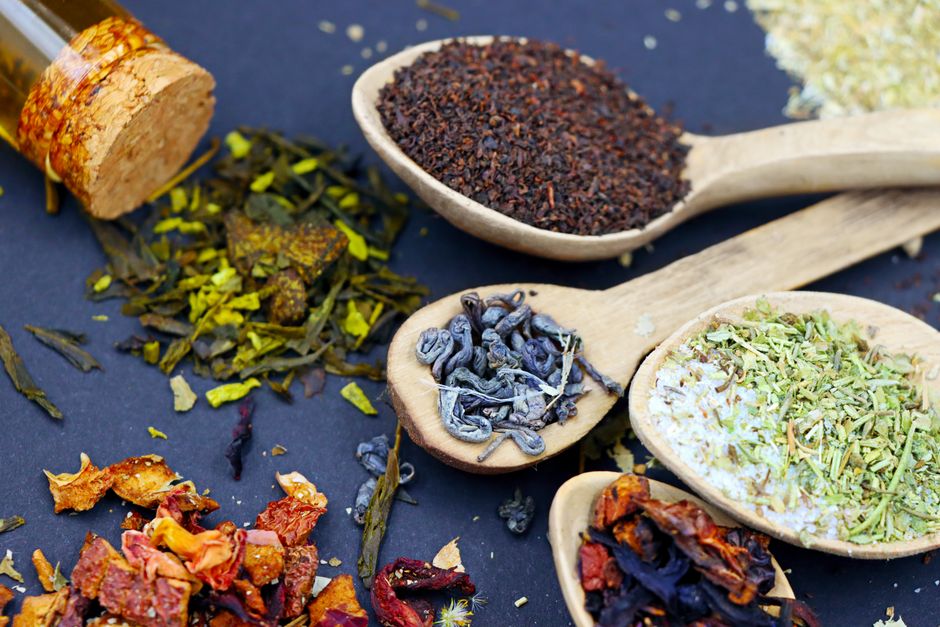
Open a packaged food label and you will likely see “natural flavors” listed somewhere in the ingredients. It sounds simple and harmless, but it is one of the most misunderstood terms in the grocery store. Natural flavors are flavoring substances extracted from plant or animal sources, used to add taste to food. They are not the same as artificial flavors, which are made from synthetic chemicals, but both types end up in processed foods every day.
What Exactly Is a Natural Flavor?
Natural flavors are compounds that manufacturers add to food to change or enhance its taste. The FDA defines them as substances derived from spices, fruit, fruit juice, vegetables, vegetable juice, edible yeast, herbs, bark, buds, roots, leaves, meat, seafood, poultry, eggs, dairy products, or fermentation products. Their significant function is flavoring, not nutrition.
The key difference from artificial flavors is the starting point. Natural flavors come from real plant or animal materials. Artificial flavors come from chemical synthesis in a lab. Yet the final molecules in both cases are often identical. A strawberry flavor made from actual strawberries and one made in a lab can contain the exact same chemical compound.
That surprises many people. The source determines the label, not the chemical structure. A flavor extracted from a real orange peel gets the “natural” label. The same flavor compound built from petroleum derivatives gets the “artificial” label. Both may taste identical in your mouth.
How Are Natural Flavors Made?
The manufacturing process starts with the raw material. A company might use a whole fruit, a spice, an herb, or a piece of meat. The flavor compounds are extracted using heat, solvents, enzymes, or fermentation. What remains is a concentrated flavoring substance.
This extract is then combined with other ingredients to make it stable and usable. Solvents, preservatives, and carriers like propylene glycol or vegetable oil may be added. These additional ingredients are considered incidental and do not have to be listed separately on the label. They are part of what is legally called a natural flavor.
One natural flavor can contain dozens of different chemical compounds. Some occur naturally in the source material. Others are added during processing. The final product is a proprietary blend, and manufacturers do not have to disclose the full recipe. This is why “natural flavors” on a label can cover a wide range of actual substances.
Why Do Food Companies Use Natural Flavors?
Food companies use them for consistency. A fresh strawberry varies in taste depending on the season, the soil, and the weather. A processed strawberry yogurt needs to taste the same every time. Natural flavors provide that uniformity.
They also compensate for processing losses. When food is cooked, pasteurized, or stored, it loses flavor. Natural flavors restore the taste that processing destroyed. Without them, many packaged foods would taste flat or bland.
Consumer preference also drives the choice. Many shoppers see “natural” on a label and feel better about the product. Food companies respond to that demand. They use natural flavors partly because the label reads better, not because the flavor is superior. This is marketing as much as food science.





Are Natural Flavors Safe?
The FDA considers natural flavors safe for consumption. They are classified as Generally Recognized as Safe, or GRAS, which means they have a long history of safe use or scientific evidence supporting their safety. This classification applies to the flavoring substances themselves.
Some people do report sensitivities to specific flavor compounds. For example, some individuals react to sulfites, which can appear in certain flavor preparations. Others may have allergies to specific source materials like celery or soy, which can be used as carriers. These reactions are real but uncommon.
The bigger concern is not acute toxicity but the lack of full transparency. Because manufacturers do not have to disclose every component of a natural flavor, consumers cannot know exactly what they are eating. For most people this poses no health risk. For those with severe allergies or dietary restrictions, it creates uncertainty.
Natural Flavors vs. Artificial Flavors: What Is the Difference?
The practical difference is smaller than most people assume. Both natural and artificial flavors are chemical compounds designed to produce a specific taste. The only guaranteed difference is the source material.
Natural flavors are derived from plants or animals. Artificial flavors are synthesized in a laboratory. But the final molecules can be identical. A natural vanilla flavor contains vanillin extracted from vanilla beans. An artificial vanilla flavor contains vanillin made in a lab. The chemical is the same; the origin differs.
There is no evidence that natural flavors are healthier than artificial ones. The body processes both the same way. The liver does not care whether a molecule came from a strawberry or a lab. It breaks down the chemical structure, not the origin story.
Cost is another difference. Natural flavors are generally more expensive to produce because they require raw materials and extraction processes. Artificial flavors are cheaper and more consistent. That cost difference often shows up in the final product price.
Do Natural Flavors Contain Allergens?
Yes, they can. The FDA requires that any major food allergen present in a natural flavor be listed on the label. The eight major allergens are milk, eggs, fish, shellfish, tree nuts, peanuts, wheat, and soybeans. If a natural flavor contains any of these, the label must say so.
This rule protects most people with common allergies. However, the rule does not cover every possible allergen. Sesame, for example, was not a major allergen under FDA rules until 2023. People allergic to less common substances may not get the same protection.
The label requirement also has limits. A flavor may be processed in a facility that handles allergens. Cross-contamination is possible. The FDA does not require labeling for trace amounts from shared equipment. People with severe allergies should be cautious with products containing natural flavors.
Are Natural Flavors Vegan or Vegetarian?
Not always. Natural flavors can come from animal sources. The FDA definition explicitly includes meat, seafood, poultry, eggs, and dairy products as allowable sources. A natural flavor in a plant-based product could still come from an animal.
This is a genuine concern for people following vegan or vegetarian diets. A vegetable broth powder might contain a natural flavor derived from beef. The label does not have to specify the animal origin. The only way to know for certain is to contact the manufacturer directly.
Some companies voluntarily label products as vegan or vegetarian. That certification requires the manufacturer to verify that all ingredients, including natural flavors, meet the standard. If a product lacks this certification, the natural flavors remain an unknown.
Why Do Some People Avoid Natural Flavors?
Some people avoid them for dietary reasons. Vegans and vegetarians may object to animal-derived flavors. People following religious dietary laws may have similar concerns. The lack of transparency makes these dietary choices difficult.
Others avoid them for health reasons. Some individuals report headaches, digestive issues, or allergic reactions after consuming products with natural flavors. The evidence for these reactions is mostly anecdotal. No large clinical studies have confirmed that natural flavors cause widespread health problems.
There is also a philosophical objection. Many consumers want to eat whole foods with minimal processing. Natural flavors, despite the name, are highly processed extracts. They are not the whole food itself. For people seeking a minimally processed diet, natural flavors are a reason to read labels carefully.
Can You Avoid Natural Flavors Entirely?
Yes, but it requires effort. The most reliable way is to eat whole, unprocessed foods. Fresh fruits, vegetables, meat, eggs, and grains do not contain added natural flavors. Cooking from scratch gives you full control over what goes into your food.
When buying packaged foods, read the ingredient list. Products with fewer ingredients are less likely to contain natural flavors. Items labeled “no added flavors” or “unsweetened” may still contain them, so the ingredient list is the only reliable source of information.
Some brands market themselves as free from natural flavors. These products exist but are less common. They often cost more. The choice comes down to your priorities: convenience, cost, or ingredient transparency.
Frequently Asked Questions
Are natural flavors bad for you?
No evidence shows that natural flavors are harmful in normal amounts. The FDA classifies them as safe, though some individuals may have sensitivities to specific compounds.
Do natural flavors have calories?
Natural flavors contain negligible calories. They are used in such small amounts that their energy contribution is essentially zero.
Can natural flavors cause allergic reactions?
Yes, if the flavor contains a substance you are allergic to. The FDA requires labeling for major allergens, but less common allergens may not be disclosed.
Is natural flavor the same as artificial flavor?
No, they differ in source. Natural flavors come from plant or animal materials, while artificial flavors are synthesized in a lab. The chemical compounds can be identical.
