
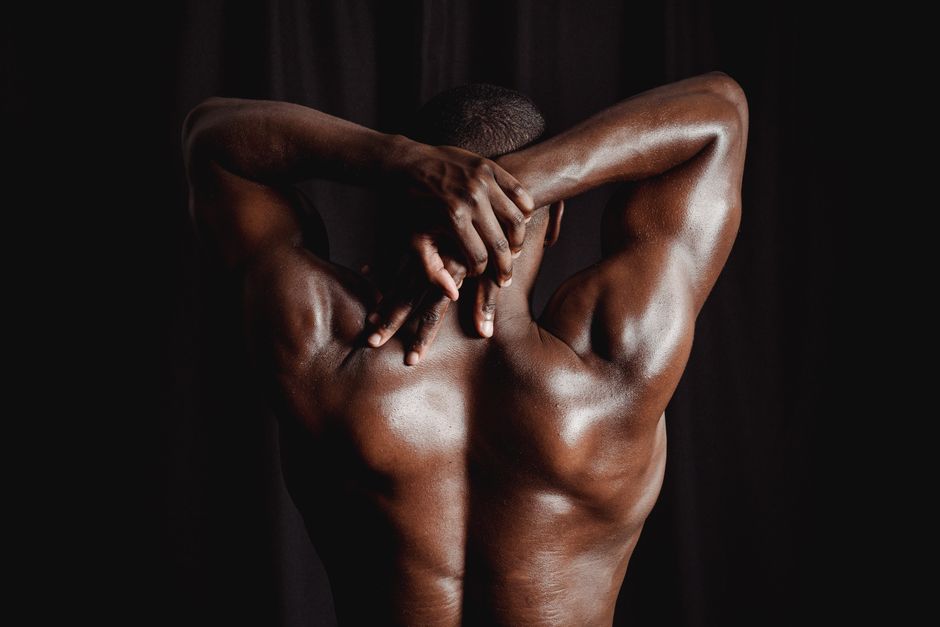
The muscular system is the collection of more than 600 muscles in the human body that allows you to move, maintain posture, and circulate blood. It includes three types of muscle tissue: skeletal, smooth, and cardiac, each with a distinct job. Understanding how this system works helps you make smarter decisions about exercise, injury prevention, and overall health.
What Are the Three Types of Muscles?
Your body contains three types of muscle tissue, and each one works differently. Knowing the difference matters because they respond to exercise and injury in completely different ways.
Skeletal muscle is what most people picture when they think of muscles. These are the muscles attached to bones by tendons. You control them voluntarily, which means you decide when they contract. Walking, lifting a cup, and typing all use skeletal muscle. They make up roughly 40 percent of your body weight.
Smooth muscle lines the walls of hollow organs like the stomach, intestines, bladder, and blood vessels. You do not control these muscles consciously. They push food through your digestive tract and regulate blood flow by tightening or relaxing blood vessel walls.
Cardiac muscle exists only in the heart. It shares features with both skeletal and smooth muscle but is its own distinct tissue. Cardiac muscle contracts rhythmically without you thinking about it, pumping blood through roughly 60,000 miles of blood vessels every day.
How Do Muscles Actually Contract?
Muscle contraction happens at the microscopic level through a process called the sliding filament theory. Inside each muscle fiber are two proteins: actin and myosin. When your brain sends a signal through nerves, these proteins slide past each other, shortening the muscle fiber.
This process requires energy in the form of ATP, which your cells produce from the food you eat. It also requires calcium. When a nerve signal arrives, calcium is released inside the muscle cell, triggering the interaction between actin and myosin. When the signal stops, the calcium is pumped back, and the muscle relaxes.
Muscles work in pairs to move your body. One muscle contracts to move a joint, and the opposing muscle relaxes to allow that movement. For example, your biceps contracts to bend your elbow, while your triceps relaxes. Straightening the arm reverses those roles.
What Are the Main Functions of the Muscular System?
Movement is the most obvious job of the muscular system, but it is far from the only one. Skeletal muscles pull on bones to produce movement at joints. That includes everything from walking to breathing, since your diaphragm is a skeletal muscle.
Posture and stability depend on muscles working continuously. Even when you stand still, muscles in your back, abdomen, and legs contract slightly to keep you upright. Without this constant low-level activity, you would collapse.
Muscles also generate heat. Every contraction produces heat as a byproduct, which helps maintain your body temperature around 98.6°F (37°C). When you shiver, your muscles contract rapidly to generate extra heat in cold conditions.
Beyond movement and heat, muscles protect internal organs. The abdominal muscles shield the organs in your midsection. The rib cage muscles assist in breathing. Smooth muscles move food through your digestive system and help empty your bladder.




What Are the Most Common Muscular System Problems?
Muscle strains are among the most frequent injuries. A strain occurs when muscle fibers tear, usually from overstretching or sudden force. Mild strains involve a few torn fibers. Severe strains can mean a complete muscle tear. Rest, ice, compression, and elevation remain the standard first-line approach for most strains.
Muscle cramps are sudden, involuntary contractions that can be intensely painful. They often strike the calf or foot, especially at night or during exercise. Dehydration, electrolyte imbalances, and muscle fatigue are common triggers, though the exact cause is not always clear. Stretching the affected muscle often relieves a cramp.
Soreness after exercise is normal and usually peaks one to two days after a workout. This is called delayed onset muscle soreness, or DOMS. It happens when muscles experience unfamiliar stress, causing microscopic damage that triggers inflammation as the tissue repairs. It is not the same as an injury, and it typically resolves within a few days.
More serious conditions affect the muscular system as well. Muscular dystrophy refers to a group of genetic diseases that cause progressive muscle weakness and loss of muscle mass. Myasthenia gravis is an autoimmune condition where the immune system attacks nerve-muscle connections, causing weakness that worsens with activity.
How Does Aging Change Your Muscles?
Muscle mass naturally declines with age, a process called sarcopenia. This decline typically begins around age 30 and accelerates after age 60. People who do not actively maintain their muscles can lose 3 to 8 percent of their muscle mass per decade after age 30.
This matters because muscle loss affects more than appearance. Weaker muscles increase fall risk, reduce mobility, and make daily activities harder. Maintaining muscle strength in later years is strongly associated with better quality of life and independence.
The good news is that muscle loss is not inevitable. Resistance training — lifting weights, using resistance bands, or doing bodyweight exercises — can build and maintain muscle at any age. Research consistently shows that older adults who strength train can gain muscle mass and improve function, even into their 80s and 90s.
Protein intake also plays a role. Your body needs adequate protein to repair and build muscle tissue. Older adults often need more protein than younger people to maintain muscle, though exact requirements vary by individual health status and activity level.
How Can You Keep Your Muscular System Healthy?
Regular physical activity is the single most important thing you can do for your muscles. The general guidance for adults is at least 150 minutes of moderate aerobic activity per week, plus muscle-strengthening activities on two or more days per week. Strength training should target all major muscle groups: legs, hips, back, abdomen, chest, shoulders, and arms.
Progressive overload is the principle behind muscle growth. To strengthen a muscle, you must challenge it with more resistance than it is used to. Over time, you gradually increase the weight, repetitions, or intensity. This stimulates the muscle to adapt and grow stronger.
Warming up before exercise and cooling down afterward can reduce injury risk. A proper warm-up increases blood flow to muscles and prepares them for activity. Starting intense exercise with cold muscles increases the chance of strain.
Hydration and nutrition support muscle function. Muscles are about 75 percent water. Dehydration impairs muscle performance and increases cramp risk. A balanced diet with adequate protein, carbohydrates, and healthy fats provides the fuel and building blocks muscles need to function and recover.
What Is the Difference Between Muscle Soreness and Injury?
Distinguishing normal soreness from actual injury helps you avoid both undertreating an injury and overresting healthy muscles. Soreness is typically diffuse, feels like aching, and affects both sides of the body equally after a workout. It peaks within 48 hours and fades within a few days.
Injury pain is usually sharper and localized to one specific spot. It often comes on suddenly during activity, though it can also build gradually. Significant swelling, bruising, weakness, or inability to bear weight warrants medical evaluation.
If pain persists beyond a week, worsens over time, or limits your normal activities, see a healthcare provider. Persistent pain can indicate a more serious tear or an underlying condition that needs proper diagnosis.
When Should You See a Doctor for Muscle Problems?
Most muscle soreness and minor strains resolve on their own with rest and home care. But certain signs require medical attention. Seek care if you experience sudden severe muscle pain, inability to move a limb, visible deformity, or muscle weakness that comes on without explanation.
Muscle symptoms accompanied by other signs can signal emergencies. Chest pain, difficulty breathing, or dizziness during physical activity requires immediate medical attention. Dark urine after intense exercise can indicate rhabdomyolysis, a serious condition where muscle tissue breaks down and releases harmful substances into the blood.
Unexplained muscle weakness that progresses over weeks or months deserves evaluation. So does muscle wasting without a clear cause. These can indicate neurological or systemic conditions that require proper diagnosis rather than self-treatment.
Frequently Asked Questions
How many muscles are in the human body?
There are more than 600 skeletal muscles in the human body, though estimates vary slightly by how individual muscles are counted. This number does not include the countless smooth muscles in your organs or the cardiac muscle in your heart.
What is the largest muscle in the body?
The gluteus maximus is the largest muscle in the human body. It forms most of your buttocks and is primarily responsible for extending your hip when you stand up, climb stairs, or run.
Can you build muscle after 50?
Yes, muscle growth is possible at any age. Studies consistently show that older adults who participate in resistance training can increase muscle mass and strength, though the rate of gain may be slower than in younger people.
How long does a pulled muscle take to heal?
Mild muscle strains typically heal within one to three weeks with proper rest and care. More severe strains can take six weeks or longer to fully recover, and complete tears may require surgery.
