
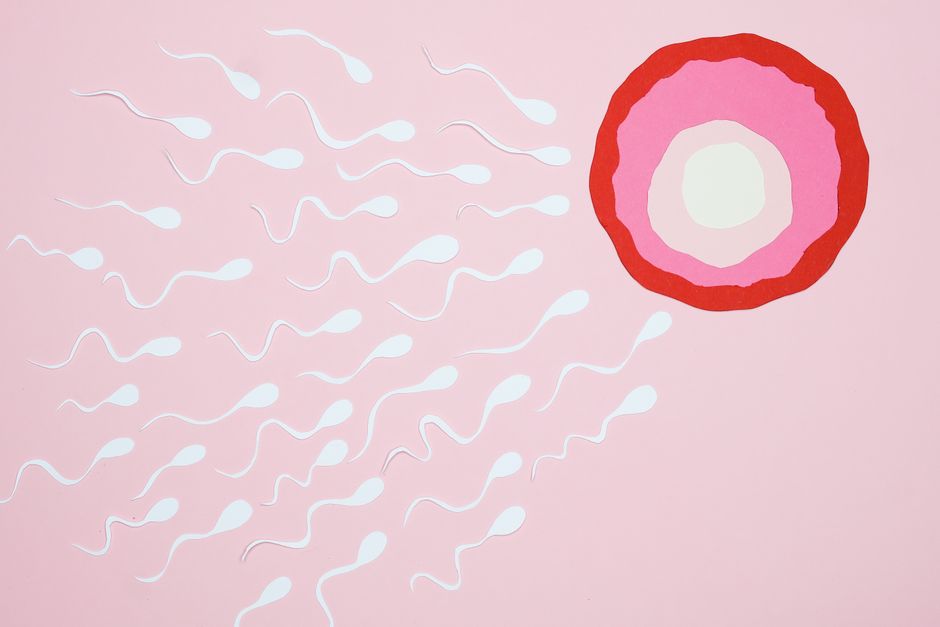
Sperm are far more than simple carriers of genetic material. They are highly specialized cells, and their ability to travel, bind, and fertilize an egg depends on a complex team of proteins. These proteins act as the structural framework, the engine, and the navigation system of the sperm cell. Understanding these key proteins helps explain how conception works and why some fertility issues occur.
What Are The Key Proteins In Sperm And Their Functions?
Several protein groups are essential for sperm to function correctly. Protamines package and protect the DNA. Ion channels like CatSper control sperm movement. Binding proteins on the sperm surface recognize the egg. Enzymes then help the sperm penetrate the egg’s outer layers. Each protein has a specific job, and a problem with any one of them can affect fertility.
Why Are Protamines the Most Abundant Proteins in Sperm?
Protamines are the most plentiful proteins in sperm chromatin. During sperm development, most of the cell’s histones—the proteins that normally package DNA—are replaced with protamines. This swap is critical because it allows the DNA to be packed much more tightly. The sperm nucleus becomes highly condensed, which protects the genetic material during the long journey to the egg.
This tight packing is not just about storage. A normal protamine ratio is essential for the sperm’s DNA to remain stable. Research consistently shows that an abnormal ratio of protamine 1 to protamine 2 is linked to lower fertility. Some studies indicate that men with this imbalance have higher rates of DNA damage in their sperm, which can affect embryo development.
How Does the CatSper Protein Control Sperm Movement?
CatSper is a calcium ion channel found only in the tail of the sperm. It controls the flow of calcium into the cell, which is the master switch for sperm movement. When calcium enters through CatSper, it triggers a change in the tail’s beating pattern. This shift moves the sperm from a progressive swimming motion to a powerful, hyperactivated state.
Hyperactivation is essential for fertilization. It is a vigorous, whiplash-like movement that helps the sperm push through the thick fluids of the female reproductive tract and penetrate the egg’s outer shell. Without a functioning CatSper channel, sperm cannot hyperactivate. Studies in animal models show that males lacking this protein are infertile, even though their sperm may otherwise look normal under a microscope.



What Role Do Surface Binding Proteins Play in Recognizing the Egg?
Fertilization is not a random collision. The sperm and egg must recognize each other through specific protein interactions. On the surface of the sperm head are proteins that bind to receptors on the egg’s outer layer, called the zona pellucida. This binding is highly species-specific—human sperm proteins generally will not bind to a mouse egg.
One key binding protein is ZP3 receptor on the sperm surface. It attaches to a glycoprotein in the zona pellucida. This binding event is the first step in the acrosome reaction. It signals the sperm to release enzymes that allow it to digest a path through the zona pellucida. Without these surface proteins, the sperm simply bounces off the egg.
Why Is the Acrosome Reaction Protein-Dependent?
The acrosome is a cap-like structure at the front of the sperm head. It is essentially a large sac filled with digestive enzymes. The most important of these is hyaluronidase, which breaks down hyaluronic acid in the cumulus cells surrounding the egg. Another key enzyme is acrosin, a protease that helps digest the zona pellucida.
These enzymes are not released until the sperm has successfully bound to the egg. This timing is critical. If the enzymes are released too early, the sperm loses its ability to penetrate the egg. The acrosome reaction must occur at exactly the right moment, triggered by the binding of surface proteins to the zona pellucida. This ensures the sperm uses its enzymatic power only when it is in the right place.
How Do Proteins in the Sperm Tail Generate Energy?
The sperm tail, or flagellum, is a motor. It requires a constant supply of energy to beat and propel the sperm forward. This energy comes from proteins in the mitochondria, which are located in the midpiece of the sperm. The mitochondria generate ATP, the cell’s energy currency, through cellular respiration.
The tail’s movement itself is driven by a protein called dynein. Dynein arms extend between the microtubules inside the tail. By grabbing and pulling on these microtubules, dynein creates the sliding motion that makes the tail bend. This process is highly coordinated. If dynein is defective, the sperm tail cannot move, resulting in immotile sperm. This is seen in certain genetic conditions where men produce sperm that are alive but completely unable to swim.
What Happens When Sperm Proteins Are Defective?
Defects in sperm proteins can cause specific fertility problems. When a sperm cannot move, it is a motility issue. When it cannot bind to the egg, it is a recognition issue. When it cannot release its enzymes, it is an acrosome reaction issue. These are distinct failures at different stages of fertilization.
For example, globozoospermia is a rare condition where men produce sperm with round heads and no acrosome. These sperm cannot penetrate the egg on their own. In these cases, standard IVF often fails, but intracytoplasmic sperm injection (ICSI), where a single sperm is injected directly into the egg, can bypass the problem. This highlights that different protein defects require different medical approaches.
Can Lifestyle Choices Affect Sperm Proteins?
There is growing evidence that lifestyle and environmental factors can influence the quality of sperm proteins. Oxidative stress is a major concern. When reactive oxygen species damage sperm DNA, the protamines that normally protect the DNA can be affected. This can lead to fragmented DNA, which is associated with lower pregnancy rates.
Some research suggests that antioxidant supplements may help reduce DNA damage in sperm. However, the evidence is not conclusive. No large clinical trials have confirmed that any specific supplement reliably improves sperm protein function or fertility outcomes. A balanced diet and avoiding smoking and excessive alcohol remain the most sensible recommendations, but they are not a guarantee against protein-level defects.
Are There Tests for Sperm Protein Function?
A standard semen analysis checks sperm count, motility, and shape. It does not directly test protein function. A man can have a normal semen analysis and still have a protein defect that prevents fertilization. This is why some couples experience unexplained infertility.
More specialized tests can look at DNA fragmentation or the protamine ratio. These are not routine tests. They are often performed in fertility clinics when standard testing does not explain a couple’s infertility. These tests can provide useful information, but they do not cover every protein involved in fertilization. The science of sperm protein testing is still developing.
Frequently Asked Questions
What is the main structural protein in sperm?
The main structural proteins are protamines, which package and protect the DNA in the sperm head. They replace histones to allow for extremely tight DNA packing.
Can sperm proteins be damaged by heat?
Yes, excessive heat in the testicles can increase oxidative stress and damage sperm DNA and proteins. This is why the testicles hang outside the body, keeping sperm about a few degrees cooler than core body temperature.
Do sperm proteins affect the health of the baby?
Sperm DNA quality, which is protected by protamines, can influence embryo development. Some studies suggest a link between high sperm DNA fragmentation and lower pregnancy rates, but the impact on the health of a resulting child is not fully understood.
Are sperm protein defects treatable?
Some are treatable with assisted reproduction. ICSI can bypass problems with sperm binding and the acrosome reaction, but defects in proteins that control tail movement are harder to overcome.
