
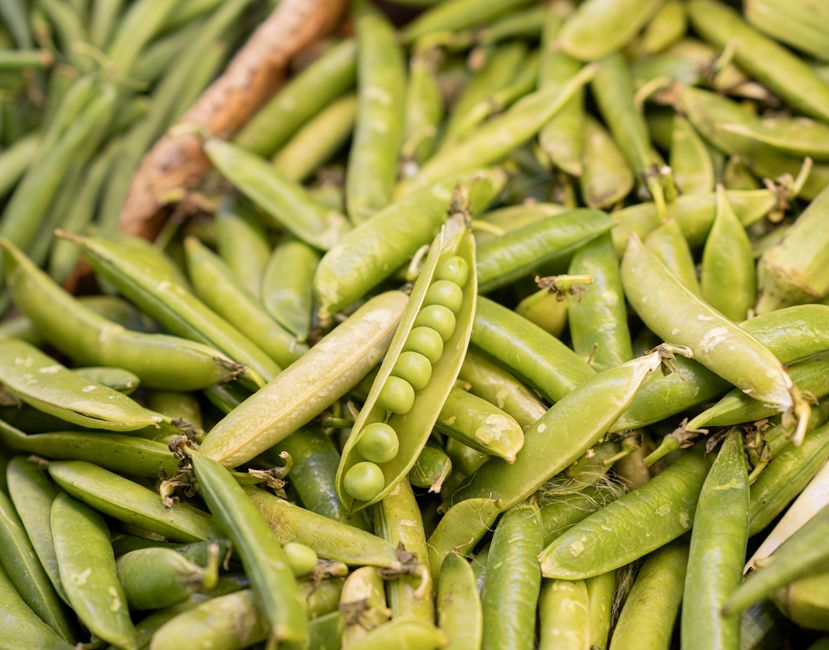
If you are trying to eat more protein without eating more meat, vegetables can help — but they work differently than most people expect. The highest protein vegetables per cooked cup are soybeans (edamame) at roughly 18 grams, green peas at about 8 to 9 grams, and lentils at around 18 grams. Lima beans, chickpeas, and spinach also rank near the top. The catch is portion size: vegetable protein is real protein, but you need to eat more of it to match what a chicken breast or a scoop of whey delivers.
What Are The Highest Protein Vegetables?
Protein content in vegetables is measured per cooked cup, and the range is wide. Some vegetables barely register. Others rival a small serving of meat.
Here is how the top contenders compare using standard USDA nutrient data. Values are approximate because cooking method and water content affect the final number.
| Vegetable (1 cooked cup) | Protein (grams) |
|---|---|
| Soybeans (edamame) | ~18 |
| Lentils | ~18 |
| Green peas | ~8–9 |
| Lima beans | ~7–8 |
| Chickpeas | ~7–8 |
| Spinach (cooked) | ~5 |
| Kale (cooked) | ~2–3 |
| Broccoli | ~3–4 |
| Mushrooms | ~2–3 |
| Potato (with skin) | ~3 |
One clarification matters here. Botanically, green peas, lentils, and beans are seeds, not vegetables. Nutritionally and in everyday cooking, they are grouped with vegetables. That is why they appear on this list. If you are looking strictly at what most people picture as vegetables — broccoli, spinach, carrots — the protein numbers drop fast.
Spinach is the standout among leafy greens, but you would need to eat a very large volume to get meaningful protein from it. A cup of cooked spinach gives you about 5 grams. That is real, but it is not a meal.
How Much Protein Do You Actually Get From Vegetables?
Getting 25 grams of protein from broccoli alone would require eating roughly 7 to 8 cups. From spinach, you would need about 5 cups. That is a lot of volume for most people to eat in one sitting.
This is the honest limitation of vegetable protein. It is not that vegetables lack protein. It is that the concentration is low compared to animal foods or soy.
For context, here is how common protein sources compare per serving:
- 1 cup cooked lentils: ~18 grams
- 1 cup cooked edamame: ~18 grams
- 1 cup cooked green peas: ~8–9 grams
- 3 ounces chicken breast: ~26 grams
- 1 large egg: ~6 grams
- 1 cup cooked quinoa: ~8 grams
If you eat a mixed diet, vegetables contribute meaningfully to your daily total without being the main source. If you eat plant-based, legumes and soy do the heavy lifting. Leafy greens and cruciferous vegetables add to the total but are not protein staples.
Are Vegetable Proteins Complete Proteins?
Most plant proteins are incomplete, meaning they are low in one or more of the nine essential amino acids your body cannot make. Grains tend to be low in lysine. Legumes tend to be low in methionine.
Soy is the exception. Soybeans and edamame are complete proteins — they contain all nine essential amino acids in amounts your body can use efficiently. This is why soy is treated differently from other plant foods in nutrition research.
The old advice about combining complementary proteins at every meal — rice and beans together, for example — has been revised. Current understanding is that your body maintains a pool of amino acids and can combine them across the day. You do not need to eat rice and beans in the same bite to get the benefit.
That said, the total amount and variety of protein you eat across the day still matters. Eating only one plant protein source and nothing else will leave gaps.
Do Vegetables Provide Enough Protein on Their Own?
No. Vegetables alone cannot meet your daily protein needs without eating impractical volumes. This is true even for the highest-protein options.
An adult needs roughly 0.8 grams of protein per kilogram of body weight per day for basic maintenance, according to established dietary reference standards. For a 150-pound person, that is about 54 grams daily. Higher intakes are often recommended for older adults, athletes, and people recovering from illness, though specific targets vary.
To hit 54 grams from lentils alone, you would need about 3 cups. That is possible for some people but not realistic for most. Add vegetables like spinach and broccoli and you add maybe 8 to 10 more grams — helpful, but not enough to close the gap.
Vegetables work best as part of a larger protein strategy, not as the strategy itself.
Which Vegetables Have the Most Protein Per Calorie?
Protein density per calorie is a different question than protein per cup, and the answer changes the ranking.
Spinach, mushrooms, and broccoli deliver more protein per calorie than starchy options like peas and corn. That is because they contain very little carbohydrate and fat. A cup of cooked spinach has about 5 grams of protein and roughly 40 calories. A cup of green peas has about 8 grams of protein but around 130 calories.
If your goal is protein without excess calories, leafy greens and mushrooms are efficient. If your goal is total protein per meal, legumes and soy win.
Both measures are useful. Which one matters depends on what you are trying to do.
Does Cooking Affect Protein in Vegetables?
Cooking does not destroy protein in any meaningful way. Heat denatures protein — it changes its structure — but your digestive system breaks protein down into amino acids regardless. Denatured protein is often easier to digest, not harder.
What cooking does affect is water content. Boiling vegetables adds water and dilutes protein per cup. Roasting and sautéing concentrate it. This is why the same vegetable can show different protein numbers depending on how it is prepared.
Overcooking can reduce certain vitamins, particularly water-soluble ones like vitamin C and some B vitamins. Protein is not the concern here.
Are Canned or Frozen Vegetables as High in Protein?
Frozen vegetables retain protein content well. They are typically blanched and frozen shortly after harvest, which preserves most nutrients. Protein is not significantly affected by freezing.
Canned legumes — chickpeas, lentils, black beans — are a practical option and retain their protein. Rinsing them reduces sodium, which is the main nutritional trade-off with canned goods. The protein itself stays intact.
Dried legumes cooked at home give you the most control over sodium and texture. The protein difference between canned and home-cooked is minimal.
How to Add More Vegetable Protein to Your Day
The practical approach is to treat legumes and soy as your base and use other vegetables to add volume, fiber, and micronutrients.
- Add a cup of edamame or lentils to a salad for 18 grams of protein
- Blend cooked lentils into soups or pasta sauce — they disappear into the texture
- Use green peas as a side instead of rice for a protein bump
- Add chickpeas to roasted vegetable trays
- Include cooked spinach or mushrooms in eggs, stir-fries, or grain bowls
None of these are complicated. The main barrier is habit, not difficulty.
One thing worth knowing: protein from vegetables comes packaged with fiber, which slows digestion and can make you feel full longer. That is a genuine advantage over isolated protein sources, though it also means you may feel full before you have eaten enough protein. If you are relying on vegetables for protein, track your intake for a few days to see where you actually land.
Frequently Asked Questions
Which vegetable has the most protein?
Soybeans (edamame) and lentils are the highest, each providing roughly 18 grams of protein per cooked cup. Both are technically legumes, but they are commonly grouped with vegetables in everyday cooking.
Can I get all my protein from vegetables?
It is very difficult to meet daily protein needs from vegetables alone without eating large volumes. Most people who eat plant-based rely on legumes, soy, grains, nuts, and seeds together, not vegetables by themselves.
Is broccoli a good source of protein?
Broccoli provides about 3 to 4 grams of protein per cooked cup, which is modest. It contributes to your daily total but is not a practical primary protein source.
Are peas a complete protein?
No. Green peas are low in methionine, one of the essential amino acids, so they are not a complete protein on their own. Eating them alongside grains or other plant proteins across the day fills that gap.
