
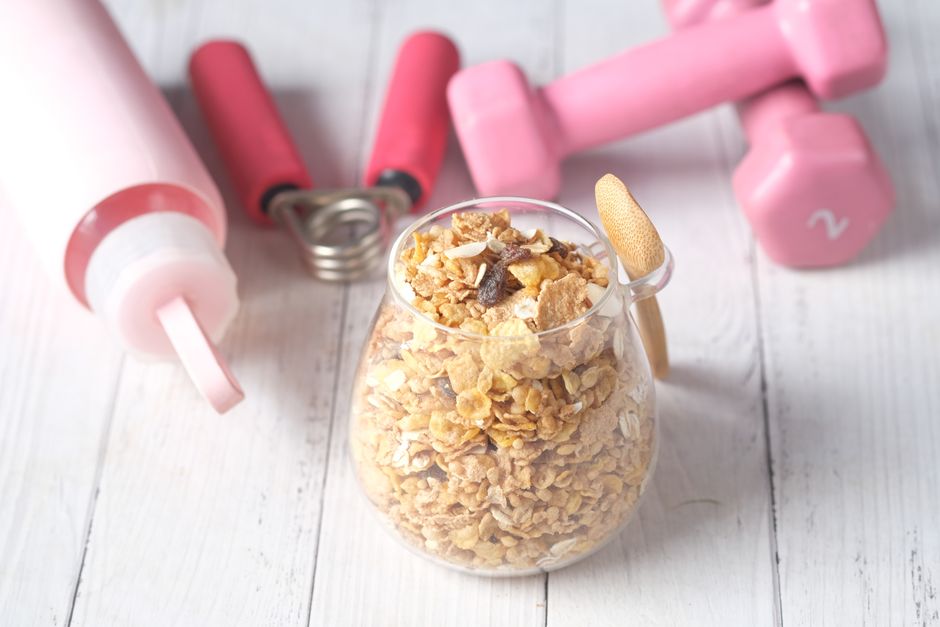
Gaining weight on purpose is not the same as eating more. The foods that help are calorie-dense but still nutritious — they add energy without filling you up so much that you cannot eat enough of them. Good choices include nut butters, whole milk and full-fat dairy, olive and other plant oils, fatty fish, eggs, avocados, dried fruit, whole grains, and starchy vegetables like potatoes. Adding these to meals and snacks, rather than replacing real food with empty calories, is the approach most dietitians take.
Weight gain gets far less attention than weight loss. But plenty of people need to add pounds — after illness, during recovery from surgery, with age-related appetite loss, or simply because their body runs lean. The goal is the same either way: take in more calories than you burn, and do it with food that supports health rather than undermining it.
What Are The Foods To Eat To Gain Weight?
The most useful foods for weight gain pack a lot of calories into a small volume. This matters because the main barrier to gaining weight is usually feeling full before you have eaten enough. Foods that are high in fat and low in water do this best, because fat carries about 9 calories per gram, compared with about 4 calories per gram for both protein and carbohydrate.
Here are the categories that do the most work:
- Nuts and nut butters: Peanut butter, almond butter, and whole nuts are calorie-dense and easy to add to almost anything.
- Full-fat dairy: Whole milk, cheese, and full-fat yogurt add calories and protein together.
- Plant oils: Olive oil, canola oil, and similar oils are almost pure fat. A spoonful stirred into food adds calories without adding bulk.
- Fatty fish: Salmon, mackerel, and sardines provide calories, protein, and omega-3 fats.
- Eggs: Cheap, protein-rich, and easy to cook in ways that add more fat.
- Avocados: High in fat and calories for a fruit.
- Dried fruit: Raisins, dates, and dried apricots concentrate calories because the water has been removed.
- Whole grains and starchy vegetables: Oats, brown rice, potatoes, and sweet potatoes give steady energy and are easy to eat in larger portions.
Notice what is not on that list: soda, candy, and fast food. They will add weight, but mostly as fat, and they crowd out the nutrients your body needs. They also do not help you build or keep muscle. The aim is a calorie surplus built on real food.
Why Do Calorie-Dense Foods Help You Gain Weight?
Weight gain comes down to energy balance. When you consistently take in more calories than your body uses, the extra energy gets stored, and your weight goes up. There is no way around this. The question is how to reach that surplus comfortably.
Many people who struggle to gain weight have a small appetite or feel full quickly. Eating a large volume of low-calorie food — like a big salad or a bowl of broth-based soup — can fill the stomach before enough calories arrive. Calorie-dense foods solve this problem. A handful of nuts or a spoon of peanut butter adds calories without taking up much room.
Protein deserves a specific mention. When you gain weight, you want some of it to be muscle rather than all fat. Protein provides the building blocks for muscle, and research consistently shows that combining adequate protein with resistance training supports muscle gain. The general guidance from nutrition authorities is roughly 0.8 grams of protein per kilogram of body weight per day for most adults, with higher intakes often recommended for people actively building muscle. A dietitian can help you set a target that fits your situation.
How Do You Add Calories Without Feeling Stuffed?
The practical trick is to add calories to food you already eat, rather than sitting down to bigger meals. Small additions spread across the day are easier on a small appetite than one large plate.
Some simple ways to do this:
- Stir a spoonful of olive oil or butter into cooked vegetables, rice, or pasta.
- Add a scoop of nut butter to oatmeal, smoothies, or toast.
- Use whole milk instead of water when making oatmeal or a smoothie.
- Sprinkle cheese on eggs, chili, or soup.
- Add dried fruit and nuts to yogurt or cereal.
- Drink calories between meals — a smoothie with milk, banana, and peanut butter — rather than filling up on water right before eating.
Liquids are a quiet advantage here. Drinking calories does not trigger the same fullness signals as chewing solid food, so a smoothie or a glass of whole milk between meals can add energy without reducing how much you eat at your next meal. That said, liquid calories should add to your meals, not replace them.





Should You Eat More Often or Eat Bigger Meals?
For most people trying to gain weight, eating more often works better than forcing larger portions. If your appetite is small, five or six smaller eating occasions across the day are easier to manage than three heavy meals.
This does not mean constant snacking on junk. It means planned, calorie-dense additions — a mid-morning snack of nuts and dried fruit, an afternoon smoothie, a bedtime bowl of full-fat yogurt with granola. The total across the day is what counts.
Some people find that eating by the clock helps, rather than waiting to feel hungry. If appetite is low, hunger may not arrive on its own. Setting regular times to eat, even when you do not feel like it, can keep the calorie surplus steady. This is a common approach in clinical settings where people need to regain weight after illness, though individual needs vary and a doctor or dietitian should guide you if you are recovering from a medical condition.
What About Protein Powders and Weight Gain Shakes?
Protein powders and commercial weight-gain shakes are popular, but they are not required. Whole foods do the job well and come with fiber, vitamins, and minerals that a powder may lack.
That said, there is a place for them. If you genuinely cannot eat enough solid food — because of a small appetite, a medical condition, or difficulty chewing or swallowing — a liquid supplement can help. Some clinicians recommend them for people recovering from illness or surgery. The evidence for these products is strongest in clinical settings where malnutrition is a concern, and weaker for healthy people who simply want to add a few pounds. In that case, homemade smoothies made with whole milk, nut butter, and fruit are usually just as effective and more nutritious.
Be cautious with heavily marketed “mass gainer” products aimed at bodybuilders. They are often high in sugar and low in real nutrients. Read the label rather than the front of the package.
Do You Need to Exercise to Gain Weight Healthily?
Yes, if you want the weight you gain to include muscle. Without resistance training, a calorie surplus tends to add mostly fat. With it, some of the extra energy goes toward building muscle.
Resistance training means working your muscles against a force — lifting weights, using resistance bands, or doing bodyweight exercises like push-ups and squats. The combination of a calorie surplus, adequate protein, and resistance exercise is the approach most supported by research for gaining lean mass rather than fat alone. The exact program matters less than consistency.
If you are gaining weight for medical reasons, talk to your doctor before starting a new exercise routine, especially after illness or surgery.
What Should You Be Careful About When Gaining Weight?
Gaining weight is generally safe for healthy adults, but the quality of the food matters. A surplus built on refined sugar, fried food, and soda raises the risk of the same health problems linked to any poor diet, regardless of your weight.
If you are gaining weight because of a medical condition — unintentional weight loss, difficulty eating, or a digestive disorder — see a doctor first. Unexplained weight loss can be a sign of an underlying problem and should be checked rather than managed with diet alone. This is one of the cases where the cause matters more than the calories.
Some people also gain weight as a side effect of medication. If that is your situation, do not stop or change a medication on your own. Talk to your prescriber.
Frequently Asked Questions
What foods help you gain weight fast?
Nut butters, whole milk, cheese, olive oil, nuts, dried fruit, and avocados add calories quickly because they are dense in fat and low in water. No single food makes weight gain fast — a steady calorie surplus over weeks is what moves the number on the scale.
Can you gain weight without eating junk food?
Yes. Whole foods like nuts, full-fat dairy, oily fish, eggs, and plant oils are calorie-dense and nutritious. Building your surplus on these foods supports health rather than undermining it.
How much protein do you need to gain muscle?
General guidance for most adults is about 0.8 grams of protein per kilogram of body weight per day, and higher intakes are often recommended for people actively building muscle. A dietitian can set a target that fits your body and goals.
Are weight gain shakes necessary?
No. Whole foods and homemade smoothies usually work just as well for healthy people. Commercial shakes can help when eating solid food is difficult, but they are not required.
