
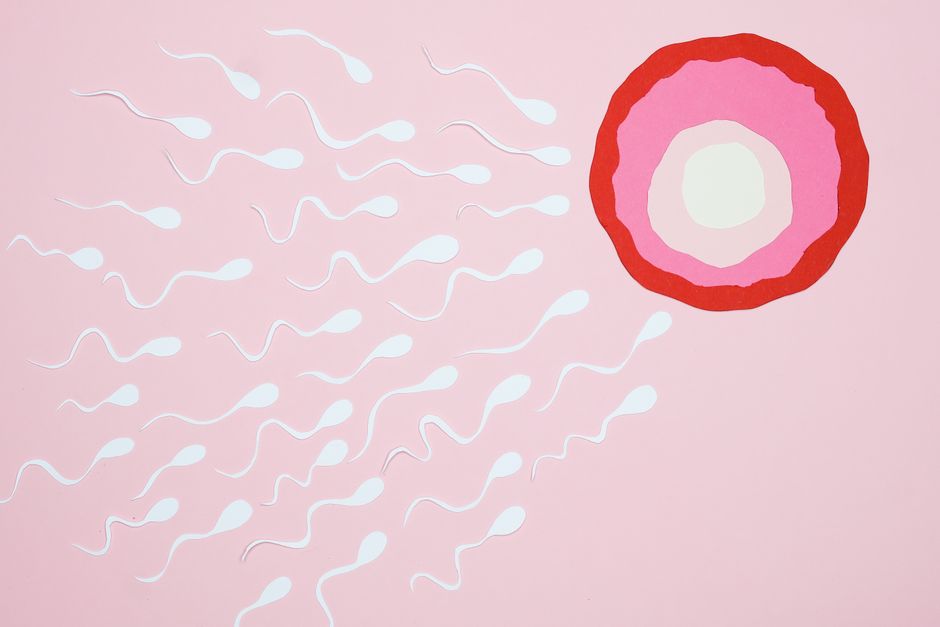
Human sperm are not all the same. Ejaculated semen contains a mix of sperm with different shapes, sizes, and movement patterns, and scientists have classified these into a few broad categories. Most sperm are built for one job — swimming toward and penetrating an egg — but a meaningful share don’t fit that mold. Understanding these types matters because sperm shape and movement are two of the main things a semen analysis measures when checking male fertility.
What Are The Different Types Of Sperm? Key Facts
Sperm are classified mainly by two features: how they are built (morphology) and how they move (motility). On a standard semen analysis, sperm fall into categories like normal, abnormal-shaped, motile, non-motile, and live versus dead. Researchers also describe a few less common types, including so-called “sperm with abnormal DNA” and unusual tail or head defects.
It helps to start with the basic anatomy. A sperm cell has three main parts:
- Head — carries the genetic material (DNA) and is capped by the acrosome, a structure that helps the sperm break into the egg.
- Midpiece — packed with mitochondria that supply energy for swimming.
- Tail (flagellum) — the propeller that drives forward movement.
When any of these parts is malformed, the sperm is classified as abnormal in shape. When the tail doesn’t work properly, movement suffers. These two problems are the core of how sperm are sorted into types.
How Do Scientists Classify Sperm Types?
Classification rests on what a lab can see under a microscope and measure directly. The two dominant frameworks are morphology (shape) and motility (movement).
By shape (morphology): A sperm is called normal if its head is oval, its midpiece is straight and slender, and its tail is single, regular, and uncoiled. Anything outside those parameters is termed a morphological defect. The most widely referenced strict criteria for normal sperm shape come from the World Health Organization, which publishes laboratory guidance for semen analysis.
By movement (motility): Sperm are graded as progressively motile (swimming forward), non-progressively motile (moving but not forward), or immotile (not moving). Labs also distinguish live sperm from dead sperm using a dye test, because an immotile sperm is not necessarily dead.
There is a third layer researchers study but don’t routinely test in a standard semen analysis: DNA integrity. A sperm can look perfectly normal and swim well yet carry fragmented or damaged DNA. This is measured in research and specialty settings, not in a typical fertility workup.
What Does a Normal Sperm Look Like?
A normal sperm has an oval head, a straight midpiece, and a single long tail. It is the textbook shape you see in diagrams, and it is the shape labs score as “normal morphology.”
Here is a fact that surprises many people: in a fertile man, a large share of sperm are not perfectly shaped. Strict morphology scoring is demanding, and only a minority of sperm in a typical ejaculate meet the strict normal criteria. That is why morphology is judged as a percentage, not as an all-or-nothing pass or fail. A low percentage of normal-shaped sperm does not by itself mean infertility — it is one data point interpreted alongside count, movement, and the partner’s health.
The WHO reference value for normal morphology is a minimum of 4 percent normal forms under strict criteria. This is a reference threshold, not a guarantee of fertility, and men below it can still conceive. Some clinicians view strict morphology as a weaker predictor of fertility than sperm count and motility, and the evidence on exactly how much shape alone matters is mixed.
What Are the Main Abnormal Sperm Shapes?
Abnormal morphology is usually described by which part of the sperm is affected. The main categories are head defects, midpiece defects, and tail defects. Many abnormal sperm have problems in more than one region.
- Head defects — a head that is too large, too small, tapered, round, or double-headed. Problems with the acrosome also fall here.
- Midpiece defects — a bent, thickened, or irregular midpiece, which can affect the energy supply for swimming.
- Tail defects — a short, coiled, double, or absent tail, which impairs movement.
- Cytoplasmic droplets — leftover material around the midpiece that is normal in immature sperm but abnormal if retained in mature sperm.
These defects can arise from many causes, including genetic factors, varicocele (enlarged veins in the scrotum), infections, heat exposure, and certain medications or toxins. Often no specific cause is found. Abnormal shape does not automatically mean the sperm cannot fertilize an egg, but a high proportion of defects is associated with lower fertility potential.
What Is the Difference Between Motile and Non-Motile Sperm?
Motility is about movement, and it is one of the strongest single predictors of fertility in a semen analysis. Sperm must swim through the cervix, uterus, and fallopian tubes to reach the egg, so forward movement is essential.
Labs grade motility in tiers:
- Progressive motility — sperm swimming actively in a forward direction. This is the most important category.
- Non-progressive motility — sperm moving their tails but not traveling forward, or swimming in circles.
- Immotility — no movement at all.
The WHO reference value for total motility is 40 percent or more, and for progressive motility 32 percent or more. These are lower bounds of what is seen in men who have fathered children, not a dividing line between fertile and infertile.
An important distinction: an immotile sperm is not necessarily dead. Some sperm are alive but unable to move because of structural or energy problems. A vitality test (often a dye exclusion test) tells the lab whether immotile sperm are alive or dead, which matters for treatments like IVF where immotile but living sperm may still be usable.
Are There Other Sperm Types Worth Knowing About?
Beyond the standard categories, a few other descriptions come up in research and clinical discussion.
Sperm with DNA fragmentation. This refers to breaks in the sperm’s DNA. It is not visible under a normal microscope and requires specialized testing. Some studies suggest elevated DNA fragmentation is associated with lower natural pregnancy rates and poorer outcomes in some fertility treatments, but the evidence is not uniform and the clinical threshold for concern is debated. It is an active area of research, not a routine test.
Globozoospermia. A rare condition in which sperm have round heads and lack the acrosome, the structure needed to penetrate an egg. It is uncommon and usually identified during fertility evaluation.
Teratospermia. This is not a single type of sperm but a label for a semen sample where a high percentage of sperm have abnormal shapes. Similarly, oligospermia refers to low sperm count and asthenospermia to poor motility — these describe the sample, not an individual sperm.
One clarification worth making: the popular idea that there are distinct “male” and “female” sperm types that can be separated to choose a baby’s sex is oversimplified. Sperm carrying an X or Y chromosome differ genetically, but they are not reliably distinguishable by shape or swimming speed, and at-home “gender selection” methods are not supported by solid evidence.
Why Do Sperm Types Matter for Fertility?
Sperm type matters because the mix of shapes and movement patterns in a sample tells clinicians how well the reproductive system is producing and maturing sperm. A semen analysis reports count, motility, morphology, and volume together, and no single number stands alone.
Abnormal findings can point toward underlying causes worth investigating — hormonal problems, varicocele, infection, or lifestyle and environmental exposures. Some causes are treatable and some are not. Importantly, a poor result on one semen analysis is not definitive; sperm production varies, and clinicians often repeat the test before drawing conclusions. Because sperm take roughly two to three months to mature, changes in lifestyle or treatment usually take about that long to show up in a new sample.
For anyone concerned about fertility, the honest position is that a semen analysis is a starting point, not a verdict. It guides the next steps, which a doctor can tailor to the individual.
Frequently Asked Questions
How many types of sperm are there?
Sperm are grouped into a few broad categories based on shape and movement — mainly normal, abnormal-shaped, motile, and non-motile. Within those, labs describe specific defects of the head, midpiece, and tail.
Can abnormal sperm still fertilize an egg?
Yes, sometimes. Many men with a high percentage of abnormally shaped sperm still conceive naturally, because morphology is only one factor among several.
What percentage of normal sperm is required for fertility?
The WHO reference value is at least 4 percent normal forms under strict criteria. This is a reference threshold, not a guarantee, and men below it can still father children.
Is immotile sperm always dead?
No. Some immotile sperm are alive but cannot move, which is why labs sometimes run a vitality test to tell the difference.
