
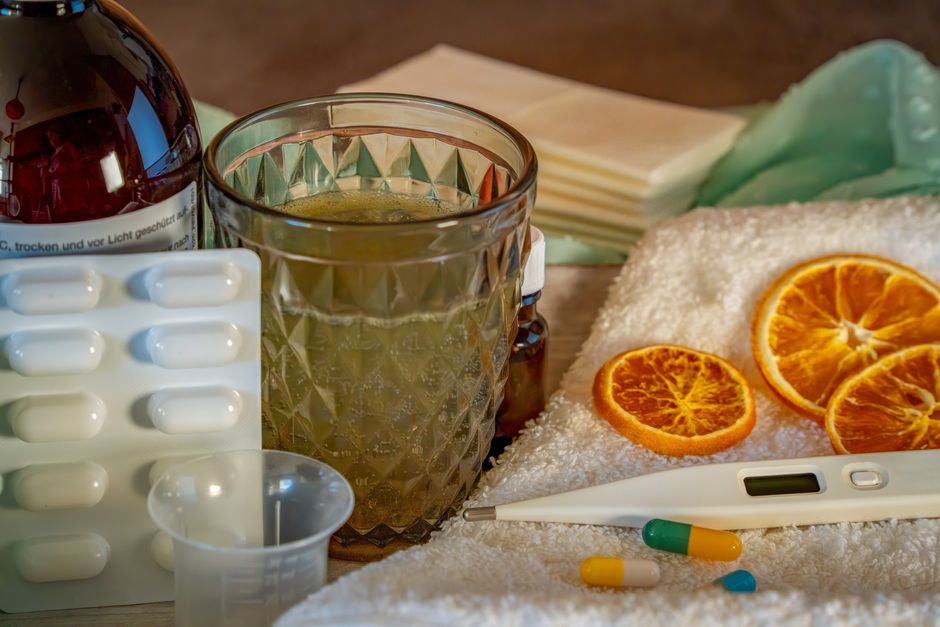
When you are sick, your body needs energy, fluid, and nutrients at a time when you may not feel like eating at all. The best foods to eat when sick are easy to digest, provide fluid and electrolytes, and deliver energy without demanding much work from your gut. Think broths, plain grains, soft fruits, cooked vegetables, and lean protein — plus plenty of water.
There is no single miracle food that fights infection. What you eat during illness supports your body while your immune system does the actual work. The right choices help you stay hydrated, maintain strength, and avoid making symptoms worse.
What Are The Best Foods To Eat When Sick?
The best foods when you are sick are the ones you can actually get down and keep down. Appetite often drops during illness, so forcing a “perfect” diet matters less than staying fed and hydrated with gentle, nourishing options.
Several categories earn their place during common illness:
- Clear broths and soups. These provide fluid, some electrolytes, and warmth. Chicken soup is a traditional choice; the evidence that it directly fights infection is limited, but it is hydrating and easy to tolerate.
- Plain grains. Rice, oatmeal, toast, and crackers are bland, easy to digest, and supply carbohydrates for energy.
- Soft fruits. Bananas, applesauce, and cooked or canned fruit are gentle on the stomach and provide potassium and carbohydrates.
- Cooked vegetables. Well-cooked carrots, squash, and potatoes are easier to digest than raw vegetables and still provide vitamins.
- Lean protein. Eggs, poultry, fish, and tofu support the body’s needs, though you may want them plainly prepared when nauseated.
- Fluids. Water, broth, and oral rehydration solutions when you have vomiting or diarrhea.
This list overlaps with what clinicians sometimes call the BRAT approach — bananas, rice, applesauce, toast — which is commonly suggested for stomach upset. It is a reasonable starting point, though it is not a complete diet and should not be followed long-term without adding protein and other nutrients.
Why Does Your Body Need Different Foods When You Are Sick?
Illness changes how your body uses energy and fluid. A fever raises your metabolic rate, meaning you burn more calories even at rest. Your body also loses more water through sweating and, with certain illnesses, through vomiting or diarrhea.
When you have an infection, your immune system ramps up. That response costs energy and nutrients. Protein helps maintain muscle and supports immune function. Carbohydrates provide readily available fuel. Fluids and electrolytes replace what is lost.
Digestion itself can slow or become uncomfortable during illness. Bland, low-fat, low-fiber foods are often easier to tolerate than rich, spicy, or heavy meals. This is why plain foods tend to feel better when you are unwell — not because they are magic, but because they are gentle.
What Should You Eat If You Have a Fever or Cold?
With a fever or a cold, the priorities are fluid and steady energy. Fever increases fluid loss, so drinking regularly matters. Warm liquids can also soothe a sore throat.
Good choices include warm broth, tea, water, and soups. Soft foods like oatmeal, mashed potatoes, and scrambled eggs are easy to eat when your appetite is low. Citrus and other vitamin C sources are fine, but no strong evidence shows that loading up on vitamin C shortens a cold once it has started. Some studies suggest regular vitamin C intake may slightly reduce cold duration, but results vary and it is not a treatment.
Avoid alcohol, which worsens dehydration, and limit very sugary drinks, which can upset the stomach without much nutritional benefit.
What Should You Eat If You Have Nausea, Vomiting, or Diarrhea?
When your stomach is upset, the goal shifts to replacing fluid and electrolytes and eating small amounts of bland food. Dehydration is the main concern with vomiting and diarrhea, especially in children and older adults.
Oral rehydration solutions are designed to replace water and electrolytes in the right balance. They are more effective than water alone or sports drinks for significant fluid loss, according to established guidance. Plain water is fine for mild cases; for heavier losses, a rehydration solution is the better choice.
Eat small amounts more often rather than large meals. Bland foods like crackers, rice, bananas, and toast are usually well tolerated. Avoid dairy, fatty foods, spicy foods, and alcohol until you feel better, as these can worsen diarrhea in some people.
Seek medical care if vomiting or diarrhea is severe, lasts more than a couple of days, or is accompanied by signs of dehydration such as dizziness, dark urine, or confusion. In young children and older adults, dehydration can progress quickly.
Do You Need Supplements or Special Foods When Sick?
For most people with a common short-term illness, food and fluids are enough. Supplements are not a substitute for eating and drinking, and the evidence for most “immune-boosting” products is weak.
Zinc lozenges have some evidence for shortening cold duration when taken early, but results are mixed and high doses can cause nausea and other side effects. Vitamin C does not reliably prevent or cure colds. No supplement has been shown to reliably cure viral infections.
If you cannot eat for an extended period, have a chronic condition, or are losing weight, talk to a clinician. Prolonged poor intake during illness can matter, particularly for older adults and people with existing health problems.
How Do You Stay Hydrated When You Are Sick?
Hydration is the single most important thing to manage during most illnesses. Drink small amounts frequently rather than large amounts at once, especially if you feel nauseated.
Watch for signs of dehydration: thirst, dark yellow urine, dry mouth, fatigue, and dizziness. These are early warnings. Confusion or very little urine output are more serious and warrant medical attention.
Water is the default. Broth, herbal tea, and diluted juice add variety. For significant fluid loss from vomiting or diarrhea, use an oral rehydration solution. Avoid alcohol and limit caffeine, both of which increase fluid loss.
What Foods Should You Avoid When Sick?
Some foods tend to make symptoms worse or are harder to tolerate during illness. Avoiding them is not about strict rules — it is about giving your body less to manage while it recovers.
- Alcohol. Worsens dehydration and can interfere with recovery.
- Very fatty or fried foods. Harder to digest and can worsen nausea.
- Spicy foods. May irritate the stomach or a sore throat.
- Excess sugar. Adds calories without much benefit and can upset the stomach.
- Dairy. Not universally a problem, but some people find it worsens diarrhea or congestion; the evidence on congestion is limited.
These are general guidelines. If a food does not bother you, you do not need to avoid it. Listen to your body and adjust.
When Should You See a Doctor About Not Being Able to Eat?
Most short-term illnesses resolve on their own and do not require medical care. But some signs warrant a call to a clinician.
See a doctor if you cannot keep fluids down for more than a day, have signs of dehydration that do not improve, run a high fever, have severe abdominal pain, or if symptoms last more than a few days without improvement. In infants, young children, and older adults, seek care sooner because dehydration and complications can develop faster.
If you have a chronic illness, take medications that affect appetite or hydration, or are losing weight, discuss your situation with a clinician rather than relying on general food advice alone.
Frequently Asked Questions
What is the best food to eat when you have a cold?
Warm broth, soups, and soft foods like oatmeal are good choices because they provide fluid and energy and are easy to tolerate. No single food cures a cold, so focus on staying hydrated and eating what you can manage.
Should you eat bananas when you have diarrhea?
Bananas are a reasonable choice because they are bland and provide potassium, which can be lost with diarrhea. They are part of the commonly suggested BRAT diet, though you should also replace fluids and electrolytes with an oral rehydration solution if losses are significant.
Does chicken soup really help when you are sick?
Chicken soup is hydrating and easy to eat, and warm liquids can soothe a sore throat. The evidence that it directly fights infection is limited, so treat it as a comforting, hydrating food rather than a treatment.
What should you drink when you are sick?
Water is the default, and broth or herbal tea adds variety. For significant fluid loss from vomiting or diarrhea, an oral rehydration solution replaces water and electrolytes more effectively than water alone.
