
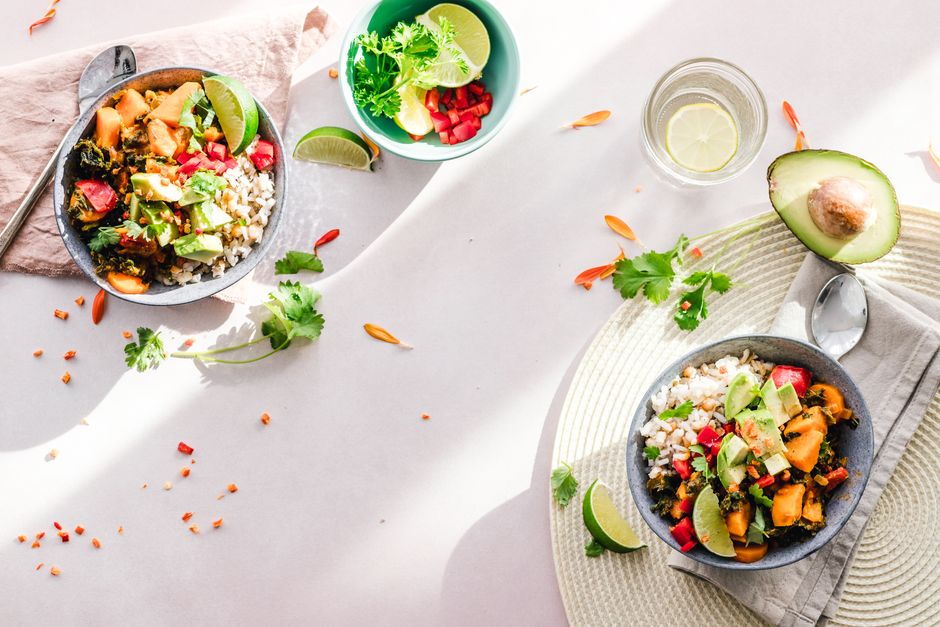
Carbohydrates are not one food. They are a broad category that includes everything from lentils to lollipops, and the differences between them matter more than the total amount for most people. The best carbs to eat are minimally processed ones: vegetables, whole fruits, legumes, and intact whole grains like oats, barley, and brown rice. These foods deliver fiber, vitamins, minerals, and slow-releasing energy. Refined carbs — white bread, sugary drinks, most packaged snacks — are stripped of those benefits and are the ones worth limiting.
What Actually Makes a Carb “Good” or “Bad”?
Nutrition researchers rarely judge a carb by its name alone. They look at three things: how much fiber it carries, how fast it raises blood sugar, and what else comes packaged with it.
A whole apple and a glass of apple juice contain similar amounts of sugar. The apple has fiber, water, and a structure that slows digestion. The juice has almost none of that. Your body handles them differently even though the label “carbohydrate” applies to both.
Fiber is the clearest dividing line. Most adults in the US fall short of the recommended daily fiber intake, which is roughly 25 to 30 grams depending on age and sex according to federal dietary guidelines. Whole carbs are the main way to close that gap. Refined carbs contribute almost nothing.
The second factor is processing. When a grain is stripped of its bran and germ — as happens with white flour — it loses most of its fiber, B vitamins, and healthy fats. Some of these nutrients get added back through enrichment, but fiber is not one of them.
What Are The Best Carbs To Eat?
The strongest evidence points to four groups: non-starchy vegetables, whole fruits, legumes, and whole grains. Each brings something the others do not.
- Non-starchy vegetables — leafy greens, broccoli, peppers, tomatoes, carrots. Low in calories, high in fiber and micronutrients.
- Whole fruits — berries, apples, oranges, bananas, pears. Naturally packaged with fiber and water.
- Legumes — beans, lentils, chickpeas, split peas. Among the highest-fiber carb sources available.
- Whole grains — oats, barley, quinoa, brown rice, whole wheat, farro. Intact kernels and minimally milled forms retain more of their original structure.
Starchy vegetables like potatoes and corn also count. They are not the problem people sometimes make them out to be. A baked potato with the skin is a decent source of potassium and fiber. The issue is usually what gets added — butter, sour cream, frying oil — or the portion size.
Why Fiber Matters More Than the Carb Itself
Fiber is the single most useful marker of a good carb. It slows the release of glucose into the bloodstream, feeds beneficial gut bacteria, and helps with satiety.
Soluble fiber — found in oats, barley, beans, and apples — forms a gel in the gut that slows digestion. Some research indicates it can modestly lower LDL cholesterol. Insoluble fiber — found in wheat bran, nuts, and many vegetables — adds bulk and helps move food through the digestive tract.
Most people get far less fiber than they need. Adding a cup of beans, a bowl of oats, or a few servings of vegetables daily can move the needle without any dramatic diet overhaul. Increase fiber gradually and drink enough water, or you may notice bloating in the first week or two.
What About the Glycemic Index?
The glycemic index ranks foods by how quickly they raise blood sugar. It sounds like a clean way to pick carbs, but it has real limits.
A food’s GI score changes depending on how it is cooked, what it is eaten with, and the individual eating it. Watermelon has a high GI score, but a typical serving contains so little carbohydrate that its actual effect on blood sugar is small. That distinction is called glycemic load, and it is more useful than GI alone for most people.
For people with diabetes, paying attention to glycemic load can help with blood sugar management. For everyone else, the evidence that tracking GI scores improves health outcomes is limited. Eating more whole carbs and fewer refined ones accomplishes much of the same goal without the math.
Are Refined Carbs Always Bad?
No food is off-limits, but refined carbs are worth limiting for most people. The pattern matters more than any single meal.
White rice, white bread, and sugary cereals digest quickly. They raise blood sugar fast and do not keep you full for long. Diets high in these foods are consistently linked in observational research to higher rates of type 2 diabetes and heart disease, though these studies cannot prove cause and effect on their own.
Some refined carbs have a place. White rice is easier on the digestive system for people with certain gut conditions. Plain white bread or crackers can help settle nausea. Athletes doing intense training sometimes use fast-digesting carbs around workouts on purpose. Context changes the calculation.
The practical target is not elimination. It is making whole carbs the default and refined ones the exception.
How Do Whole Grains Compare to Refined Grains?
The difference comes down to what survives processing. Here is how common options stack up per typical cooked serving, based on USDA data.
| Food (1 cup cooked) | Fiber (g) | Notes |
|---|---|---|
| Brown rice | ~3.5 | Retains bran and germ |
| White rice | ~0.6 | Bran and germ removed |
| Oatmeal (cooked) | ~4 | High in soluble fiber |
| Quinoa | ~5 | Also a complete protein source |
| Barley (pearl, cooked) | ~6 | One of the highest-fiber grains |
| Lentils | ~15 | Technically a legume, not a grain |
| Black beans | ~15 | High fiber and plant protein |
The gap is not subtle. Swapping white rice for brown rice, or adding a half-cup of beans to a meal, changes the fiber content dramatically. Legumes outperform most grains on this measure by a wide margin.
Do You Need Carbs at All?
You do not need to eat carbs to survive. The body can make glucose from other sources, and low-carb diets have been studied extensively. But “can” and “should” are different questions.
Carbohydrates are the body’s preferred quick fuel, especially for the brain and for high-intensity exercise. People who cut carbs very low often report initial fatigue, headaches, and constipation, though these usually fade as the body adapts.
The evidence on low-carb versus moderate-carb diets for long-term health is mixed. Some trials show short-term weight loss advantages for low-carb approaches. Over longer periods, the differences tend to shrink, and adherence becomes the biggest factor. A diet someone can stick with generally beats one they cannot, regardless of macronutrient ratios.
Whole-food carb sources fit comfortably into most eating patterns. The Mediterranean-style diets studied for heart health, for example, include plenty of whole grains, beans, and vegetables.
How to Add Better Carbs Without Overhauling Your Diet
Small substitutions add up faster than most people expect. Try one or two at a time.
- Swap white rice for brown rice or a half-rice, half-quinoa mix.
- Add a half-cup of beans or lentils to soups, salads, or grain bowls.
- Choose whole grain bread with at least 3 grams of fiber per slice.
- Keep fruit visible and easy to grab instead of chips or crackers.
- Start the day with oats instead of a sugary cereal.
Reading labels helps, but the simplest rule is this: if the ingredient list is short and recognizable, it is probably a better carb choice than something with fifteen ingredients you cannot pronounce.
Frequently Asked Questions
Are potatoes a good carb?
Yes, potatoes are a legitimate carb source with potassium, vitamin C, and fiber when eaten with the skin. How you prepare them matters more than the potato itself — baked or boiled is very different from deep-fried.
Is fruit sugar bad for you?
No, the sugar in whole fruit is not a health concern for most people because it comes packaged with fiber and water that slow absorption. Fruit juice and dried fruit are more concentrated and easier to overconsume.
What is the healthiest carb for weight loss?
There is no single best carb for weight loss, but high-fiber options like beans, lentils, and oats tend to keep you full longer, which helps with appetite control. Total calorie intake still matters most.
Do I need to avoid carbs at night?
No, eating carbs in the evening does not inherently cause weight gain. Total daily intake and overall diet quality are what matter, not the clock.
