
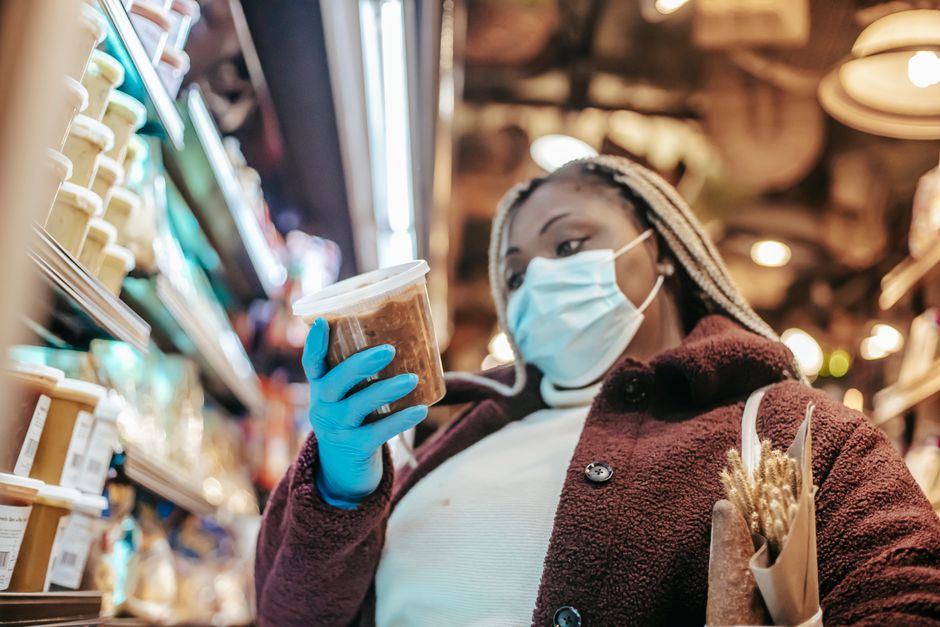
Most people worry about food poisoning from a restaurant or a recalled product. The truth is that the hazards behind foodborne illness fall into four clear groups, and knowing them changes how you handle food at home. The four types of food safety hazards are biological, chemical, physical, and allergenic. Each one causes harm in a different way, and each one needs a different response.
What Are the 4 Types of Food Safety Hazards?
Food safety hazards are grouped by what causes the harm. Biological hazards involve living organisms. Chemical hazards involve harmful substances. Physical hazards involve foreign objects. Allergenic hazards involve proteins that trigger immune reactions in sensitive people.
This framework comes from food safety systems used worldwide, including the hazard analysis approach that food producers and regulators rely on. The four categories help inspectors, manufacturers, and home cooks think about risk in an organized way.
Here is a quick comparison of how each type works:
| Hazard Type | What Causes Harm | Common Examples |
|---|---|---|
| Biological | Bacteria, viruses, parasites, molds | Salmonella, norovirus, Listeria |
| Chemical | Toxins, pesticides, cleaning agents, metals | Unwashed produce residue, undiluted cleaners |
| Physical | Hard or sharp foreign objects | Glass, metal fragments, bones, plastic |
| Allergenic | Proteins that trigger immune response | Peanuts, shellfish, milk, eggs, wheat, soy |
One clarification worth making: allergenic hazards are sometimes folded into chemical hazards because both involve a substance rather than a living organism. But the mechanism is different. An allergy is an immune system reaction to a protein, not a toxic effect. Treating it as its own category reflects how serious and how distinct the risk is.
What Are Biological Hazards and Why Are They the Biggest Concern?
Biological hazards cause the majority of foodborne illness. Bacteria, viruses, parasites, and the toxins some of them produce are responsible for most cases of food poisoning.
Bacteria like Salmonella, E. coli, and Listeria can multiply rapidly in food left in the temperature range between 40°F and 140°F. That range is often called the danger zone. In the right conditions, bacterial numbers can double in as little as 20 minutes. This is why leaving potato salad out at a summer picnic for hours is riskier than most people assume.
Viruses work differently. Norovirus, one of the most common causes of foodborne illness, does not multiply in food. It spreads when an infected person handles food without proper handwashing. The virus then enters the body when someone eats the contaminated food. Hepatitis A spreads the same way.
Parasites such as Toxoplasma and Trichinella are less common in the US but still present. They are typically associated with undercooked meat or contaminated water.
Some bacteria produce toxins that are not destroyed by cooking. Staphylococcus aureus can produce a toxin in food that survives normal reheating. This means food that was left out and then reheated may still make you sick even though the bacteria themselves are dead.
Prevention focuses on temperature control, handwashing, and avoiding cross-contamination between raw meat and ready-to-eat foods.
What Are Chemical Hazards in Food?
Chemical hazards are harmful substances that get into food. They can occur naturally, form during cooking or processing, or be introduced accidentally.
Naturally occurring chemicals include mycotoxins, which are produced by certain molds that grow on grains, nuts, and dried fruits. Aflatoxin, one of these mycotoxins, is a known liver carcinogen and is monitored in the food supply. Some mushrooms produce toxins that are not destroyed by cooking.
Chemicals that form during cooking or processing are another category. Polycyclic aromatic hydrocarbons can form when meat is grilled over high heat or cooked directly over a flame. Acrylamide forms in starchy foods like potatoes and bread when they are cooked at high temperatures. These are areas of ongoing research, and regulatory agencies monitor them, but the evidence on health effects at typical dietary levels is still developing.
Accidental chemical contamination happens when cleaning products, pesticides, or industrial chemicals get into food. This can occur when cleaners are stored in unlabeled containers, when produce is not washed, or when equipment is not properly rinsed after sanitizing.
Some chemicals leach from packaging materials. Bisphenol A (BPA) is one example that has received attention. Regulatory agencies have assessed BPA and set limits on its use in food-contact materials, though research continues.
Prevention means storing chemicals away from food, rinsing produce, and following label instructions for cleaning products.
What Are Physical Hazards in Food?
Physical hazards are foreign objects that can cause injury. They include hard or sharp items that can cut, choke, or damage teeth.
Common physical hazards include:
- Glass fragments from broken containers
- Metal shavings from worn equipment
- Bones or bone fragments in fish and poultry
- Plastic pieces from packaging
- Stones or pits in produce
- Jewelry or hair from food handlers
These hazards are usually the result of accidents during processing, packaging, or preparation. A piece of wire from a grill brush, for instance, can end up in food and cause serious injury if swallowed.
Physical hazards are less likely to cause widespread illness than biological hazards, but they can cause individual harm that is severe. Choking, internal cuts, and dental damage are all possible.
Prevention focuses on inspection and good manufacturing practices. At home, it means checking food before serving and keeping small hard objects away from preparation areas.
What Are Allergenic Hazards and Why Do They Matter?
Allergenic hazards are proteins that trigger an immune response in people with food allergies. For sensitive individuals, even trace amounts can cause a reaction.
In the US, nine major allergens account for most food allergy cases: milk, eggs, fish, shellfish, tree nuts, peanuts, wheat, soybeans, and sesame. Sesame was added to the list in 2021 under the Food Allergy Safety, Treatment, Education, and Research Act.
Allergic reactions range from mild hives to life-threatening anaphylaxis. Anaphylaxis is a medical emergency that requires immediate treatment with epinephrine.
The challenge with allergenic hazards is cross-contact. This happens when a food that does not contain an allergen comes into contact with one that does. Using the same cutting board for peanuts and then for vegetables, or using the same fryer oil for shrimp and then for french fries, can transfer enough protein to trigger a reaction in some people.
Cross-contact is different from cross-contamination. Cross-contamination usually refers to the spread of bacteria. Cross-contact refers specifically to the transfer of allergens. Both are serious, but the fix for allergens is more demanding because the protein does not need to be alive to cause harm. Cooking does not destroy most allergens.
Prevention means reading labels carefully, cleaning surfaces and equipment thoroughly between uses, and communicating clearly about ingredients when preparing food for others.
How Do These Hazards Differ in How They Cause Harm?
The four hazard types differ in mechanism, timing, and who is most at risk.
Biological hazards often cause illness that develops hours to days after eating. The delay depends on the organism and the dose. Symptoms typically include nausea, vomiting, diarrhea, and abdominal cramps.
Chemical hazards can cause rapid symptoms if the dose is high, or contribute to long-term health effects if exposure is chronic. Some chemical effects are immediate, like nausea from a cleaning agent. Others, like the carcinogenic potential of certain mold toxins, develop over years.
Physical hazards cause harm at the moment of eating. There is no incubation period. The injury is mechanical.
Allergenic hazards cause reactions that can begin within minutes of exposure. The severity depends on the individual and the amount of allergen consumed.
One point that applies across all four: the groups most vulnerable to foodborne illness are not the same for every hazard. Pregnant women, young children, older adults, and people with weakened immune systems are at higher risk from biological hazards. For allergenic hazards, the risk depends on individual sensitization.
How Can You Reduce the Risk From Each Hazard Type?
Reducing risk starts with understanding which hazard you are dealing with.
For biological hazards, the core practices are temperature control, handwashing, and avoiding cross-contamination. Keep hot foods hot and cold foods cold. Refrigerate leftovers promptly. Cook meat to safe internal temperatures. Wash hands before preparing food and after handling raw meat.
For chemical hazards, store cleaning products away from food. Rinse produce under running water before eating. Follow instructions on cleaning product labels, including any required rinsing. Do not use containers that held chemicals for food storage.
For physical hazards, inspect food before serving. Check for bones in fish. Avoid using wire-bristle grill brushes, which can shed bristles. Keep small hard objects away from food preparation areas.
For allergenic hazards, read ingredient labels every time, even for products you buy regularly, because formulations change. Clean surfaces and utensils thoroughly between preparing allergen-containing and allergen-free foods. When cooking for someone with a food allergy, ask about their specific allergens and take cross-contact seriously.
No single practice eliminates all risk. But understanding the four hazard types helps you focus on the right controls for each situation.
Frequently Asked Questions
What are the 4 types of food safety hazards?
The four types are biological, chemical, physical, and allergenic hazards. Each causes harm through a different mechanism, from living organisms to foreign objects to immune reactions.
Which type of food safety hazard is most common?
Biological hazards cause the majority of foodborne illness cases. Bacteria, viruses, and parasites are responsible for most food poisoning incidents.
Is cross-contact the same as cross-contamination?
No, they refer to different things. Cross-contamination usually means the spread of bacteria, while cross-contact means the transfer of allergens, which cooking does not destroy.
Can cooking destroy all food safety hazards?
No, cooking does not eliminate all hazards. Some bacterial toxins survive heat, most allergens are not destroyed by cooking, and physical hazards like glass or metal are unaffected by temperature.
