
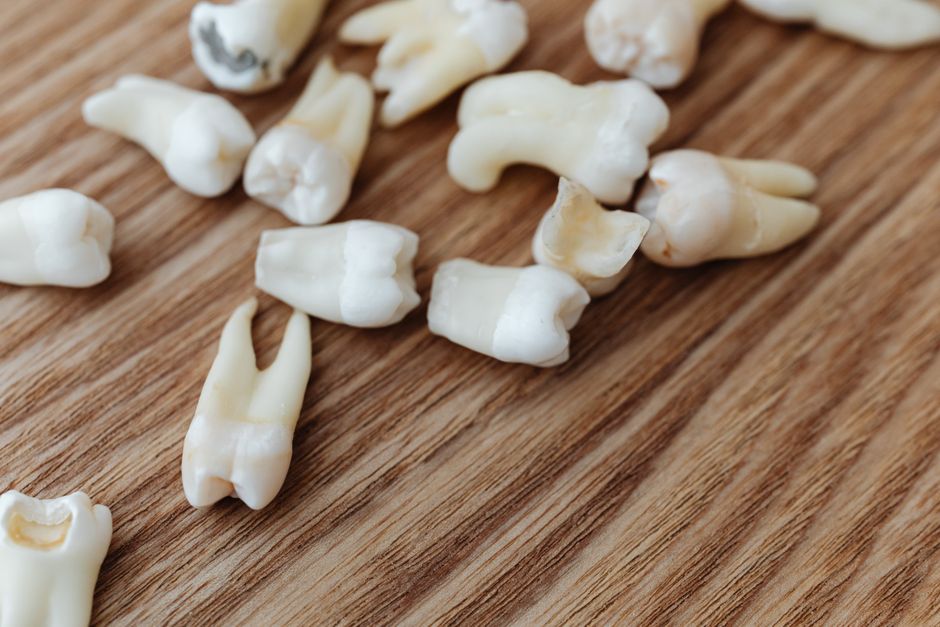
Tooth decay happens when four things come together in your mouth. You need bacteria that produce acid, sugar or other fermentable carbohydrates for them to feed on, a tooth surface that is vulnerable, and enough time for the acid to eat away at the enamel. These four factors work together. Remove any one of them and cavities cannot form.
What Are The 4 Causes Of Tooth Decay?
The four causes are often described as the caries balance model. They are:
- Bacteria in dental plaque, especially Streptococcus mutans and Lactobacillus species.
- Frequent exposure to sugars and carbohydrates that bacteria can ferment.
- A susceptible tooth surface, which may be weak from low fluoride, deep pits, or erosion.
- Length of time these factors act together. Cavities do not form overnight.
Each cause is necessary. No single cause alone creates a cavity. When all four are present, the risk goes up dramatically.
How Does Bacteria in Plaque Cause Cavities?
Billions of bacteria live in your mouth. Most are harmless. But some stick to your teeth in a sticky film called plaque. The bacteria that cause cavities feed on sugar and produce acid as a waste product.
That acid is the direct cause of tooth decay. It dissolves the minerals in your enamel. If this happens repeatedly, the enamel becomes soft and eventually collapses into a cavity. Two species are most often linked to cavities: Streptococcus mutans and Lactobacillus.
Not everyone has the same amount of cavity-causing bacteria. People with higher counts are at greater risk. The bacteria are passed from caregiver to child, often through shared spoons or kissing. Good oral hygiene and reducing sugar help keep their numbers down.
Why Is Sugar the Main Fuel for Decay?
Bacteria need fuel to make acid. That fuel comes from fermentable carbohydrates — mostly sugar. When you eat or drink something containing sugar, the bacteria in plaque start converting it into acid within seconds.
The type of sugar matters less than how often you are exposed to it. Sucrose (table sugar), fructose (fruit sugar), and glucose (in many foods) all feed bacteria equally. Even cooked starches like bread and crackers break down into sugars in the mouth and can fuel decay.
Sticky foods that cling to teeth, like dried fruit or candy, keep sugar in contact with teeth longer. Sipping a sugary drink throughout the day also provides a constant sugar supply. The frequency of sugar exposure is more important than the total amount. Each exposure triggers an acid attack that lasts about 20 minutes.



What Makes a Tooth Prone to Decay?
Teeth vary in how well they resist acid. Factors that make a tooth more vulnerable include:
- Thin enamel from genetics or from erosion caused by acidic foods and drinks.
- Deep pits and fissures on chewing surfaces where plaque collects and is hard to clean.
- Low fluoride exposure — fluoride strengthens enamel and helps it repair after acid attacks.
- Dry mouth — saliva normally washes away food and neutralizes acid. Without enough saliva, the protective effect is lost.
- Root surfaces exposed by gum recession — roots have no enamel and decay much faster than the crown of the tooth.
The tooth surface itself is part of the equation. Even with lots of bacteria and sugar, some people get fewer cavities because their enamel is naturally stronger or their saliva flow is high. Others with weaker enamel or lower saliva are at higher risk.
Why Is Time a Hidden Factor?
Acid does not destroy enamel instantly. The damage builds over time. Each sugar exposure causes acid to leach minerals out of the enamel for about 20 to 30 minutes. Then saliva slowly helps neutralize the acid and replace some of those minerals.
If your mouth gets several sugar exposures each day — for example, a sweet coffee in the morning, a soda at lunch, and a cookie in the afternoon — the enamel never gets a full break. Over weeks and months, the mineral loss adds up until the enamel can no longer maintain its structure. That is when a visible cavity forms.
Time also applies to how long plaque sits on teeth. If you brush twice a day and floss, you remove the biofilm before acid can do lasting damage. If you skip brushing, plaque stays in place for hours, giving bacteria plenty of time to eat and produce acid.
This is why frequent snacking and poor brushing habits together cause the most decay. Each one makes the other worse.
How Can You Prevent Cavities?
Prevention targets each of the four causes.
- Control bacteria: Brush twice daily with fluoride toothpaste. Floss once a day to clean between teeth. Regular dental cleanings remove hardened plaque (tartar).
- Reduce sugar frequency: Limit sugary snacks and drinks to mealtimes rather than sipping or nibbling throughout the day. Choose water between meals. Avoid sticky sweets.
- Strengthen tooth surfaces: Use fluoride toothpaste. Some people benefit from prescription fluoride gel or varnish applied by a dentist. Dental sealants coat the chewing surfaces of back teeth to block plaque from pits and fissures.
- Manage time: Do not give bacteria long stretches to work undisturbed. Brush and floss regularly. If you eat or drink something sugary, rinse your mouth with water afterward to shorten the acid attack.
Saliva also plays a key role. Chewing sugar-free gum with xylitol after meals stimulates saliva flow and may reduce cavity risk. If you have chronic dry mouth from medication or a medical condition, talk to your dentist about products that can help.
The evidence for these prevention strategies is strong and well established. All major health organizations recommend them.
Frequently Asked Questions
Can tooth decay be reversed?
Early decay that has not yet formed a cavity can be remineralized with fluoride and good oral care. Once a cavity has broken through the enamel, it cannot heal on its own and needs a filling.
Is sugar-free soda bad for teeth?
Yes, sugar-free soda is acidic and can erode enamel over time, making teeth more vulnerable to decay. It does not feed bacteria, but the acid erodes the surface directly.
Do genetics cause cavities?
Genetics influence the strength of your enamel, the composition of your saliva, and the shape of your teeth, all of which affect cavity risk. But the four direct causes are still bacteria, sugar, vulnerable tooth, and time — genetics just make some people more or less susceptible.
How often should I brush to prevent cavities?
Brush twice a day with fluoride toothpaste, ideally after breakfast and before bed. Brushing more than three times a day is not recommended as it can wear down enamel.
