
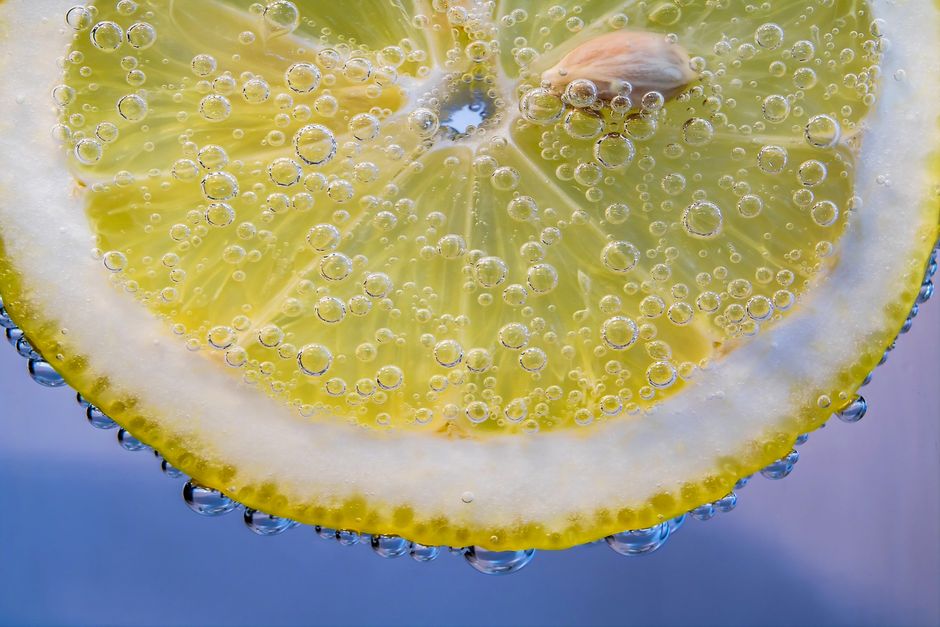
If you have ever searched for a list of the most acidic foods by pH, you have probably run into a confusing mix of numbers. The truth is that the pH of a food is not the same as its effect on your body. Foods with a low pH range from around 2.0 to 4.6, and the ten most acidic commonly eaten foods are lemon juice, lime juice, vinegar, grapefruit juice, lemon and lime whole fruit, cranberry juice, pomegranate juice, cola soft drinks, wine, and tomato products. That ranking comes from measured pH values, not from how these foods behave once you eat them.
What Are The 10 Most Acidic Foods By Ph?
pH runs from 0 to 14. Lower numbers mean more acid. A food with a pH below 4.6 is generally considered acidic, and the foods below sit well under that line. The values here are typical ranges, because pH shifts with variety, ripeness, and processing.
| Food | Typical pH range |
|---|---|
| Lemon juice | 2.0 to 2.6 |
| Lime juice | 2.0 to 2.8 |
| Vinegar | 2.4 to 3.4 |
| Grapefruit juice | 3.0 to 3.5 |
| Lemon and lime whole fruit | 2.2 to 3.0 |
| Cranberry juice | 2.3 to 2.5 |
| Pomegranate juice | 2.9 to 3.2 |
| Cola soft drinks | 2.5 to 3.5 |
| Wine | 2.9 to 3.9 |
| Tomato products | 3.5 to 4.7 |
Two things stand out. Citrus fruits and their juices dominate the list, which makes sense because they contain citric acid. Cola drinks are acidic because of phosphoric acid, which is added during manufacturing. Tomato products sit near the top of the acidic range and can cross the 4.6 threshold depending on how they are prepared.
One clarification worth making: the pH of a food tells you how acidic that food is on its own. It does not tell you what happens inside your body. Those are two different questions, and mixing them up is the source of most confusion on this topic.
Does Eating Acidic Foods Make Your Body Acidic?
No. Your body tightly controls its own pH, and food does not change that.
Blood pH stays in a narrow range of about 7.35 to 7.45. This range is defended by your lungs, kidneys, and chemical buffers in the blood. If blood pH drifted even slightly outside that window, you would be dealing with a medical emergency, not a dietary preference. The human body does not allow ordinary meals to shift blood pH.
When people talk about acidic foods affecting the body, they are usually referring to the acid ash hypothesis. This idea suggests that foods leaving behind acid after digestion might pull calcium from bone or stress the kidneys. The evidence here is mixed. Some studies suggest a link between high acid loads and bone loss, while others do not confirm it. No clinical evidence currently confirms that eating lemons or tomatoes will make your blood acidic or harm your health.
What acidic foods can do is affect your mouth, throat, and stomach directly. That is a local effect, not a whole-body one.
Which Acidic Foods Are Hardest On Teeth And Stomach?
The foods highest on this list are the ones most likely to cause discomfort in the mouth and stomach, because they deliver acid directly to those surfaces.
Tooth enamel begins to dissolve at a pH of about 5.5. Everything on the list above sits below that, sometimes far below. Frequent exposure matters more than a single serving. Sipping lemon water all day, for example, keeps teeth bathed in acid for hours and gives saliva less time to neutralize it.
In the stomach, acidic foods can worsen reflux in people who already have it. The stomach itself is built to handle strong acid, with a normal pH between 1.5 and 3.5. Adding more acid from food usually is not the problem. The problem is when stomach contents move upward into the esophagus, which is not designed for acid. Citrus, tomato, and carbonated drinks are common triggers reported by people with reflux, though triggers vary from person to person.
- Lemon and lime juice are among the most acidic items you can consume.
- Cola drinks combine low pH with sugar, which adds a separate concern for teeth.
- Tomato products are mildly acidic but often reported as reflux triggers.
- Wine and citrus juices are both acidic and commonly cited in reflux complaints.





Are Acidic Foods Bad For You?
Acidity alone does not make a food unhealthy. Many of the most acidic foods are also among the most nutritious.
Lemons, limes, grapefruit, cranberries, and pomegranates are rich in vitamin C and plant compounds. Tomatoes are a major source of lycopene. These are not foods most people need to avoid. The acid in them is simply one property among many.
What matters more is the form and frequency. Whole fruit is different from juice, because the fiber and structure change how quickly the sugar and acid reach your teeth and gut. A squeeze of lemon on a salad is different from drinking lemon juice straight. Cola is the outlier on this list, since its acidity comes with added sugar and no nutritional benefit.
For most healthy adults, the acidic foods on this list are fine as part of a normal diet. People with reflux, sensitive teeth, or a history of erosion may want to pay closer attention to how often they eat them.
How Can You Reduce The Effects Of Acidic Foods?
You do not need to cut these foods out. Adjusting how and when you eat them makes the biggest difference.
For teeth, rinse with plain water after eating something acidic. Wait about 30 minutes before brushing, because brushing right away can push softened enamel around. Chewing sugar-free gum helps saliva do its job of neutralizing acid. Using a straw for acidic drinks limits contact with teeth.
For reflux, eating smaller meals and avoiding lying down soon after eating can help. If specific foods reliably trigger symptoms, keeping a simple log can show which ones matter for you. Not everyone reacts to the same foods.
If you have persistent reflux, tooth erosion, or pain when eating acidic foods, that is worth a conversation with a clinician. Ongoing symptoms are not something to manage with diet changes alone.
Why The pH List Alone Is Misleading
A pH number tells you how acidic a food is in a lab beaker. It does not tell you how your body will respond.
Your saliva, stomach acid, and digestive system all interact with food in ways a single number cannot capture. A lemon with a pH near 2 does not acidify your blood. A tomato with a pH near 4 can still trigger reflux in some people. The number and the effect are related but not the same thing.
The most useful takeaway is practical. If you want to protect your teeth, watch how often acid touches them. If you have reflux, notice which foods trigger it for you. If you are simply curious about which foods are most acidic, the table above answers that directly.
Frequently Asked Questions
What is the most acidic food?
Lemon juice is generally the most acidic food commonly consumed, with a pH around 2.0 to 2.6. Lime juice is close behind at roughly 2.0 to 2.8.
Is coffee more acidic than lemon juice?
No. Coffee usually has a pH around 4.5 to 5.0, which is far less acidic than lemon juice. Coffee sits near the middle of the acidic range, not at the top.
Does drinking lemon water make your body acidic?
No. Your body maintains blood pH between about 7.35 and 7.45 regardless of what you eat or drink. Lemon water cannot shift that range.
Are acidic foods bad for your teeth?
Frequent exposure to acidic foods can erode tooth enamel over time, since enamel starts to dissolve around pH 5.5. Rinsing with water and waiting before brushing reduces the risk.
