
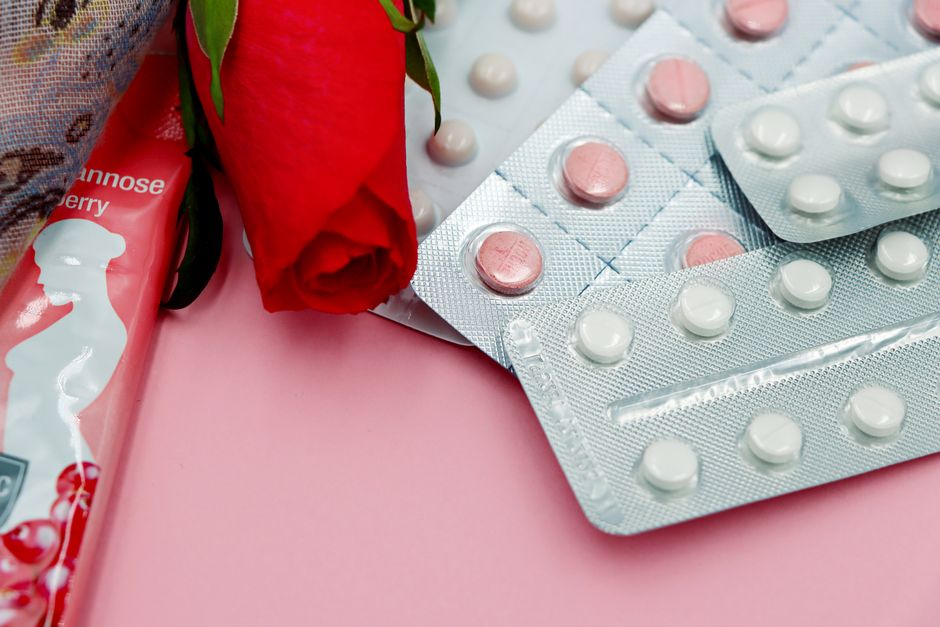
“Stims” is shorthand for ovarian stimulation—the medications used in IVF to prompt the ovaries to mature more than one egg in a single cycle. During a normal menstrual cycle, usually just one egg reaches maturity and ovulates. Stimulation medications adjust the hormones that control follicle growth so that several follicles develop at once, giving the fertility team more eggs to work with during retrieval.
It is one of the most misunderstood parts of IVF. People often assume “stims” means making the body do something unnatural. In reality, the medications work on the same hormonal signals the body already uses. They amplify a process that happens every cycle.
What Are Stims In IVF The Ovarian Stimulation Process?
Ovarian stimulation is a controlled, medication-assisted version of the follicular phase—the first half of the menstrual cycle. In a natural cycle, the brain releases follicle-stimulating hormone (FSH), which signals a group of follicles in the ovaries to start growing. Usually, one becomes dominant and the rest fade. Stimulation medications override that selection process so multiple follicles keep growing together.
The goal is not to make the ovaries produce an unlimited number of eggs. It is to recruit a reasonable number of mature eggs—enough to work with, while keeping the risk of complications manageable. What counts as “reasonable” varies by age, ovarian reserve, and individual response, and there is no single target number that applies to everyone.
The process typically unfolds in stages:
- Baseline assessment — blood tests and an ultrasound check hormone levels and confirm the ovaries are quiet before starting.
- Stimulation — daily injectable medications, usually given for around 8 to 14 days, encourage multiple follicles to grow.
- Monitoring — periodic ultrasounds and blood tests track follicle size and hormone levels.
- Trigger — a final injection matures the eggs and times ovulation so retrieval can be scheduled.
- Retrieval — a minor procedure collects the eggs, usually about 34 to 36 hours after the trigger shot.
What Medications Are Used During Ovarian Stimulation?
Most stimulation protocols combine two types of medication: one to grow the follicles and one to prevent premature ovulation.
Gonadotropins are the follicle-growing drugs. They contain FSH, sometimes with luteinizing hormone (LH), and are given by injection. Common examples include follitropin alfa, follitropin beta, menotropins, and a long-acting form called corifollitropin alfa. The specific product and dose are chosen by the clinician based on the person’s age, ovarian reserve testing, weight, and previous response to stimulation.
GnRH agonists and antagonists stop the pituitary gland from releasing the LH surge that would otherwise cause premature ovulation. Without this control, eggs could release before retrieval. Agonists are typically started earlier in the cycle; antagonists are added partway through stimulation. The choice between them is a clinical decision, and both approaches are well established.
Some protocols also include other medications—for example, oral letrozole or clomiphene in certain mild-stimulation approaches, or growth hormone in specific situations. These are not standard for everyone, and their use varies by clinic and individual case.
One point worth knowing: the “trigger” injection that matures the eggs is separate from the daily stimulation drugs. It is usually human chorionic gonadotropin (hCG) or a GnRH agonist, and its timing matters a great deal. Getting the timing wrong can affect how many eggs are retrieved.
What Does the Stimulation Cycle Look Like Day to Day?
Most people inject at roughly the same time each evening, often for one to two weeks. The exact duration depends on how the follicles respond, and response varies widely from person to person.
Monitoring appointments are frequent—typically every few days. Ultrasound measures follicle size, and blood tests check estrogen levels. Follicles are generally considered mature when they reach a certain size, and estrogen trends help confirm that growth is on track. Clinicians adjust the medication dose based on these results.
Most people continue normal daily activities during stimulation. Some report bloating, mild pelvic discomfort, or fatigue as follicles grow. These are common and usually manageable, but any severe pain, rapid weight gain, or shortness of breath should be reported to the clinic promptly.
How Many Eggs Should You Expect From Stimulation?
There is no universal number. Egg yield depends heavily on age, ovarian reserve, the protocol used, and how the individual responds. Younger patients with higher ovarian reserve generally produce more eggs than older patients or those with diminished reserve. Some cycles yield few eggs; others yield many.
More eggs is not automatically better. Research has consistently found that very high egg numbers do not translate into proportionally higher live birth rates per cycle, and they raise the risk of ovarian hyperstimulation syndrome (OHSS). A moderate response is often the clinical goal.
The evidence here is important to state honestly: egg quantity is only one factor. Egg quality, sperm quality, embryo development, and uterine factors all influence outcomes. A cycle with fewer eggs can still result in a successful pregnancy, and a cycle with many eggs does not guarantee one.
What Are the Risks of Ovarian Stimulation?
Ovarian hyperstimulation syndrome is the most serious medication-related risk. It occurs when the ovaries become overstimulated and fluid shifts into the abdomen and chest. Mild cases cause bloating and discomfort. Severe cases—which are uncommon—can involve significant fluid accumulation, breathing difficulty, and, rarely, blood clots or kidney problems.
Risk is higher in people with polycystic ovary syndrome, those who develop many follicles, and those who become pregnant in the same cycle. Clinicians use lower doses, antagonist protocols, and a GnRH agonist trigger instead of hCG in higher-risk patients to reduce the chance of OHSS. These strategies are well supported in clinical practice.
Other considerations include injection-site reactions, mild ovarian discomfort, and the emotional and logistical demands of daily treatment and monitoring. Multiple pregnancy is a risk tied mainly to how many embryos are transferred, not to stimulation itself—though transferring more than one embryo raises that risk.
Long-term safety questions come up often. The evidence on whether fertility medications increase the risk of ovarian or breast cancer is mixed and largely reassuring, but it is not absolute. Large studies have generally not found a strong link, though some uncertainty remains and research continues. Anyone with specific concerns should raise them with their clinician rather than relying on general claims either way.
Does Everyone Need the Same Stimulation Protocol?
No. Protocols are individualized, and this is one of the areas where clinical judgment matters most. A young patient with high ovarian reserve may be started on a lower dose to reduce OHSS risk. An older patient or someone with low reserve may need higher doses, and even then may produce few eggs.
Some clinics offer “mild stimulation,” using lower medication doses and aiming for fewer eggs. Some evidence suggests mild stimulation can produce acceptable pregnancy rates with fewer injections and lower OHSS risk in certain patients, though it is not appropriate for everyone and results vary. The right approach depends on the individual case.
If a first cycle produces a poor response, a clinician may adjust the protocol for a subsequent attempt. Response in one cycle does not perfectly predict the next, though it does inform planning.
What Stims Do Not Do
Stimulation does not create eggs. It works with the eggs already present in the ovaries. It does not improve egg quality—quality is largely determined by age and biology—and it does not guarantee a pregnancy. It increases the number of eggs available in a given cycle, which gives the lab more to work with during fertilization and embryo development.
That distinction matters. Marketing around fertility treatments sometimes implies that more medication or more eggs means better odds. The evidence does not support that simplification. Stimulation is a tool for increasing opportunity, not a guarantee of outcome.
Frequently Asked Questions
How long do you stim for IVF?
Most stimulation cycles last about 8 to 14 days, though the exact length depends on how the follicles respond. Monitoring appointments determine when the trigger injection is given.
Are IVF stims painful?
The injections themselves are usually brief and cause only minor discomfort. Some people report bloating or pelvic pressure as follicles grow, and severe pain should be reported to the clinic.
How many eggs is good for IVF?
There is no single “good” number, since yield depends on age, ovarian reserve, and protocol. A moderate response is often preferred because very high egg counts raise OHSS risk without a proportional gain in success rates.
Can you exercise during IVF stimulation?
Many people continue light activity, but some clinicians advise avoiding strenuous exercise or twisting movements as the ovaries enlarge. Follow your clinic’s specific guidance, since recommendations vary.
