
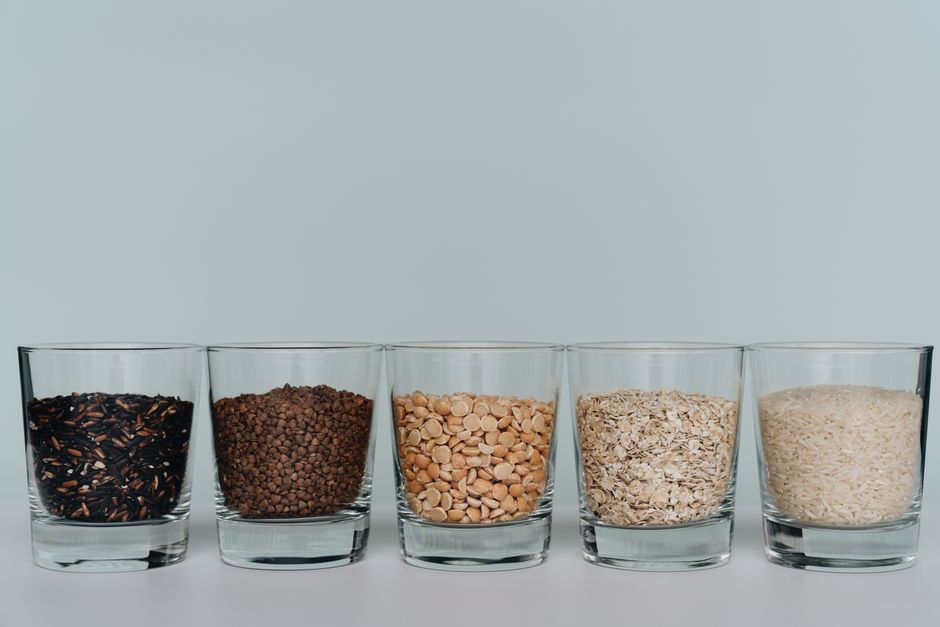
“Staple fibers” sounds like a term from a nutrition label or a fabric tag, and it turns out the phrase shows up in both worlds. In textiles, a staple fiber is any fiber that comes in short, measured lengths rather than one continuous strand. In nutrition, “staple fibers” is not a formal scientific category at all — it is a loose way people describe the fiber-rich foods that anchor a diet, like whole grains, beans, and root vegetables. Those two uses of the same phrase cause most of the confusion, so it helps to separate them.
The key difference is this: in textiles, “staple” describes the physical length of a fiber, and it is the opposite of a “filament” fiber, which is continuous. In nutrition, there is no official definition of a “staple fiber,” and the term is mostly marketing or casual shorthand. Knowing which meaning you are dealing with tells you almost everything about how the word is being used.
What Are Staple Fibers And How Do They Differ?
In the textile industry, staple fibers are short fibers measured in inches or centimeters, while filament fibers are long, continuous strands that can run for miles without breaking. That single difference in length drives how each fiber behaves, how it is spun, and what it feels like against your skin.
Most natural fibers are staple fibers. Cotton, wool, flax (which becomes linen), and hemp all grow as relatively short fibers. Silk is the famous exception among natural fibers — it is a filament, spun by silkworms as one long continuous thread. On the manufactured side, polyester, nylon, and rayon can be produced either way. They can be cut into short staple lengths to mimic cotton or wool, or extruded as continuous filaments for smooth, strong fabrics.
Why does length matter so much? Short fibers have to be twisted together to make a yarn, and those overlapping ends create tiny pockets and texture. That is why a cotton t-shirt feels soft and slightly fuzzy, and why wool holds air and insulates. Filaments lie flat and smooth, which is why silk and many synthetic athletic fabrics feel slick and drape differently.
Here is a detail that surprises people: the same chemical, polyester, can feel completely different depending on whether it is sold as staple or filament. Staple polyester is often blended with cotton to add wrinkle resistance while keeping a natural feel. Filament polyester is what gives you that smooth, slightly shiny performance fabric. Same molecule, different length, different product.
Is “Staple Fiber” a Real Nutrition Term?
No official nutrition or regulatory body defines “staple fiber” as a category. It is not on the Nutrition Facts label, not in dietary guidelines, and not a recognized term in the scientific literature on fiber. When you see it used in a health context, it usually means one of two things: fiber-rich staple foods, or a specific branded fiber ingredient being marketed.
The confusion is understandable. “Staple foods” is a real concept — it refers to the foods eaten regularly and in large amounts that form the foundation of a diet. Rice, wheat, maize, potatoes, and beans are staple foods in various cultures. Many of them happen to be good sources of fiber. So “staple fibers” can be a casual shorthand for “the fiber you get from your staple foods.”
That is a reasonable idea, but it is not a technical distinction. If someone tells you a product contains “staple fibers,” ask what they actually mean. It may be a real fiber source, or it may be a vague phrase doing marketing work.
How Do Dietary Fiber Types Actually Differ?
Nutrition science does draw real distinctions between fiber types, and those distinctions matter far more than the word “staple.” The main split is between soluble and insoluble fiber, and within those categories there are fibers with different effects on the body.
Soluble fiber dissolves in water and forms a gel-like substance in the gut. It is found in oats, barley, beans, lentils, apples, and citrus. Some soluble fibers are fermented by gut bacteria, which produces short-chain fatty acids that feed the cells lining the colon. Insoluble fiber does not dissolve. It adds bulk and helps move material through the digestive tract. It is found in whole grains, nuts, and the skins of many vegetables.
Within these groups, specific fibers behave differently. Beta-glucan, found in oats and barley, is a soluble fiber with well-documented effects on cholesterol. Psyllium, a soluble fiber used in supplements, is valued for its ability to absorb water and soften stool. Inulin and oligosaccharides are fermentable fibers that can cause gas in some people while feeding beneficial bacteria in others.
A useful clarification: “fiber” is not one substance. It is an umbrella term for many different carbohydrates that human digestive enzymes cannot break down. Because they are chemically and physically different, they do different things. Treating all fiber as interchangeable is a bit like treating all fats as interchangeable — technically one category, but with very different effects.





Which Foods Are the Real Fiber Staples?
The foods most people rely on for fiber are whole grains, legumes, vegetables, fruits, nuts, and seeds. These are the practical “staple fibers” of a diet, even though the term is informal.
Legumes deserve special mention. Beans, lentils, and chickpeas deliver both soluble and insoluble fiber, along with protein. Whole grains like oats, barley, and whole wheat are strong sources. Fruits with edible skins, such as apples and pears, contribute fiber largely through their skins. Vegetables, especially leafy greens and cruciferous vegetables, add fiber along with vitamins and minerals.
One honest caveat: refined grains lose most of their fiber during processing. White bread, white rice, and most processed snacks are low in fiber even when they are made from fiber-rich plants. The plant matters less than what happens to it before it reaches your plate.
How Much Fiber Do You Actually Need?
Established dietary guidance in the United States recommends roughly 25 grams of fiber per day for adult women and about 38 grams per day for adult men, based on standard reference intake values. Most adults fall well short of these targets.
Those numbers come from official dietary reference values, not from a specific study, so they are reliable as general targets. Individual needs can vary with age, health conditions, and other factors. If you have a digestive condition or take medications that affect your gut, the right amount for you may differ, and a clinician is the right person to ask.
When increasing fiber, the practical approach is to add it gradually and drink enough water. Jumping from a low-fiber diet to a high-fiber one quickly can cause bloating, gas, and cramping. That reaction is common and usually temporary, but it is real. Water matters because soluble fiber needs it to form the gel that does the work.
Does Fiber Type Change Health Outcomes?
Yes, and the evidence is stronger for some fibers than others. Research consistently links higher total fiber intake with better digestive health and lower risk of several chronic conditions, including heart disease and type 2 diabetes. The strength of that evidence varies by fiber type and by outcome.
For cholesterol, soluble fibers such as beta-glucan and psyllium have the most support. Certain regulatory bodies allow health claims for these fibers specifically because the evidence is strong enough to meet a defined standard. For blood sugar control, soluble and viscous fibers tend to help more than insoluble ones. For regularity and constipation, both types can help, but insoluble fiber and water-absorbing fibers like psyllium are often the focus.
What is less clear is whether isolated fiber supplements deliver the same benefits as fiber from whole foods. The evidence is mixed. Whole foods bring fiber along with vitamins, minerals, and other compounds, and it is hard to separate the fiber’s effect from everything else in the food. Fiber supplements can be useful in specific situations, but they are not a proven substitute for a fiber-rich diet. Anyone considering a supplement for a health condition should talk with a clinician first, since fiber can affect how some medications are absorbed.
Why the Term “Staple Fiber” Causes So Much Confusion
The word “staple” does two different jobs. In textiles, it is a precise technical term for fiber length. In everyday language, it means “basic” or “main.” When a supplement or food product uses “staple fiber,” it is borrowing the second meaning, not the first. There is no scientific category behind it.
That does not make the phrase useless. If it helps someone think about getting fiber from everyday foods like beans, oats, and vegetables, that is a reasonable idea. But it should not be mistaken for a defined nutrient class or a specific health claim. The meaningful distinctions in nutrition are soluble versus insoluble, fermentable versus non-fermentable, and whole food versus isolated supplement — not “staple” versus anything else.
If you came here from a fabric label, the answer is simpler. Staple fibers are short fibers that must be spun into yarn, and they are the opposite of continuous filament fibers. Same word, entirely different world.
Frequently Asked Questions
What is a staple fiber in simple terms?
In textiles, a staple fiber is a short fiber measured in inches or centimeters, as opposed to a continuous filament fiber. Cotton, wool, and flax are common staple fibers, while silk and many synthetic filaments are continuous.
Is “staple fiber” a real nutrition category?
No, there is no official nutrition or regulatory definition of “staple fiber.” The term is informal and usually refers to fiber-rich staple foods like whole grains and beans, or it is used loosely in marketing.
How much fiber should an adult eat per day?
Standard dietary reference values suggest about 25 grams per day for adult women and about 38 grams per day for adult men. Individual needs can vary, so a clinician can help if you have specific health concerns.
Do fiber supplements work as well as fiber from food?
The evidence is mixed, and it is unclear whether isolated fiber supplements provide the same benefits as fiber from whole foods. Some specific fibers, like psyllium, have good support for particular uses such as constipation.
