
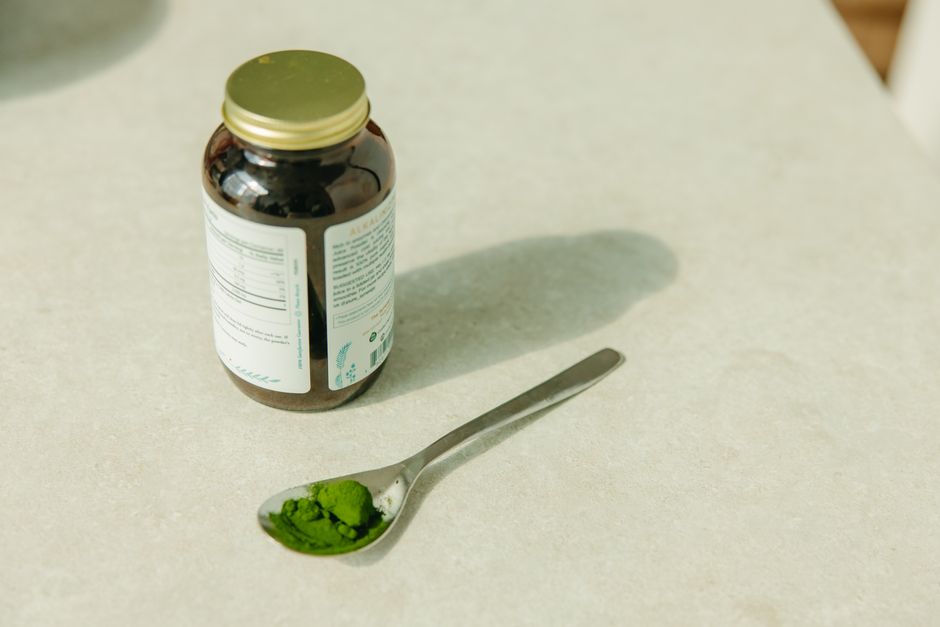
“Superfood” is a marketing word, not a medical one. No regulatory body defines it, and no single food prevents disease on its own. What the term usually points to is a group of foods that are unusually dense in nutrients — vitamins, minerals, fiber, healthy fats, or plant compounds — that research has linked to better health outcomes when eaten as part of an overall diet.
If you want the short list, the foods most often backed by real research include leafy greens, berries, fatty fish, legumes, nuts, olive oil, and fermented foods like yogurt. Each earns its place for a different reason. None of them works like a switch. They work the way all food works — slowly, in combination, over years.
What Are Some Superfoods Top Picks Explained?
The most evidence-backed picks tend to be ordinary foods, not exotic powders or imported berries. Here is what each one actually does and where the research stands.
Leafy greens. Spinach, kale, collards, and Swiss chard are high in vitamin K, vitamin A, folate, and fiber. They also supply nitrates, which the body converts to nitric oxide — a molecule that helps blood vessels relax. Some studies suggest diets rich in leafy greens are associated with lower rates of cardiovascular disease, though it is hard to separate greens from the rest of a healthy diet.
Berries. Blueberries, strawberries, and blackberries are high in anthocyanins, the pigments that give them color. These compounds are antioxidants in the lab. Whether that translates to meaningful disease protection in people is still debated. What is not debated: berries are low in calories, high in fiber, and easy to add to almost any meal.
Fatty fish. Salmon, sardines, mackerel, and herring are the strongest picks on this list in terms of evidence. They supply long-chain omega-3 fatty acids — EPA and DHA — which the body uses for cell membranes, heart function, and inflammation regulation. The American Heart Association has long recommended eating fish at least twice a week, and that guidance rests on decades of observational and clinical research.
Legumes. Beans, lentils, and chickpeas are high in fiber and plant protein, low in saturated fat, and cheap. Diets high in legumes are consistently linked with better blood sugar control and lower LDL cholesterol.
Nuts. Walnuts, almonds, and pistachios deliver healthy fats, fiber, and minerals. Regular nut eaters tend to have lower rates of heart disease in large observational studies, though people who eat nuts may also differ from those who do not in other ways.
Olive oil. Extra virgin olive oil is the main fat in the Mediterranean diet, which has been studied more than almost any other eating pattern. It contains monounsaturated fat and polyphenols. The PREDIMED trial, published in the New England Journal of Medicine, found that a Mediterranean diet supplemented with extra virgin olive oil or nuts was associated with fewer cardiovascular events than a low-fat control diet in people at high risk.
Fermented foods. Yogurt, kefir, kimchi, and sauerkraut contain live bacteria. Some research suggests fermented foods can increase the diversity of gut bacteria, which is generally considered a good sign for digestive and immune health. The clinical picture is still developing.
Do Superfoods Actually Prevent Disease?
No single food prevents disease. That claim does not hold up in the research, and any product that says otherwise is overreaching.
What the evidence does support is a pattern. People who eat more vegetables, fruit, whole grains, legumes, nuts, fish, and olive oil — and less processed meat, refined grains, and added sugar — tend to have lower rates of heart disease, type 2 diabetes, and some cancers. That pattern shows up again and again across large population studies and in randomized trials like PREDIMED.
The tricky part is that these foods travel together. Someone who eats salmon twice a week may also exercise more, sleep better, and smoke less. Researchers try to control for these factors, but they cannot fully untangle them. So when you read that a food is “linked to” lower disease risk, that is what it means — linked, not proven to cause.
There is one more thing worth knowing. The benefit of a food often depends on what it replaces. Swapping a processed meat sandwich for a lentil soup is a meaningful change. Adding a handful of blueberries on top of an unchanged diet is not the same thing.
Are Expensive Superfoods Better Than Cheap Ones?
Almost never. Price reflects marketing, supply chains, and rarity — not nutrient density.
A few examples make the point. Kale and collard greens cost a fraction of what a bag of powdered “greens blend” costs, and they deliver similar or better nutrition. Frozen blueberries have comparable antioxidant content to fresh ones and cost far less out of season. Sardines — one of the cheapest fish — are among the highest in omega-3s and lowest in mercury.
What tends to cost more and deliver less:
- Powdered superfood blends with long ingredient lists but no clinical trials behind the finished product
- Exotic berries and roots marketed for antioxidant content that has not been shown to matter in human outcomes
- Detox teas and cleanses, which have no established mechanism for “removing toxins” beyond what the liver and kidneys already do
- Single-nutrient supplements sold as substitutes for whole foods
Supplements are a separate issue from food. A multivitamin or a specific nutrient may be appropriate for some people with diagnosed deficiencies or restricted diets. That is a conversation for a clinician, not a shopping decision.





How Much of These Foods Do You Need?
There is no official “superfood” serving size, because the category does not exist in nutrition guidelines. What does exist are general recommendations for food groups.
Established guidance from US dietary guidelines points toward eating a variety of vegetables and fruits daily, choosing whole grains over refined, and including fish and legumes regularly. The exact amounts vary by age, sex, and activity level. A reasonable frame:
- Fish: two servings per week, per longstanding American Heart Association guidance
- Vegetables and fruits: a variety across the week, with color variation
- Legumes: several times per week as a protein source
- Nuts: a small handful most days, keeping calories in mind
- Olive oil: as the main added fat, replacing butter or processed oils where possible
These are patterns, not prescriptions. No clinical guidelines currently exist for “superfood” doses, because the term has no clinical definition.
What Does the Research Actually Show?
The strongest evidence in nutrition is not about individual foods. It is about dietary patterns.
The Mediterranean diet is the most studied. Research published in the New England Journal of Medicine found that people at high risk of heart disease who followed a Mediterranean diet supplemented with olive oil or nuts had fewer major cardiovascular events than those on a low-fat diet. That is a randomized trial, which is a stronger design than the observational studies that dominate nutrition research.
Diets high in fiber — from vegetables, fruit, legumes, and whole grains — are consistently linked with lower rates of heart disease, type 2 diabetes, and colorectal cancer. Some research suggests the benefit comes from the fiber itself, some from the foods that carry it, and some from what those foods replace.
For individual “superfoods,” the evidence is thinner. Blueberries, matcha, acai, and turmeric all have laboratory research showing antioxidant or anti-inflammatory activity. Whether that activity produces meaningful health outcomes in people eating normal amounts is often unclear. The gap between a lab result and a human benefit is where most superfood marketing lives.
Are There Risks to Chasing Superfoods?
Yes, and they are mostly indirect.
The first risk is displacement. If someone fills up on a $12 smoothie and skips the vegetables they would have eaten otherwise, the net effect can be worse, not better. Nutrient-dense food is only useful if it replaces something less useful.
The second is overconfidence. Believing a food is protective can lead people to skip screenings, ignore blood pressure, or assume their diet is fine when it is not. No food substitutes for medical care.
The third involves supplements. High doses of certain nutrients can cause harm. Vitamin K interacts with blood thinners. Some herbal products affect liver function or interact with prescription medications. Whole foods rarely cause these problems at normal intake. Concentrated extracts can.
One more point. Some foods marketed as superfoods are genuinely risky for specific groups. Grapefruit interacts with many medications. Raw sprouts can carry bacteria that are dangerous for pregnant women, young children, older adults, and people with weakened immune systems. These are not reasons to avoid the category — they are reasons to check with a clinician if you take medication or have a health condition.
Frequently Asked Questions
What are the top superfoods backed by research?
Fatty fish, leafy greens, berries, legumes, nuts, olive oil, and fermented foods have the most consistent research support. Each contributes different nutrients, and none works alone.
Do I need to buy expensive superfood powders?
No. Whole foods like frozen berries, canned sardines, and dried lentils deliver comparable nutrition at far lower cost. Powders rarely have clinical trials behind the finished product.
Can superfoods prevent heart disease?
No single food prevents heart disease, but eating patterns rich in fish, vegetables, legumes, nuts, and olive oil are linked to lower risk. The Mediterranean diet has the strongest trial evidence.
How often should I eat these foods?
Aim for fish twice a week, legumes several times a week, and a variety of vegetables, fruit, and nuts most days. Exact amounts vary by person and should follow general dietary guidelines.
