
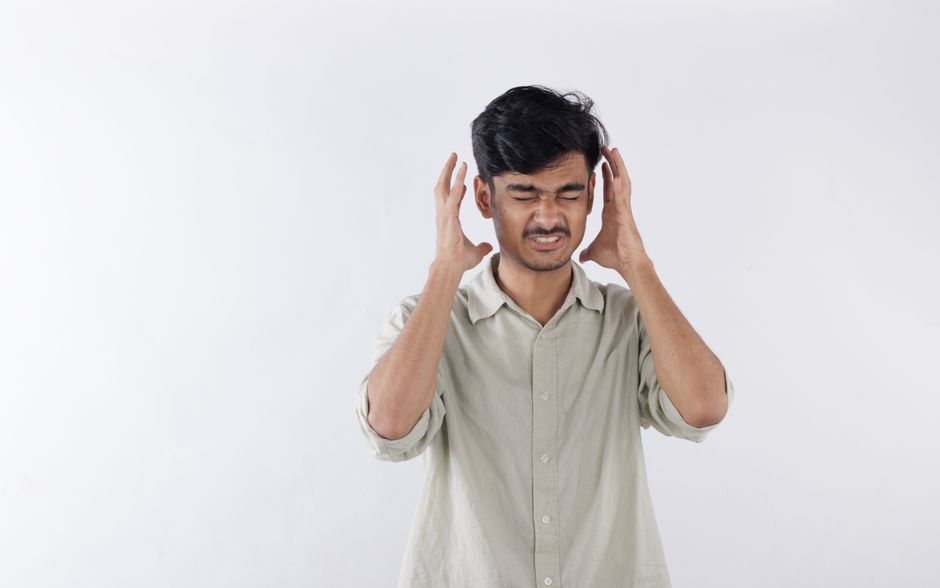
Your heart is pounding. Your thoughts are racing. You feel restless, tense, and maybe a little short of breath. Anxiety symptoms are the physical and mental signs your body produces when it senses threat — and they can show up even when no real danger exists. They range from a fast heartbeat and tight muscles to worry you cannot switch off and trouble sleeping.
Anxiety is a normal human response, not a flaw. It becomes a health concern when symptoms are intense, last a long time, or start to interfere with daily life. Understanding what the symptoms are — and why they happen — is the first step toward getting help if you need it.
What Are Some Anxiety Symptoms?
Anxiety symptoms fall into two broad groups: physical and psychological. Most people experience a mix of both.
The physical symptoms come from your body’s stress response — often called fight-or-flight. When your brain perceives a threat, it signals your adrenal glands to release hormones including adrenaline and cortisol. These hormones speed up your heart, sharpen your senses, and tense your muscles so you are ready to react. That system is useful when you are in real danger. It is less useful when it fires during a routine work meeting or a quiet night at home.
Common physical symptoms include:
- A fast, pounding, or fluttering heartbeat
- Shallow or rapid breathing, or a feeling of breathlessness
- Tight muscles, especially in the neck, shoulders, and jaw
- Sweating, trembling, or feeling shaky
- Stomach upset, nausea, or digestive discomfort
- Dizziness or lightheadedness
- Fatigue or feeling easily worn out
- Headaches
- Trouble falling or staying asleep
The psychological symptoms center on worry and tension. You might feel restless or on edge, struggle to concentrate, or find your mind going blank. Irritability is common. So is a sense of dread — the feeling that something bad is about to happen, even without a clear reason.
One symptom people often do not recognize is avoidance. If you start skipping social events, avoiding driving, or putting off tasks that make you nervous, that is a symptom too. Avoidance is how anxiety quietly shrinks your world.
How Do Physical and Mental Anxiety Symptoms Differ?
Physical symptoms are felt in the body. Mental symptoms are felt in your thoughts and mood. They are not separate systems — they feed each other.
A racing heart can trigger a worried thought (“something is wrong with me”). That thought can make your heart race harder. This loop is well documented in anxiety research and helps explain why symptoms can escalate quickly.
Here is a simple way to compare them:
| Physical symptoms | Mental symptoms |
|---|---|
| Fast heartbeat, chest tightness | Constant worry you cannot control |
| Shortness of breath | Racing or blank thoughts |
| Muscle tension, trembling | Restlessness, feeling on edge |
| Stomach upset, nausea | Dread or a sense of doom |
| Sweating, dizziness | Poor concentration |
| Sleep problems, fatigue | Irritability |
Because physical symptoms are so tangible, many people first seek help from a doctor for the body symptoms — chest pain, stomach issues, or headaches — without realizing anxiety is the root. That is common and understandable. A careful clinician will consider both possibilities.
When Do Anxiety Symptoms Become a Disorder?
Anxiety becomes a disorder when symptoms are persistent, hard to control, and get in the way of work, relationships, or daily functioning. Occasional anxiety is normal. A diagnosable anxiety disorder is different in intensity, duration, and impact.
Mental health professionals use established diagnostic criteria to draw this line. For generalized anxiety disorder, the criteria involve excessive worry occurring more days than not for at least six months, along with symptoms such as restlessness, fatigue, difficulty concentrating, irritability, muscle tension, and sleep disturbance. These criteria come from the Diagnostic and Statistical Manual of Mental Disorders, Fifth Edition (DSM-5), the standard reference used in US clinical practice.
Anxiety disorders are among the most common mental health conditions. They include generalized anxiety disorder, panic disorder, social anxiety disorder, and specific phobias. Each has its own pattern of symptoms, but all share excessive fear or worry as a core feature.
An important point: you do not need a formal diagnosis to deserve support. If symptoms are bothering you, that is reason enough to talk to a professional.




What Does an Anxiety Attack Feel Like?
An anxiety attack can feel sudden and overwhelming. Your heart races, your breathing gets fast and shallow, your chest may tighten, and you may feel dizzy or detached from your surroundings. Some people describe a fear of losing control or a feeling that something terrible is about to happen.
These episodes overlap with what clinicians call panic attacks. A panic attack is a distinct, well-defined event marked by a surge of intense fear that peaks within minutes, accompanied by symptoms such as a pounding heart, sweating, trembling, shortness of breath, chest pain, nausea, dizziness, and a fear of dying or losing control. The DSM-5 defines panic attacks this way.
Panic attacks are not dangerous to your heart or your body, even though they feel frightening. They are a misfire of the body’s alarm system. That said, chest pain and shortness of breath can also signal a real medical emergency. If you are unsure — especially if this is your first episode or you have heart risk factors — seek medical care to rule out other causes. This is the safe approach, and clinicians recommend it.
What Causes Anxiety Symptoms?
Anxiety symptoms arise from a mix of biology, life experience, and circumstance. There is rarely a single cause.
Genetics play a role. Anxiety disorders tend to run in families, which suggests an inherited vulnerability. Brain chemistry matters too — the same stress hormones and neurotransmitter systems involved in the fight-or-flight response are involved in anxiety disorders.
Life experiences shape risk. Trauma, chronic stress, a difficult childhood, or a major life change can all contribute. So can certain medical conditions — an overactive thyroid, heart arrhythmias, and some medication side effects can produce anxiety-like symptoms. Substance use, including heavy caffeine or alcohol, can also trigger or worsen symptoms.
This is why a thorough evaluation matters. A clinician will typically ask about symptoms, history, and sometimes order tests to rule out physical causes before settling on an anxiety diagnosis.
What Helps With Anxiety Symptoms?
Anxiety is treatable, and the evidence for several approaches is strong. The two best-studied treatments are psychotherapy and medication, often used together.
Cognitive behavioral therapy (CBT) is one of the most researched psychological treatments for anxiety disorders. It focuses on identifying and changing thought patterns and behaviors that fuel anxiety. Research consistently shows CBT can reduce anxiety symptoms, and its benefits often last after treatment ends.
Medications, including certain antidepressants and anti-anxiety drugs, are also well established for anxiety disorders. They are prescribed by clinicians and require proper medical supervision. No one should start or stop these medications without professional guidance.
Lifestyle factors can support treatment but are not a substitute for it. Regular physical activity, adequate sleep, limiting caffeine and alcohol, and learning relaxation techniques such as slow breathing can help manage symptoms. The evidence for these as standalone treatments is more limited than for therapy and medication, but they are reasonable supportive steps.
If anxiety symptoms are affecting your life, talk to a doctor or mental health professional. Effective help exists, and reaching out is a sign of strength, not weakness.
Frequently Asked Questions
What are the most common anxiety symptoms?
The most common include a fast heartbeat, muscle tension, restlessness, trouble concentrating, irritability, and sleep problems. Many people also feel a sense of dread or worry they cannot switch off.
How do I know if my anxiety is normal or a disorder?
Anxiety becomes a disorder when symptoms are persistent, hard to control, and interfere with daily life. A mental health professional can assess this using established diagnostic criteria.
Can anxiety cause physical symptoms like chest pain?
Yes, anxiety can cause chest tightness, a racing heart, and shortness of breath. Because these can also signal a heart problem, new or severe chest pain should be checked by a medical professional.
When should I see a doctor for anxiety symptoms?
See a doctor when symptoms last weeks or longer, feel hard to control, or start affecting work, sleep, or relationships. Early support tends to make treatment easier.
