
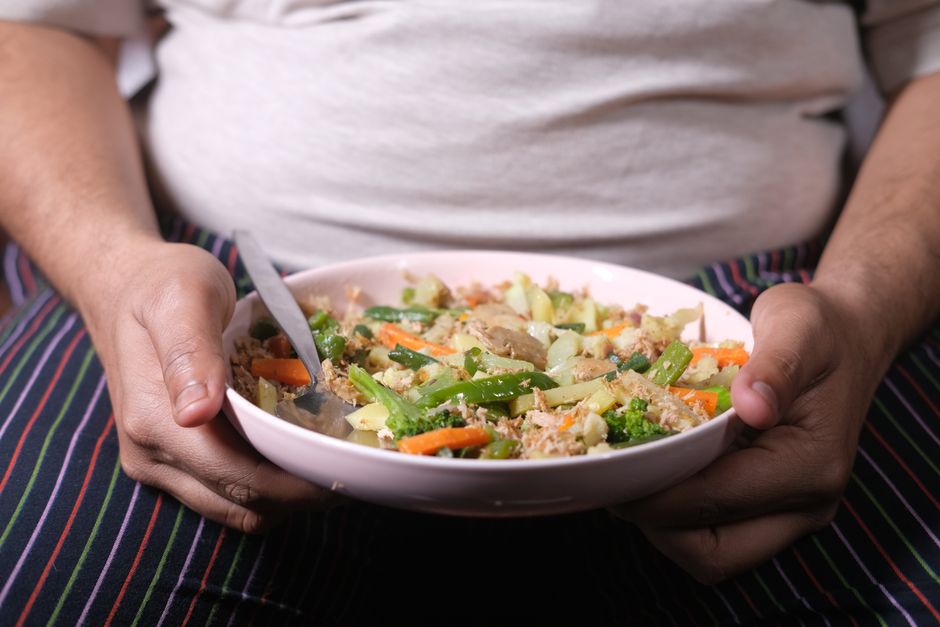
Soft foods are foods you can chew and swallow with little effort. They are tender enough to cut with a fork or a spoon, moist enough to break apart easily in the mouth, and free of hard, crunchy, or stringy textures that are hard to manage. Doctors, dentists, and speech-language pathologists recommend them after mouth surgery, during recovery from illness, and for people who have trouble swallowing.
What Are Soft Foods?
The term covers a wide range of everyday foods, not a special diet you have to buy. Cooked vegetables, ripe fruit, eggs, soft-cooked grains, ground meats, yogurt, and smooth soups all qualify. What they share is texture: they are easy to bite, easy to move around the mouth, and easy to swallow without a lot of chewing.
Soft food diets are usually temporary. A dentist might ask you to eat soft foods for a few days after a tooth extraction. A doctor might recommend them after abdominal surgery or during a flare of a digestive condition. Some people stay on soft foods long term because of a swallowing disorder, a neurological condition, or a structural problem in the mouth or throat.
One common mix-up is treating “soft” and “liquid” as the same thing. A liquid diet means only fluids. A soft diet includes foods you still chew, just gently. That difference matters because a soft diet is usually more nutritious and easier to stick with than an all-liquid one.
What Foods Count as Soft Foods?
Most soft foods fall into a few clear groups. The list below covers foods that are widely considered soft and easy to manage.
- Cooked or soft vegetables: mashed potatoes, well-cooked carrots, squash, green beans cooked until tender, and pureed vegetable soups.
- Soft fruits: bananas, ripe peaches, canned pears, applesauce, and melon.
- Eggs: scrambled, soft-boiled, or poached. Hard-boiled eggs are firmer and may be harder to chew.
- Dairy: yogurt, cottage cheese, soft cheeses, and milk.
- Grains: oatmeal, cream of wheat, soft bread without a hard crust, and well-cooked pasta.
- Proteins: ground meat, soft flaked fish, tuna salad, and soft tofu.
- Other: smooth nut butters, hummus, and soft cooked beans.
Texture is not the only thing that matters. Moisture helps a lot. A dry muffin and a moist muffin can have the same ingredients, but the dry one is much harder to swallow. Adding gravy, sauce, broth, or yogurt can turn a borderline food into a soft one.
What Foods Should You Avoid on a Soft Diet?
Foods to skip are the ones that are hard, crunchy, chewy, stringy, or dry. These are the textures most likely to cause choking, get stuck, or irritate a healing mouth or throat.
- Nuts, seeds, and popcorn
- Raw crunchy vegetables like carrots and celery
- Tough or gristly meats
- Hard crusts, crackers, and chips
- Sticky foods like caramel and taffy
- Stringy foods like celery stalks and some fibrous meats
- Dry foods like toast and dry cereal
- Foods with mixed textures, such as soup with large chunks or cereal with milk
Mixed-texture foods deserve a special mention. A bowl of broth with big pieces of vegetable or meat forces the mouth to handle two very different textures at once. That combination is often harder to manage than either texture alone, especially for people with swallowing problems. This is one reason hospitals and care facilities often puree foods for patients with dysphagia, the medical term for difficulty swallowing.



Who Needs a Soft Food Diet?
Soft diets show up in several different situations, and the reason usually shapes how strict the diet needs to be.
After dental work. Tooth extraction, dental implants, and gum surgery leave tender tissue that needs time to heal. Chewing hard foods can dislodge a blood clot or irritate stitches. Soft foods reduce that risk while the area recovers.
After surgery or during illness. Surgery on the mouth, throat, or digestive tract often comes with a soft diet order. So can a bad bout of illness when appetite and energy are low.
With swallowing difficulty. Dysphagia can come from a stroke, Parkinson’s disease, head and neck cancer treatment, or other conditions. Speech-language pathologists assess swallowing and often recommend specific texture levels. The International Dysphagia Diet Standardisation Initiative, known as IDDSA, provides a widely used framework that classifies foods and drinks by texture and thickness. If you or a family member has a swallowing problem, this is a case where working with a clinician matters more than following a general list.
With digestive conditions. Some people with conditions like acid reflux, irritable bowel syndrome, or inflammatory bowel disease find soft, low-fiber foods easier to tolerate during flares. The evidence for specific diets in these conditions varies, and what helps one person may not help another.
Does a Soft Food Diet Give You Enough Nutrition?
A well-planned soft diet can meet most nutrition needs. A poorly planned one often falls short, especially on protein, fiber, and calories.
Protein is the nutrient most likely to slip. Soft protein sources include eggs, yogurt, cottage cheese, ground meat, soft fish, tofu, and smooth nut butters. Getting protein at every meal helps, particularly during recovery from surgery or illness when the body needs more of it.
Fiber is the second common gap. Soft diets often cut back on raw vegetables and whole grains, which are major fiber sources. Cooked vegetables, mashed beans, oatmeal, and soft fruits like bananas and applesauce can help fill that gap. If constipation becomes a problem, that is worth raising with a doctor rather than pushing through.
Calories can also run low. Soft foods are often bulky and filling without being calorie-dense. Adding olive oil, butter, full-fat dairy, or smooth sauces can help when weight loss is a concern.
For most healthy adults on a short-term soft diet, these gaps are not a major worry. For anyone on a soft diet for weeks or months, or for people who are already undernourished, a registered dietitian can help build a plan that covers the basics.
How Do You Prepare Soft Foods?
Preparation does most of the work on a soft diet. A few techniques turn ordinary foods into soft ones.
- Cook longer. Extra cooking time softens vegetables, grains, and meats.
- Add moisture. Broth, sauce, gravy, yogurt, and milk all make foods easier to swallow.
- Cut small. Smaller pieces are easier to chew and less likely to cause choking.
- Blend or mash. A blender or food processor can turn many foods into a smooth texture. A fork works for softer items.
- Choose the right cooking method. Steaming, boiling, stewing, and poaching tend to produce softer results than grilling, roasting, or frying.
Temperature matters for some people. Very hot foods and drinks can irritate a healing mouth, and very cold foods can bother sensitive teeth. Room temperature or lukewarm is often the easiest.
What About Soft Foods for Children and Older Adults?
Soft food guidance for children and older adults is different from general adult advice, and it is worth being careful here.
For babies starting solids, the standard approach is soft, mashed, or pureed foods introduced alongside breast milk or formula. Current guidance from pediatric organizations emphasizes starting around 6 months with developmentally appropriate textures and progressing as chewing skills develop. Specific texture timelines vary, and a pediatrician is the right source for questions about a particular child.
For older adults, soft diets often come up alongside chewing problems, dry mouth, or swallowing changes. Loss of teeth, ill-fitting dentures, and reduced saliva production all make hard or dry foods harder to manage. Soft foods can help maintain intake, but the risk of inadequate protein and calories is real in this group. No single soft diet plan fits everyone, and clinical guidance for older adults with swallowing problems typically involves an individualized assessment rather than a generic food list.
When Should You Talk to a Doctor?
Talk to a doctor if swallowing is painful, if food feels like it is sticking in your throat or chest, if you cough or choke while eating, or if you are losing weight without trying. These can point to conditions that need evaluation, not just a change in diet.
Also seek care if a soft diet is not controlling your symptoms, or if you have been on one longer than expected without a clear plan to move off it. A soft diet is a tool, not a diagnosis. The underlying reason for it usually needs its own answer.
Frequently Asked Questions
What are soft foods examples?
Common examples include mashed potatoes, scrambled eggs, yogurt, oatmeal, bananas, applesauce, soft-cooked pasta, ground meat, and smooth soups. The key is that each one is easy to chew and swallow without much effort.
Are soft foods the same as a liquid diet?
No. A liquid diet allows only fluids, while a soft diet includes foods you still chew gently. Soft diets are usually more nutritious and easier to follow than all-liquid diets.
How long should you stay on a soft food diet?
It depends on why you are on it. A dentist might recommend soft foods for a few days after an extraction, while recovery from surgery or a swallowing condition can require weeks or longer. Follow the timeline your doctor or dentist gives you.
Can you eat bread on a soft food diet?
Soft bread without a hard crust is usually fine, especially if you moisten it with a sauce or dip it in soup. Toasted or crusty bread is firmer and generally not recommended.
