
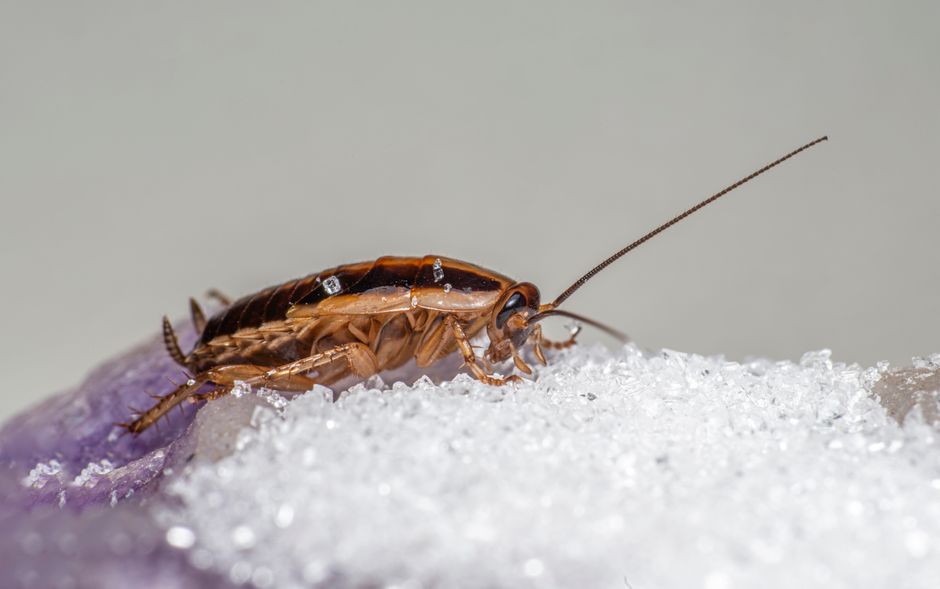
Finding a live cockroach in a kitchen is the obvious sign. But most infestations announce themselves long before that — through a distinct musty odor, dark fecal specks in cabinet corners, shed skins, and egg cases tucked into warm, damp crevices. In food safety terms, the presence of cockroaches matters because these insects carry bacteria on their bodies and deposit them on food, surfaces, and packaging.
That is the short answer. The longer answer involves knowing exactly what to look for, where to look, and why cockroaches are treated as a serious public health concern in food handling rather than just a household nuisance.
What Are Signs Of A Cockroach Infestation In Food Safety?
Cockroaches leave behind physical evidence that accumulates over time. The most reliable signs are:
- Droppings: Small dark specks that look like ground pepper or coffee grounds. Larger species leave cylindrical pellets. They collect along walls, in corners, behind appliances, and inside cabinets.
- A musty, oily odor: A persistent smell that gets stronger as the population grows. Some people describe it as sweet or stale.
- Egg cases (oothecae): Brown, purse-shaped capsules roughly the size of a grain of rice, often glued to surfaces in dark, warm areas.
- Shed skins: Cockroaches molt as they grow. You may find hollow, translucent skins near harborage areas.
- Smear marks: Dark streaks on walls or floors where cockroaches travel along regular routes, especially in areas with moisture.
- Live insects: Seeing roaches during daylight hours often indicates a large population, because cockroaches are typically nocturnal and hide when densities are lower.
In a food safety context, any of these signs means the facility or home kitchen has a potential contamination pathway. Cockroaches move between sewers, drains, garbage, and food storage areas. Whatever they pick up on their bodies can end up on food contact surfaces.
Why Are Cockroaches a Food Safety Concern?
Cockroaches are not just unpleasant to look at. They are mechanical vectors for pathogens. That means they do not inject or bite to transmit disease — they carry microorganisms on their legs, bodies, and in their digestive tracts, and deposit them wherever they walk or defecate.
Research has identified various bacteria on cockroaches collected from infested environments, including species of Salmonella, E. coli, and Staphylococcus. A review published in the journal PLOS ONE documented that cockroaches can harbor antibiotic-resistant bacteria as well. The key point is not that every cockroach carries every pathogen, but that their movement between waste and food creates a real contamination risk.
Beyond bacteria, cockroach shed skins and feces contain proteins that can trigger allergic reactions and asthma symptoms in sensitive people. This is a respiratory concern rather than a foodborne illness concern, but it matters in homes and food handling spaces alike.
The FDA’s Food Code and equivalent state regulations treat cockroach presence as a critical violation in food establishments. A single live roach observed during an inspection can trigger enforcement action. That reflects how seriously regulators view the risk.
Where Should You Look for Cockroach Activity?
Cockroaches need three things: warmth, moisture, and darkness. They congregate in areas that provide all three.
In a kitchen or food storage area, check these locations:
- Behind and under refrigerators, stoves, and dishwashers
- Inside cabinet hinges and cracks
- Along pipe penetrations under sinks
- In floor drains and drain pipes
- Behind baseboards and loose wallpaper
- Inside cardboard boxes and paper bags used for food storage
- Near garbage containers and recycling bins
- In motor housings of appliances, where warmth attracts them
Different species prefer different areas. German cockroaches, the most common indoor species, thrive in kitchens and bathrooms. American cockroaches are more often found in sewers, basements, and drains. Oriental cockroaches favor cool, damp spaces like crawl spaces and floor drains.
Identifying the species matters for control, but for food safety purposes, any species in a food area is a problem.




How Do Cockroaches Get Into Food Handling Areas?
Cockroaches are opportunists. They enter buildings through gaps around pipes, cracks in walls, vents, and drains. They also hitchhike in on boxes, bags, used appliances, and secondhand equipment.
Once inside, they find food and shelter. A single German cockroach female can produce hundreds of offspring in her lifetime, so a small introduction can become a significant infestation within months.
In food facilities, the most common entry points are:
- Deliveries of ingredients in cardboard or paper packaging
- Shared walls with neighboring units in multi-tenant buildings
- Drain systems that connect to municipal sewers
- Used equipment brought in without inspection
Prevention starts at the point of entry. Inspecting deliveries, sealing cracks, and maintaining drain covers are basic but effective steps.
What Should You Do If You Find Signs of Cockroaches?
Finding signs means you need to act. The approach depends on whether this is a home kitchen or a commercial food operation.
For a home kitchen:
- Clean thoroughly. Remove food debris, grease, and standing water.
- Store food in sealed containers — glass, metal, or heavy plastic.
- Fix leaks and eliminate moisture sources.
- Seal cracks and gaps around pipes and baseboards.
- Use baits and traps as a first line of control. Glue traps help monitor where activity is concentrated.
- If the infestation is significant, contact a licensed pest control professional.
For a commercial food facility:
- Document the finding and notify your pest control operator immediately.
- Increase cleaning frequency in affected areas.
- Review your integrated pest management (IPM) plan.
- Discard any food that may have been exposed to cockroach activity. When in doubt, throw it out.
- Expect follow-up inspections. Regulatory agencies treat cockroach findings as serious violations.
Insecticides can help, but they are not a standalone solution. Cockroaches develop resistance to some chemicals, and improper use can spread contamination. Baits and gels are generally more effective for indoor control because they target the harborage rather than just the visible insects.
Can You Prevent Cockroach Infestations in Food Areas?
Prevention is more effective than treatment. The core principles are simple: deny access, deny food, deny water.
Deny access by sealing cracks, installing door sweeps, covering vents, and screening drains. Deny food by cleaning up crumbs and grease, storing food in sealed containers, and taking out trash regularly. Deny water by fixing leaks and drying damp areas.
In commercial settings, a documented pest management program is standard practice. This includes regular inspections, monitoring stations, and a clear protocol for responding to findings. The FDA Food Code requires food establishments to have effective pest control, and inspectors will look for evidence that a program is in place and working.
One practical point that is often overlooked: cardboard boxes are a common hiding place and breeding site for cockroaches. In food storage areas, transferring dry goods to sealed plastic or metal containers reduces both pest attraction and contamination risk.
How Serious Is a Cockroach Problem in Food Safety Terms?
Cockroaches are considered a significant food safety hazard. They are not a minor nuisance that can be ignored. Their ability to carry and spread bacteria, combined with their tendency to live and breed in food storage areas, makes them a direct threat to food safety.
The presence of cockroaches in a food establishment is a critical violation under most food safety regulations. In home kitchens, the risk is lower in scale but still real, especially for people with compromised immune systems, young children, and older adults.
The evidence linking cockroaches to foodborne illness is based on their role as mechanical vectors. They do not cause illness directly, but they can transfer pathogens from waste to food. This is well established in public health literature. What is harder to quantify is exactly how many foodborne illness cases are attributable to cockroach contamination — that number is not clearly established.
What is clear is that any sign of cockroach activity in a food handling area warrants prompt action. The sooner you address it, the lower the risk of contamination and the easier the infestation is to control.
Frequently Asked Questions
What is the most common sign of a cockroach infestation?
Small dark droppings that resemble coffee grounds or pepper, often found in corners, along walls, and inside cabinets. A musty odor and egg cases are also common signs.
Do cockroaches actually contaminate food?
Yes. Cockroaches carry bacteria on their bodies and in their digestive tracts and can deposit them on food and surfaces. They are considered mechanical vectors for pathogens including Salmonella and E. coli.
How do I know if cockroaches are in my kitchen cabinets?
Look for droppings, shed skins, egg cases, and a musty smell inside cabinets, especially near hinges and corners. Seeing live roaches during the day suggests a larger infestation.
Are cockroaches a health code violation in restaurants?
Yes. The presence of cockroaches is treated as a critical violation under most food safety regulations, including the FDA Food Code. It can result in enforcement action and closure.
