
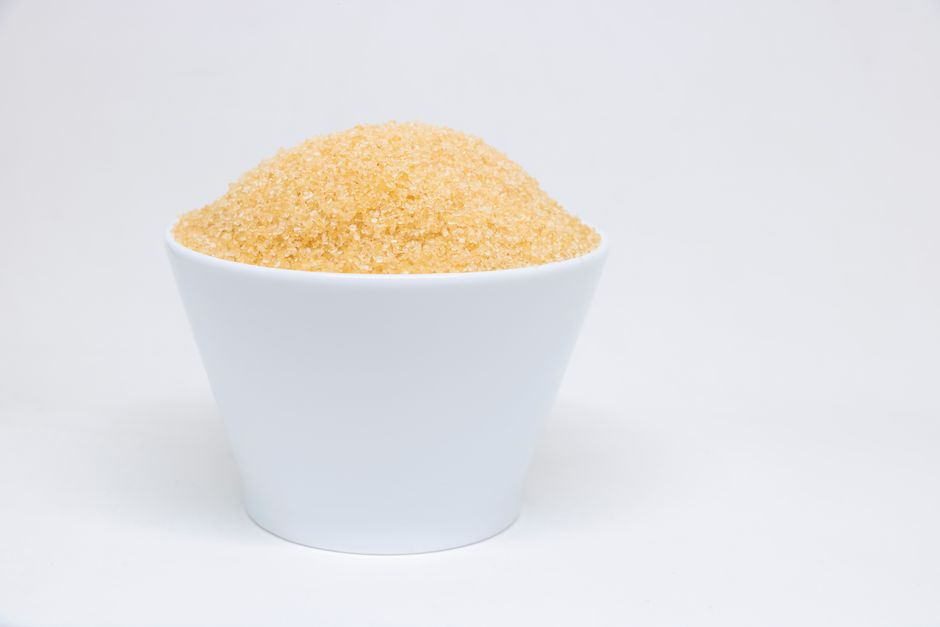
Walk down any grocery aisle and you’ll see the words “no refined sugar” on boxes of cookies, granola, and juice. The phrase has become a marketing signal, but it rarely comes with an explanation of what refined sugar actually is. Refined sugars are sugars that have been extracted and processed from a natural source, most often sugar cane or sugar beets, until they are nearly pure sucrose. The refining process strips away molasses, minerals, and plant compounds, leaving a white or lightly colored crystal that is chemically simple and highly concentrated.
That definition matters because “refined” describes how a sugar is made, not how your body responds to it. Your digestive system breaks down refined table sugar and unrefined cane sugar into the same two molecules: glucose and fructose. The difference between them is mostly about processing, trace nutrients, and how fast they enter your bloodstream.
What Are Refined Sugars?
Refined sugar is sucrose that has been separated from its original plant source and purified. Sugar cane and sugar beets both contain sucrose naturally, along with water, fiber, and small amounts of minerals. Refining removes almost everything except the sucrose.
The basic steps are similar for both plants. The raw material is crushed and the juice is extracted. That juice is clarified, filtered, and crystallized. The crystals are then washed, centrifuged, and dried. What remains is about 99.9 percent sucrose, according to standard food science references. The molasses that carried the color and trace minerals is either discarded or sold separately.
Common refined sugars include:
- White granulated sugar — the standard table sugar used in baking and beverages
- Powdered (confectioners’) sugar — white sugar ground fine with a small amount of starch
- Brown sugar — white sugar with molasses added back in
- High-fructose corn syrup — a liquid sweetener made from corn starch through enzymatic processing
- Corn syrup — glucose syrup derived from corn starch
- Dextrose and maltodextrin — refined starches and sugars used as fillers and sweeteners
Brown sugar is a useful example of how confusing labels can be. It looks less processed than white sugar, but most commercial brown sugar is refined white sugar with molasses stirred back in. It is still a refined sugar.
How Is Refined Sugar Different From Unrefined Sugar?
The nutritional gap between refined and unrefined sugar is smaller than most people assume. Unrefined sugars like raw cane sugar, turbinado, muscovado, and coconut sugar retain some molasses, which carries trace amounts of calcium, iron, potassium, and antioxidants. The amounts are tiny.
You would need to eat an unrealistic quantity of any sugar to get meaningful minerals from it. The trace nutrients in unrefined sugar do not change the fact that it is still concentrated sucrose. Nutrition researchers have pointed this out for years: the health effects of sugar come from the amount you eat, not the color of the crystal.
There is one real difference worth knowing. Unrefined sugars have a stronger flavor because of the molasses, so some people use less of them. That is a taste effect, not a metabolic one.
How Does Your Body Process Refined Sugar?
Once you eat refined sugar, digestion begins quickly. An enzyme called sucrase in your small intestine splits sucrose into glucose and fructose. Both then enter your bloodstream.
Glucose triggers the release of insulin, the hormone that moves sugar from your blood into your cells. Fructose takes a different path. It is processed mainly in the liver, and it does not stimulate insulin or the fullness hormone leptin the way glucose does. This is one reason sugary drinks can add a lot of calories without making you feel full.
This mechanism is well established in human physiology. What is debated is how much of the health harm from sugar comes from fructose specifically versus from excess calories and blood sugar swings overall. The evidence points to total intake and the food source mattering more than the type of sugar molecule alone.
What Does the Evidence Say About Refined Sugar and Health?
The strongest evidence links high intake of added sugars to dental cavities, weight gain, and increased risk of type 2 diabetes and heart disease. This is not a fringe position. Major health organizations, including the World Health Organization and the U.S. Dietary Guidelines, recommend limiting added sugars for exactly these reasons.
The WHO recommends keeping free sugars below 10 percent of total daily calories, with additional benefits suggested below 5 percent. Free sugars include refined sugar, honey, syrups, and the sugars in fruit juice and concentrates. The U.S. Dietary Guidelines recommend limiting added sugars to less than 10 percent of calories per day.
A few clarifications that often get lost:
- The problem is dose and frequency, not a single cookie.
- Sugar-sweetened beverages are the largest single source of added sugar in the typical American diet.
- Naturally occurring sugars in whole fruit come packaged with fiber and water, which slows absorption and affects how much you eat.
- “Natural” sweeteners like honey and maple syrup are still added sugars for dietary purposes.
What the evidence does not support is the idea that refined sugar is uniquely toxic compared with other sugars at the same dose. The body handles them similarly. The practical difference is that refined sugar is cheap, concentrated, and added to a huge range of processed foods, which makes overconsumption easy.
Where Is Refined Sugar Hiding in Your Food?
Refined sugar shows up in foods most people do not think of as sweet. That is where intake adds up without anyone noticing.
Common hidden sources include:
- Pasta sauce, ketchup, and barbecue sauce
- Bread, bagels, and crackers
- Flavored yogurt and most breakfast cereals
- Salad dressings and marinades
- Granola bars and protein bars
- Instant oatmeal packets
- Plant-based milks with added sweeteners
Reading the ingredient list is more reliable than reading the front of the package. Sugar appears under many names: cane sugar, cane juice, corn syrup, high-fructose corn syrup, dextrose, maltose, rice syrup, and fruit juice concentrate. If several of these appear, the total sugar content is higher than one name alone suggests.
The Nutrition Facts label lists “Added Sugars” separately from total sugars. That line is the most useful single number on the panel for tracking refined sugar intake.
Do You Need to Avoid Refined Sugar Completely?
No credible health authority recommends eliminating all sugar. Your body needs glucose to function, and your cells can produce it from other foods. The question is how much added sugar fits within an overall eating pattern.
Cutting back is more realistic than cutting out. Practical steps that show up in dietary guidance include:
- Swap sugary drinks for water or unsweetened beverages
- Choose plain yogurt and add your own fruit
- Compare labels and pick the lower-sugar version of foods you buy regularly
- Save dessert for when you actually want it rather than eating it out of habit
- Cook more meals from basic ingredients so you control the sugar
None of this requires buying expensive “refined sugar-free” products. Many of those products replace refined sugar with coconut sugar, agave, or date syrup, which are still sugars and still count toward your daily total. Some contain just as much sugar as the version they replace.
The most useful mindset is not refined versus unrefined. It is how much added sugar you eat in a day and where it comes from. That is the variable the research actually supports changing.
Frequently Asked Questions
What are refined sugars in simple terms?
Refined sugars are sugars extracted from plants like sugar cane or sugar beets and processed until they are almost pure sucrose. The refining removes molasses, minerals, and other plant compounds.
Is brown sugar a refined sugar?
Most commercial brown sugar is refined white sugar with molasses added back for color and flavor. It is still a refined sugar and counts as an added sugar in your diet.
Is honey healthier than refined sugar?
Honey contains trace amounts of minerals and antioxidants, but it is still mostly sugar and counts as an added sugar in dietary guidelines. Your body breaks it down into the same glucose and fructose.
How much refined sugar is safe to eat per day?
The World Health Organization recommends keeping free sugars below 10 percent of daily calories, with further benefit suggested below 5 percent. The U.S. Dietary Guidelines recommend limiting added sugars to less than 10 percent of calories per day.
