
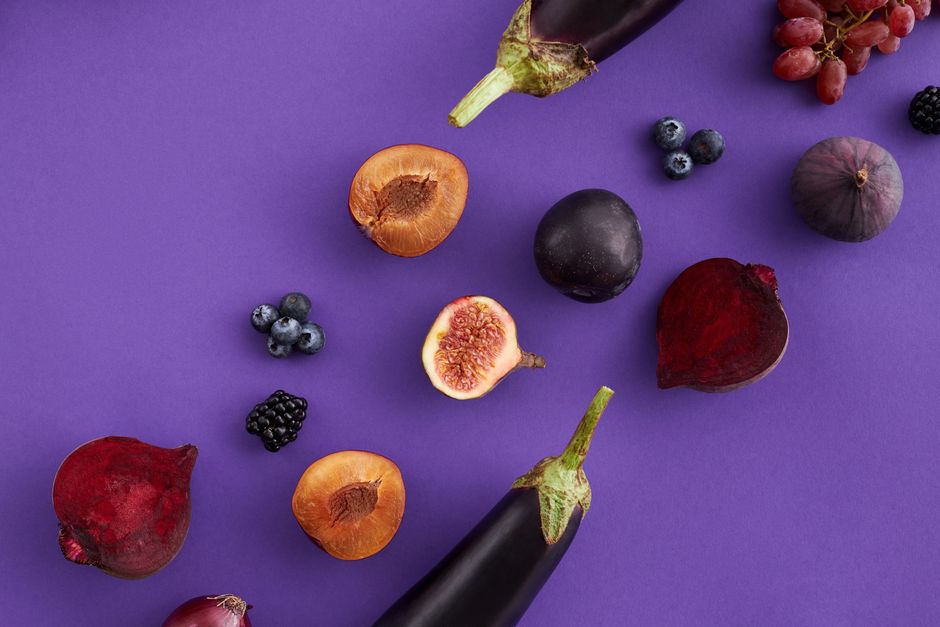
Polyphenols are natural compounds found in plants. They give many fruits, vegetables, and drinks their color, flavor, and bitterness. Researchers have identified hundreds of them, and they are among the most studied compounds in nutrition science. The evidence for their health effects is real but uneven — strong for some outcomes, weak or absent for others.
What Are Polyphenols Health Effects And Food Sources?
Polyphenols are a large family of plant chemicals defined by their molecular structure — specifically, multiple phenol rings. That structure matters because it shapes how they behave in the body, how they are absorbed, and where they end up.
They are not one substance. They are a category, and the members of that category behave differently from one another.
The main groups include:
- Flavonoids — the largest group, found in berries, tea, citrus, onions, and cocoa. Includes subclasses like flavonols, flavanols, anthocyanins, and isoflavones.
- Phenolic acids — abundant in coffee, whole grains, and many fruits. Includes chlorogenic acid and ferulic acid.
- Stilbenes — resveratrol in grapes and red wine is the best-known example.
- Lignans — found in flaxseed, sesame seeds, and whole grains.
Most people consume somewhere between several hundred milligrams and over a gram of polyphenols daily, depending on diet. Coffee, tea, fruits, and vegetables are the main contributors in typical Western diets.
The key point about polyphenols is that they are not nutrients in the classic sense. There is no deficiency disease caused by lack of polyphenols. No official daily requirement exists. They are not essential for survival the way vitamins and minerals are. That distinction matters when evaluating health claims.
How Does Your Body Actually Use Polyphenols?
Most polyphenols are poorly absorbed in their original form. This is one of the most misunderstood parts of polyphenol science.
When you eat a blueberry, the anthocyanins in it are largely not absorbed intact in the small intestine. The vast majority travel to the colon, where gut bacteria break them down into smaller compounds called metabolites. Those metabolites are what actually enter the bloodstream and reach tissues.
This means the health effects of polyphenols depend heavily on your gut bacteria. Two people can eat the same food and produce different metabolites in different amounts. That variability is one reason study results are often inconsistent.
What happens to absorbed polyphenols:
- The liver processes them rapidly. Most have a half-life of a few hours at most.
- Blood levels of intact polyphenols after eating are typically very low — often in the nanomolar range.
- Concentrations in tissues are far lower than what is used in most laboratory cell studies.
That last point is important. Many headlines about polyphenols come from studies where cells in a dish were exposed to concentrations far higher than anything achievable by eating food. Results from those studies do not automatically translate to human health effects.
What Health Effects Do Polyphenols Have — And What Is the Evidence?
The honest answer is that the evidence is strong for some things and weak for others. It varies by polyphenol, by health outcome, and by study quality.
Cardiovascular health. This is where the evidence is strongest. Observational studies consistently link diets rich in polyphenol-containing foods — especially fruits, vegetables, tea, coffee, and olive oil — with lower rates of heart disease and stroke. However, these foods contain many beneficial compounds, not just polyphenols. It is difficult to isolate the polyphenol effect from everything else in the diet.
Cocoa flavanols have been studied more directly. Some randomized controlled trials have found improvements in endothelial function — how well blood vessels dilate — and modest reductions in blood pressure. The effects are generally small. A meta-analysis published in the American Journal of Clinical Nutrition found that cocoa flavanol intake was associated with small reductions in blood pressure, though the clinical significance of these changes is debated.
Type 2 diabetes and blood sugar. Some studies suggest that certain polyphenols, particularly those in berries, tea, and coffee, are associated with lower risk of type 2 diabetes. Coffee consumption, in particular, shows a consistent inverse relationship with diabetes risk in large observational studies. Whether polyphenols are the reason is not established — coffee contains hundreds of compounds.
Cancer. This is where claims often outrun evidence. Laboratory studies show polyphenols can influence cell signaling pathways related to cancer. But human trials have not confirmed that polyphenol supplements reduce cancer risk. The evidence for prevention from dietary polyphenols is mixed and generally weak when tested in randomized trials.
Cognitive decline. Some research on berries and flavonoids suggests associations with slower cognitive decline in older adults. The evidence is early and mostly observational. No polyphenol supplement has been confirmed to prevent dementia or cognitive decline in clinical trials.
Inflammation and oxidative stress. Polyphenols have antioxidant activity in laboratory settings. But the idea that eating them directly neutralizes harmful free radicals in your body is oversimplified. The body’s own antioxidant systems are more important, and polyphenols may influence them indirectly through signaling pathways rather than direct antioxidant action.





Which Foods Have the Most Polyphenols?
Polyphenol content varies enormously by food, by variety, and by how the food is grown, stored, and prepared. The numbers below are general ranges, not precise values.
| Food | Main Polyphenol Type | Notes |
|---|---|---|
| Cloves, dried | Phenolic acids, flavonoids | Very high per gram, but eaten in tiny amounts |
| Berries (blueberry, blackberry, raspberry) | Anthocyanins | Among the highest in commonly eaten fruits |
| Dark chocolate / cocoa | Flavanols | Higher cocoa content means more flavanols |
| Coffee | Chlorogenic acid | Major daily source for many people |
| Green and black tea | Catechins, theaflavins | Black tea has different polyphenols than green |
| Red wine | Resveratrol, anthocyanins | Alcohol carries its own health risks |
| Extra virgin olive oil | Hydroxytyrosol, oleuropein | Refined olive oil has far fewer |
| Flaxseed | Lignans | Highest dietary source of lignans |
| Onions, apples, citrus | Quercetin, hesperidin | Common in everyday diets |
A practical point: the foods highest in polyphenols per gram are often herbs and spices eaten in small quantities. The foods that contribute most to your total intake are the ones you eat and drink regularly — coffee, tea, fruits, and vegetables.
Do Polyphenol Supplements Work the Same as Food?
No. And this is one of the clearest findings in the field.
When polyphenols are tested as isolated supplements in randomized controlled trials, the results have generally been disappointing. Resveratrol supplements, for example, have been studied extensively. Despite promising laboratory and animal data, human trials have not shown consistent clinical benefits for cardiovascular disease, cancer, or longevity.
There are several reasons supplements differ from food:
- Whole foods contain hundreds of polyphenols plus fiber, vitamins, and other compounds that may work together.
- Absorption and metabolism differ between isolated compounds and those consumed in a food matrix.
- Doses in supplements are often much higher than dietary intake, and higher doses are not necessarily better.
- High-dose polyphenol supplements can interfere with nutrient absorption or medications in some cases.
Some clinicians recommend polyphenol supplements for specific conditions. This is not the same as saying they are proven to work. The evidence base for most polyphenol supplements is limited, and no major health organization recommends them for disease prevention.
Are There Risks or Downsides?
Polyphenols from food are generally considered safe for most people. That said, “natural” does not mean risk-free, and there are real considerations.
Supplement interactions. Some polyphenols affect how the liver processes certain drugs. Grapefruit juice, for example, inhibits an enzyme called CYP3A4, which can raise blood levels of some medications to potentially harmful levels. This is a well-documented interaction. If you take prescription medications, this is worth discussing with your pharmacist or doctor.
Iron absorption. Polyphenols in tea and coffee can reduce iron absorption from plant foods. This matters most for people at risk of iron deficiency, particularly those who eat mostly plant-based diets. Separating tea or coffee from iron-rich meals by an hour or two can help.
High-dose supplements. Very high doses of certain polyphenol supplements have been linked to liver toxicity in rare cases. Green tea extract supplements, in particular, have been associated with liver injury in some reports. Drinking green tea has not been linked to this problem.
Anticoagulant interactions. Some polyphenols may affect blood clotting. People taking blood thinners should be cautious with high-dose polyphenol supplements.
What Is the Bottom Line for Most People?
Eating a variety of polyphenol-rich foods is reasonable and likely beneficial. The strongest evidence supports whole foods — fruits, vegetables, tea, coffee, olive oil, and cocoa — rather than supplements.
The most honest summary is this: diets rich in these foods are consistently associated with better health outcomes. Whether polyphenols are the primary reason, a contributing factor, or a marker of an overall healthy diet is not fully resolved. The food is the safe bet. The supplement is not.
No single food or compound will determine your health. The pattern of what you eat over years matters more than any individual component.
Frequently Asked Questions
What are the main food sources of polyphenols?
The richest common sources are berries, coffee, tea, dark chocolate, red wine, extra virgin olive oil, flaxseed, and colorful vegetables like onions and citrus. Herbs and spices such as cloves and oregano are extremely high per gram but eaten in small amounts.
Do polyphenol supplements provide the same benefits as food?
No. Human trials of isolated polyphenol supplements have generally not shown the benefits seen with polyphenol-rich diets. Whole foods contain many compounds that may work together, and supplements are not recommended by major health organizations for disease prevention.
Can polyphenols help prevent heart disease?
Diets rich in polyphenol-containing foods are consistently linked with lower heart disease rates in observational studies. Some randomized trials on cocoa flavanols show small improvements in blood vessel function and blood pressure, but the effects are modest.
Are polyphenols safe for everyone?
Polyphenols from food are generally safe for most people. However, they can interact with certain medications, reduce iron absorption from plant foods, and high-dose supplements have been linked to rare liver injury in some cases.
