
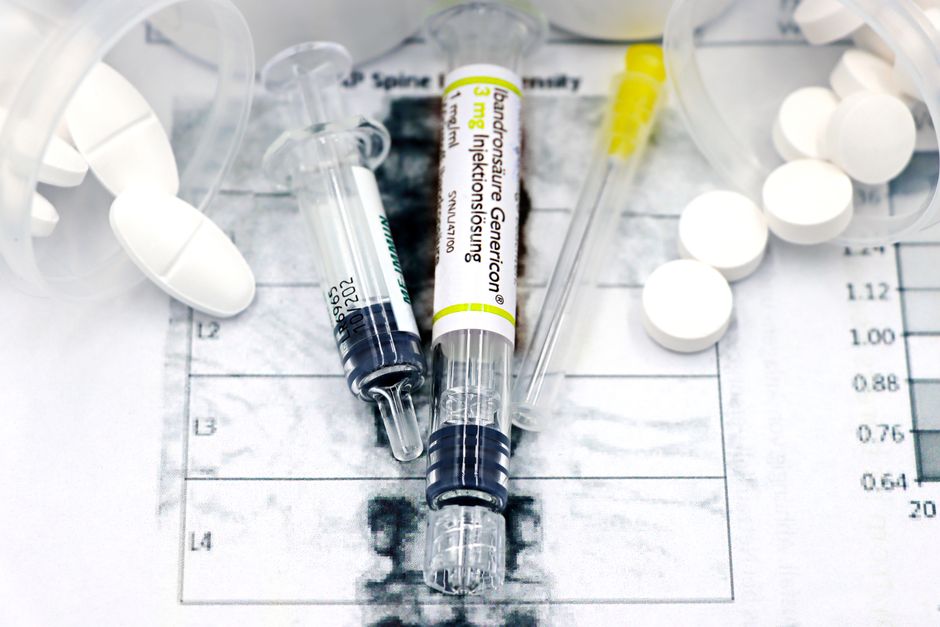
Hormone therapy can be confusing, especially when you hear about pellets and injections. These are two different ways to deliver hormones into your body, and they are not the same thing. Pellet therapy involves tiny implants placed under the skin, while injections deliver hormones directly into muscle or fat with a needle.
What Are Pellet Injections For Hormone Therapy?
Pellet injections are not actually injections. The name is misleading. Pellet therapy involves a small procedure where a clinician makes a tiny incision and inserts a rice-sized pellet under the skin, usually in the hip or buttock area. The pellet slowly releases hormones over several weeks or months.
Traditional hormone injections are different. They involve drawing liquid hormones into a syringe and injecting them into a muscle or under the skin. Injections typically happen weekly or every few weeks, depending on the medication.
Both methods deliver bioidentical hormones like estrogen or testosterone. But the experience, the dosing schedule, and the way your body responds can be very different.
How Do Hormone Pellets Work?
Pellets are made of compressed, crystallized hormones. Once placed under the skin, the body absorbs the hormone gradually. The release rate is fairly steady, which means hormone levels stay more consistent compared to injections.
Injections create a spike in hormone levels shortly after the shot, followed by a gradual decline until the next dose. Some people notice this cycle. They may feel great for a few days after an injection, then feel a drop in energy or mood before the next one.
Pellets avoid that rollercoaster effect. Because the hormone is released continuously, many people report more stable energy, mood, and libido throughout the month.
The procedure to insert pellets takes about 10 to 15 minutes. The area is numbed with local anesthetic. The clinician makes a small incision, inserts the pellet with a specialized tool, and closes the wound with a stitch or medical glue. Most people return to normal activity the same day.
What Conditions Are Pellets Used For?
Doctors prescribe pellet therapy primarily for symptoms related to hormone decline. In women, that often means symptoms of menopause or perimenopause. Hot flashes, night sweats, low libido, fatigue, and mood changes are common reasons women seek treatment.
In men, testosterone pellets are used for hypogonadism, a condition where the body does not produce enough testosterone. Symptoms include low energy, reduced muscle mass, low sex drive, and difficulty concentrating.
Some clinics also offer pellet therapy for thyroid hormones or adrenal hormones, but this is far less common and not as well studied. The strongest evidence for pellet therapy involves estrogen and testosterone.
Pellet therapy is not approved by the FDA for hormone replacement. That does not mean it is unsafe, but it does mean the pellets have not undergone the same rigorous clinical trials as FDA-approved medications.
Hormone Pellets vs. Injections: Which Is Better?
There is no universal answer. The right choice depends on your health history, your preferences, and how your body responds to treatment.
Injections offer more control. If you have a side effect, the dose wears off quickly. You can adjust the dose more easily. Injections are also typically less expensive than pellets.
Pellets offer convenience. Once the pellet is in, you do not have to think about it for months. There are no weekly shots to remember. The steady hormone levels are a genuine advantage for some people.
Pellets also carry some risks that injections do not. The insertion site can become infected. The pellet can extrude, meaning it pushes back out through the skin. Scar tissue can form over time with repeated insertions. If you have a bad reaction, the pellet cannot be easily removed. You must wait for it to dissolve.
| Feature | Pellets | Injections |
|---|---|---|
| Administration | Inserted under skin by a clinician | Self-administered with a needle |
| Frequency | Every 3 to 6 months | Every 1 to 4 weeks |
| Hormone levels | Steady and consistent | Peak and decline between doses |
| Adjustability | Hard to adjust mid-cycle | Easy to adjust with next dose |
| Cost | Higher upfront cost | Lower cost per dose |
| Reversibility | Cannot be removed easily | Wears off quickly |
What Are the Risks of Pellet Therapy?
All hormone therapy carries risks. The specific risks depend on the hormone, the dose, and your personal health history.
For estrogen therapy, the risks include blood clots, stroke, and certain types of cancer. These risks are well documented in research on oral estrogen. Whether pellet estrogen carries the same risks is not fully known because fewer studies have been done on pellets specifically.
For testosterone therapy, the risks include acne, fluid retention, sleep apnea, and an increase in red blood cell count. High red blood cell counts can raise the risk of blood clots. This is a well-established risk for testosterone injections, and it applies to pellets as well.
Local risks are unique to pellets. Infection at the insertion site is possible. The pellet can be felt under the skin if it is placed too shallowly. Some people develop a small scar or dimple at the insertion site. In rare cases, the pellet can migrate from where it was placed.
One important point: pellet dosing is not standardized. Different clinics use different doses. A dose that works for one person may be too high or too low for another. Because pellets cannot be removed, an incorrect dose means living with the side effects until the pellet dissolves.
Who Should Not Use Hormone Pellets?
Some people should not use pellet therapy at all. Anyone with a history of hormone-sensitive cancers, such as breast, uterine, or prostate cancer, should avoid hormone therapy unless their oncologist specifically approves it.
People with a history of blood clots, liver disease, or uncontrolled heart conditions should be evaluated carefully before starting any hormone therapy. Pregnant women or women trying to become pregnant should not use estrogen pellets.
If you have a bleeding disorder or take blood thinners, the insertion procedure carries extra risk. The small incision may bleed more than expected, and the wound may take longer to heal.
Always tell your clinician your full medical history before starting pellet therapy. Do not withhold information about past cancers, blood clots, or current medications.
What to Expect When Getting Hormone Pellets
The process starts with a consultation and blood work. Your clinician will check your current hormone levels and discuss your symptoms. This baseline helps determine the starting dose.
On the day of insertion, you will lie on your stomach or side. The clinician cleans the area and numbs it. You may feel a pinch from the numbing injection, but the insertion itself should not hurt.
After the procedure, you may have some soreness or bruising at the site. This is normal and usually resolves within a few days. You will be told to keep the area clean and dry for 24 to 48 hours.
Hormone levels typically rise over the first few weeks. Some people notice improvements within a week. Others need a month or more to feel the full effect. Your clinician will likely check your hormone levels again after a few weeks to confirm the dose is appropriate.
If your levels are too low, you may need a second pellet. If they are too high, there is little to do except wait. This is why starting with a conservative dose is common practice among careful clinicians.
How Long Do Hormone Pellets Last?
Most pellets last between 3 and 6 months. The exact duration depends on the dose, the hormone, and how quickly your body metabolizes it. Some people metabolize hormones faster than others, so their pellets wear off sooner.
You will know the pellet is wearing off when your original symptoms return. Low energy, mood changes, or reduced libido are common signals. Your clinician can then insert a new pellet.
Do not try to remove a pellet yourself. If you experience pain, swelling, or signs of infection at the insertion site, contact your clinician right away.
Frequently Asked Questions
Are hormone pellets safer than injections?
Neither method is inherently safer. Both carry risks related to the hormone itself, and pellets add local risks like infection or extrusion. Your personal health history matters more than the delivery method.
Do hormone pellets hurt?
The insertion is done with local numbing, so most people feel little to no pain during the procedure. You may feel soreness or bruising at the site for a few days afterward.
Can pellets be removed if I have a bad reaction?
Removal is difficult and not always practical. The pellet dissolves gradually, so if you have side effects, you may need to wait for it to wear off. This is why starting with a low dose is important.
How much do hormone pellets cost?
Costs vary widely by clinic and region. Pellets are typically more expensive than injections because of the procedure and the clinician time involved. Check with your clinic for exact pricing.
