
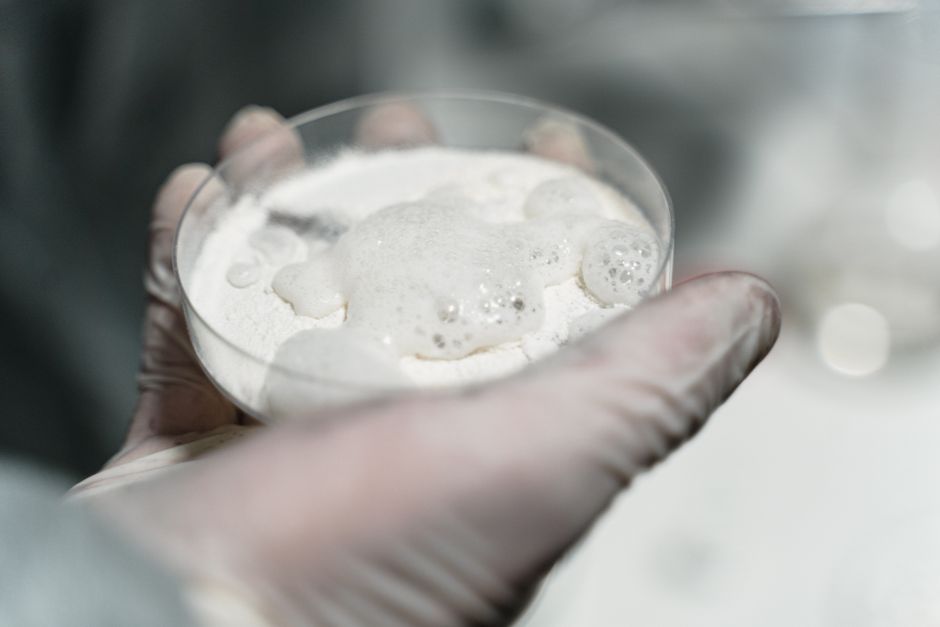
Pasteurized egg whites are liquid or dried egg whites that have been heat-treated to kill harmful bacteria while keeping the protein largely intact. They are sold in cartons in the refrigerated section and are used in cooking, baking, and high-protein diets. The main draw is safety and convenience: you get egg white protein without cracking shells, and without the Salmonella risk that comes with raw eggs.
What Are Pasteurized Egg Whites Safety Nutrition Uses?
Pasteurization is a controlled heat process. Egg whites are heated to a temperature high enough to destroy pathogens like Salmonella, but low enough and brief enough that the proteins don’t fully coagulate. That’s why the liquid stays pourable instead of turning solid like a cooked egg.
The process is regulated. In the United States, egg products sold as pasteurized must meet federal standards for the heat treatment, and cartons are required to carry handling instructions. Pasteurized does not mean sterile, and it does not mean the product keeps forever. It means the bacterial load has been reduced to a level considered safe under the specified handling conditions.
Nutritionally, pasteurized egg whites are close to raw egg whites. The protein content is essentially unchanged. One thing that does change: the heat treatment damages some of the proteins slightly, which can affect how well they whip into foam compared to raw whites. For meringues and angel food cake, that matters. For scrambling, protein shakes, and baking, it usually doesn’t.
Is Pasteurized Egg White Powder the Same as Liquid?
No. Powdered pasteurized egg whites are a different product with different behavior. The whites are pasteurized, then dried into a powder. This removes most of the water, concentrates the protein by weight, and gives the product a much longer shelf life at room temperature.
The trade-off is solubility and texture. Powdered whites don’t reconstitute into something identical to fresh liquid whites. They work well in protein shakes, baking, and recipes where you’re mixing them into something else. They are less suited to dishes where the egg white is the star and texture matters.
Liquid pasteurized whites, by contrast, behave more like fresh whites. They can be scrambled, used in omelets, or added to batters. Their refrigerated shelf life is shorter than powder but longer than shell eggs in many cases, though you should always follow the date on the carton.
- Liquid pasteurized whites: refrigerated, shorter shelf life, closer to fresh texture, good for cooking and baking
- Powdered pasteurized whites: shelf-stable, concentrated protein, best for shakes and mixed recipes, texture differs from fresh
How Much Protein Is in Pasteurized Egg Whites?
Egg whites are roughly 90% water and about 10% protein by weight. The protein is almost entirely albumin, a high-quality complete protein containing all nine essential amino acids.
According to USDA nutritional data, one large raw egg white contains about 3.6 grams of protein and roughly 17 calories. Pasteurized liquid egg whites are nutritionally similar per equivalent volume, though you should check the specific carton because brands vary in concentration and added ingredients.
Some liquid egg white products contain added ingredients like guar gum or triethyl citrate to maintain texture and shelf life. These are generally recognized as safe, but they mean the product isn’t pure egg white. If you’re avoiding additives, read the ingredient list.
Powdered egg whites are far more concentrated. A typical serving provides a much higher protein dose per gram because the water has been removed. The exact amount depends entirely on the brand, so the label is your source of truth here.
Are Pasteurized Egg Whites Safe to Eat Raw?
Pasteurized egg whites are considered safe to consume without cooking, according to federal food safety guidance, because the pasteurization process kills Salmonella and other pathogens. This is the main reason they exist as a product category. People who want raw egg whites in smoothies or protein drinks can use them without the bacterial risk of raw shell eggs.
That said, “safe from pathogens” is not the same as “safe for everyone in every amount.” Raw egg whites contain a protein called avidin that binds to biotin, a B vitamin. Cooking denatures avidin and neutralizes this effect. Pasteurization uses lower heat than cooking, so some avidin activity may remain.
Eating large amounts of uncooked egg white regularly over time could, in theory, interfere with biotin absorption. This is well documented in the scientific literature as a concern with raw egg whites, though the amounts and duration needed to cause a clinical deficiency are not precisely established for pasteurized products. Occasional use in a smoothie is a different matter from drinking raw egg whites daily. If you eat them raw regularly, that’s worth knowing.
People with weakened immune systems, pregnant women, young children, and older adults should follow general food safety guidance for their situation. Pasteurized products reduce risk but don’t eliminate every concern for every person. When in doubt, cooking is the safer choice.
Who Should Avoid Pasteurized Egg Whites?
Anyone with an egg allergy should avoid them. Pasteurization does not remove the proteins that trigger allergic reactions. In fact, the main allergenic proteins in egg white are heat-stable, meaning cooking or pasteurizing doesn’t reliably make them safe for allergic individuals. If you have a diagnosed egg allergy, these products are not for you.
People with biotin deficiency or those taking biotin-related medications should be cautious with raw pasteurized whites, for the avidin reason above. Cooking resolves this.
Anyone following a sodium-restricted diet should check labels. Some liquid egg white products contain added sodium or other additives. Plain egg whites are naturally low in sodium, but processed versions vary.
There is no clinical guidance establishing a safe upper limit for raw pasteurized egg white consumption in pregnant women, infants, or children. If you’re in one of these groups, follow your healthcare provider’s advice rather than assuming pasteurized means unrestricted.
Do Pasteurized Egg Whites Work in Baking and Cooking?
For most cooking, yes. Scrambled, in omelets, in batters, in protein shakes — pasteurized liquid whites perform close to fresh. The heat treatment is mild enough that the proteins still set when cooked.
Where they fall short is in recipes that depend on raw egg white foam structure. Meringues, macarons, and angel food cake rely on whipping air into the protein. Pasteurized whites can whip, but the foam is often less stable and less voluminous than with fresh whites. Some bakers add cream of tartar or use a copper bowl to compensate. Results vary by brand and by how the product was processed.
Powdered whites are even less suited to foam-based recipes unless specifically formulated for that use. Read the product’s intended applications before assuming it substitutes one-for-one.
Pasteurized vs. Fresh Egg Whites: How Do They Compare?
| Feature | Pasteurized Liquid Whites | Fresh Shell Egg Whites |
|---|---|---|
| Pathogen risk | Reduced by pasteurization | Raw eggs carry Salmonella risk |
| Protein per large white | Similar to fresh (check label) | About 3.6 g (USDA) |
| Convenience | No cracking, no waste | Requires separating |
| Whipping/foam | Often less stable | Best foam structure |
| Shelf life | Per carton date, refrigerated | Per carton date, refrigerated |
| Additives | Some brands add gums or stabilizers | None |
The honest summary: pasteurized whites win on safety and convenience, fresh whites win on foam performance. Nutritionally they’re close enough that the choice comes down to how you’re using them.
What Should You Look For on the Label?
Check three things. First, confirm the product says pasteurized — this is the safety guarantee. Second, read the ingredient list. Pure egg whites should list egg whites and nothing else, or perhaps a small amount of a stabilizer. Third, check the protein content per serving, since brands concentrate their products differently.
Also check whether the product is liquid or powdered, since they’re not interchangeable in recipes. And check the date and storage instructions. Pasteurized products still require refrigeration unless they’re specifically shelf-stable powdered versions.
Frequently Asked Questions
Are pasteurized egg whites safe to drink raw?
Yes, they are considered safe to consume without cooking because pasteurization kills pathogens like Salmonella. However, raw egg whites contain avidin, which can interfere with biotin absorption if consumed in large amounts regularly.
How much protein is in pasteurized egg whites?
Liquid pasteurized egg whites are nutritionally similar to fresh whites, which contain about 3.6 grams of protein per large white according to USDA data. Powdered versions are more concentrated, so check the specific product label.
Can you use pasteurized egg whites for meringue?
They can be whipped, but the foam is often less stable and less voluminous than with fresh egg whites. Results vary by brand, and some bakers use cream of tartar to improve stability.
Are pasteurized egg whites the same as egg white powder?
No, they are different products. Liquid pasteurized whites are refrigerated and behave more like fresh whites, while powdered whites are dried, shelf-stable, and more concentrated in protein.
