
Oxygen saturation is the percentage of your red blood cells that are currently carrying oxygen. A healthy reading for most people at sea level is between 95% and 100%. Doctors use it as a quick, painless way to check whether your lungs are moving enough oxygen into your bloodstream and whether your heart and circulation are delivering it where it needs to go.
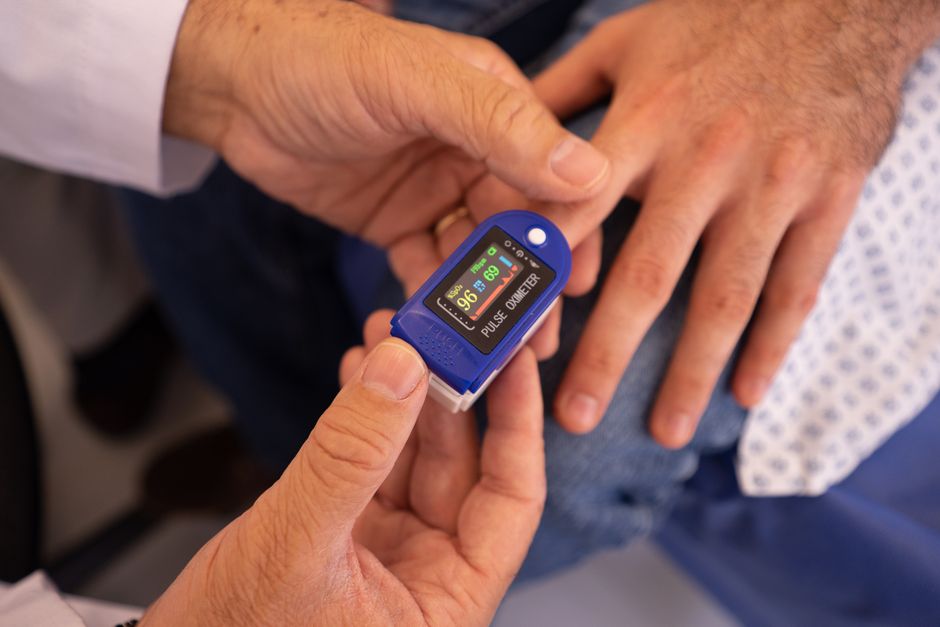
The test itself is simple. A small device clips onto your finger and shines light through the tissue. The light is absorbed differently by blood that is carrying oxygen than by blood that is not. The device compares the two and displays a number. That number is your oxygen saturation, often written as SpO2.
What Are Oxygen Saturations and What Do the Numbers Mean?
Oxygen saturation measures how much of the hemoglobin in your blood is bound to oxygen. Hemoglobin is the protein inside red blood cells that picks up oxygen in your lungs and carries it to your tissues. When hemoglobin is fully loaded, it is called saturated.
At sea level, a normal reading is generally 95% to 100%. A reading between 90% and 94% is often considered low and worth discussing with a doctor. Below 90% is generally considered a concern that needs prompt medical attention. These thresholds come from standard clinical practice and are widely used, though the exact cutoff for “low” can vary slightly depending on the source and the person’s baseline health.
One important point that often gets lost: a single number does not tell the whole story. Your oxygen saturation can be normal while your breathing is still in trouble, and it can dip slightly during sleep or at high altitude without meaning anything is wrong. Context matters as much as the number itself.
How Is Oxygen Saturation Measured?
The most common method is pulse oximetry. A device called a pulse oximeter clips onto your finger, earlobe, or toe. It sends two wavelengths of light through the tissue and measures how much is absorbed. Because oxygen-rich blood absorbs light differently than oxygen-poor blood, the device can estimate the percentage of hemoglobin carrying oxygen.
Pulse oximeters also show your pulse rate. They are used in hospitals, clinics, and increasingly at home. They are non-invasive, painless, and give a reading within seconds.
A more precise but invasive method is arterial blood gas testing. This involves drawing blood from an artery, usually in the wrist. It measures oxygen saturation directly, along with other values like carbon dioxide and blood pH. This test is typically used in hospitals when precise measurements are needed, such as in serious illness or during surgery.
What Can Cause Low Oxygen Saturation?
Low oxygen saturation, sometimes called hypoxemia, happens when something interferes with the flow of oxygen from the air into your blood. The causes fall into a few broad categories.
- Lung conditions: Pneumonia, chronic obstructive pulmonary disease (COPD), asthma, and pulmonary fibrosis can all reduce the lungs’ ability to transfer oxygen.
- Heart conditions: Certain heart defects or heart failure can affect how well blood circulates through the lungs.
- Sleep apnea: Repeated pauses in breathing during sleep can cause oxygen levels to drop, sometimes significantly.
- High altitude: At higher elevations, there is less oxygen in the air, so saturation naturally runs lower.
- Blood disorders: Anemia and other conditions affecting hemoglobin can reduce oxygen-carrying capacity.
Some of these causes are temporary and treatable. Others are chronic and require ongoing management. The underlying cause matters far more than the number alone.





What Symptoms Go Along With Low Oxygen Levels?
When oxygen saturation drops, the body often signals distress. Common symptoms include shortness of breath, rapid breathing, chest pain, confusion or difficulty concentrating, headache, and a bluish tint to the lips, fingertips, or skin. That bluish color, called cyanosis, is a sign of serious oxygen deprivation and requires emergency care.
Not everyone with low saturation feels obvious symptoms, though. Some people, especially those with chronic lung disease, adapt over time and may not notice subtle drops. This is one reason pulse oximetry is useful. It can catch a problem before symptoms become severe.
On the other hand, symptoms without a low reading can still be significant. Shortness of breath with a normal oxygen saturation is common in conditions like anxiety, asthma, and heart problems. The number is a tool, not a diagnosis.
When Should You Check Your Oxygen Saturation at Home?
Home pulse oximeters are widely available and relatively inexpensive. They can be useful for people with known lung or heart conditions, those recovering from respiratory illness, or anyone monitoring a chronic condition at home.
But home devices have limits. They can be affected by cold hands, poor circulation, nail polish, and movement. Skin pigmentation can also affect accuracy. Research has shown that pulse oximeters may read slightly higher in people with darker skin tones, which could delay recognition of low oxygen levels. This is a recognized limitation, and it is one reason a reading should always be interpreted alongside symptoms and clinical judgment.
If you use a home oximeter and get a reading that concerns you, do not rely on it alone. Repeat the measurement, warm your hands, and remove any nail polish. If the reading stays low or you feel unwell, seek medical advice.
What Is a Normal Oxygen Saturation by Age?
For most healthy adults and children at sea level, a normal oxygen saturation is 95% to 100%. This range is consistent across age groups in general, though newborns and infants may have slightly different normal values in the first hours and days after birth.
For premature infants and newborns, oxygen saturation targets are set carefully by clinicians. Both too little and too much oxygen can be harmful in this population, so targets are managed individually. No universal home-monitoring guideline exists for healthy infants, and decisions about monitoring should be made with a pediatrician.
In older adults, the normal range remains the same, but underlying health conditions become more common and can affect readings. Age alone does not change the normal range.
What Does It Mean If Your Oxygen Saturation Is Borderline?
A reading between 90% and 94% is often called borderline. It does not automatically mean something is wrong, but it is worth paying attention to. Some people naturally run slightly lower than others. Others may have a temporary dip due to a cold, mild respiratory infection, or being at high altitude.
The key question is whether the reading is a change from your normal baseline and whether you have symptoms. A borderline reading with no symptoms in someone who feels well is different from the same reading in someone who is short of breath or confused.
If you are unsure, contact a healthcare provider. They can assess your symptoms, repeat the measurement with a clinical-grade device, and decide whether further testing is needed.
Can Oxygen Saturation Be Too High?
Yes, oxygen saturation can be too high, but this almost always happens with supplemental oxygen, not with normal breathing. When a person receives extra oxygen through a mask or nasal cannula, their saturation can rise above 100% on the device display, though the actual value cannot exceed 100%.
In most healthy people, breathing room air will not cause saturation to go above 100%. The concern with high saturation is mainly in certain clinical situations, such as in premature infants or people with severe lung disease, where too much supplemental oxygen can cause harm. This is why oxygen therapy is typically adjusted to target a specific range rather than given at maximum output.
Why Oxygen Saturation Matters in Everyday Health
Oxygen saturation is one of the body’s most basic vital signs. It reflects how well your lungs, heart, and circulation are working together to keep your tissues supplied. A normal reading is reassuring, but it is not a guarantee of good health. A low reading is a signal to look deeper.
Understanding what the number means, what can affect it, and when to seek help puts you in a better position to act on it. It is a simple measurement with real value, as long as it is interpreted with context and common sense.
Frequently Asked Questions
What is a normal oxygen saturation level?
For most healthy adults and children at sea level, a normal oxygen saturation is 95% to 100%. Readings between 90% and 94% are often considered low and worth discussing with a doctor.
Can I check my oxygen saturation at home?
Yes, home pulse oximeters are widely available and can give a rough estimate of your oxygen saturation. However, they can be affected by cold hands, nail polish, movement, and skin pigmentation, so readings should be interpreted with caution.
What causes low oxygen saturation?
Low oxygen saturation can be caused by lung conditions like pneumonia or COPD, heart problems, sleep apnea, high altitude, or blood disorders such as anemia. The underlying cause determines the right treatment.
When should I worry about my oxygen saturation?
A reading below 90% is generally considered a concern that needs prompt medical attention, especially if you have symptoms like shortness of breath, confusion, or bluish lips. If you are unsure, contact a healthcare provider.
