
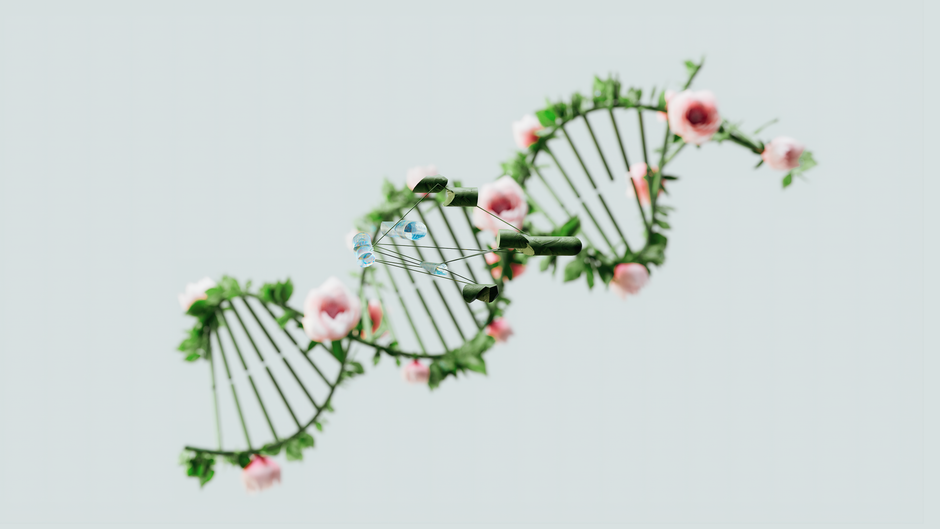
You have probably heard of genomics. Maybe you have heard of proteomics. These are part of a larger family of sciences called “omics.” Omics is the study of life’s molecules on a massive scale. Instead of looking at one gene or one protein at a time, omics looks at the whole collection at once. This big-picture view is changing how we understand health, disease, and medicine.
The word “omics” simply refers to the study of the entirety of a biological system. Genomics is the study of your complete set of DNA. Proteomics is the study of all the proteins your cells make. Beyond those two, there are many other “omes.” These include the microbiome, the metabolome, and the transcriptome. Together, these fields are helping doctors move from a one-size-fits-all approach to more personalized care.
What Are Omics Genomics Proteomics And Beyond?
Omics is an umbrella term. It covers any biological field that ends in “omics.” The goal is always the same: measure and understand an entire class of molecules. Genomics looks at the genome, which is your complete DNA instruction book. Proteomics looks at the proteome, which is the full set of proteins active in your cells at a given time.
The “beyond” part covers several other fields. Transcriptomics studies RNA molecules that carry instructions from DNA. Metabolomics measures small molecules called metabolites that are the products of cellular processes. Microbiomics looks at the genetic material of all the bacteria, viruses, and fungi living in and on your body. Lipidomics focuses on fats and lipids. Each field adds a different layer of information about what is happening inside you.
Think of it like this. Genomics tells you what could happen based on your DNA. Transcriptomics tells you what your cells are reading right now. Proteomics tells you what is actually working in your cells. Metabolomics tells you what has already happened based on the chemical leftovers. Together they give a full story of your biology.
Why Is Genomics the Most Established Omics Field?
Genomics got an early start. The Human Genome Project, completed in 2003, mapped the entire human DNA sequence. That project took more than a decade and cost billions of dollars. Today, sequencing a human genome costs a few hundred dollars and takes about a day. This dramatic drop in cost made genomics the foundation for all other omics fields.
Your genome contains roughly 20,000 genes. These genes are segments of DNA that carry instructions for making proteins. But your genome is not just genes. It also includes regulatory regions that control when and how genes are turned on or off. Genomics studies all of it.
One important point: your genome is mostly stable. It does not change much over your lifetime. This makes it useful for identifying inherited risk factors. For example, certain gene variants are linked to higher risk for breast cancer or heart disease. But having a risk variant does not mean you will definitely develop the disease. It simply means your baseline risk is higher than average.
Genomics has limitations. Your DNA sequence alone cannot tell you what is happening in your body right now. You might have a gene for an enzyme, but that does not tell you if the enzyme is being made, or if it is working properly. That is where other omics fields come in.
How Does Proteomics Differ From Genomics?
Proteomics is more complex than genomics for a simple reason: one gene can produce many different proteins. This happens through a process called alternative splicing. A single gene can be read in different ways, creating different protein versions. Estimates suggest the human body may contain over a million distinct protein forms, even though we only have about 20,000 genes.
Proteins are the workers of your cells. They build tissues, carry oxygen, fight infections, and digest food. Enzymes are proteins that speed up chemical reactions. Antibodies are proteins that neutralize threats. Hormones like insulin are proteins that send signals. If you want to know what your body is actually doing, you need to look at proteins.
Proteomics faces technical challenges. Proteins cannot be copied or amplified like DNA. Researchers must extract, separate, and identify them from complex biological samples like blood or tissue. Mass spectrometry is the main tool used for this work. It can identify thousands of proteins in a single sample.
Unlike your genome, your proteome changes constantly. It shifts based on what you ate, how you slept, whether you are fighting an infection, and thousands of other factors. This makes proteomics a dynamic snapshot rather than a fixed blueprint. Some researchers describe the proteome as the bridge between your genetic potential and your actual health.
What Do Transcriptomics and Metabolomics Add?
Transcriptomics sits between genomics and proteomics. It measures RNA molecules. When a gene is active, it is first copied into RNA. This copy is called a transcript. By measuring all the transcripts in a sample, researchers can see which genes are switched on and how strongly they are being expressed.
Transcriptomics is useful because it catches changes that genomics misses. Two people can have identical genes but different gene activity. This can happen due to environment, lifestyle, or disease. Transcriptomics reveals these differences in real time.
Metabolomics goes one step further. It measures the actual chemical products of metabolism. These include sugars, amino acids, fatty acids, and other small molecules. Your metabolome reflects the combined influence of your genes, your diet, your gut bacteria, and your environment. It is the closest omics field to your immediate physical state.
Metabolomics has practical applications today. Newborn screening programs use a form of metabolomics to test babies for rare metabolic disorders. A small blood sample can be checked for dozens of conditions at once. Outside of screening, metabolomics is helping researchers identify biomarkers for diseases like diabetes and kidney disease.
How Does Microbiomics Fit Into the Picture?
Microbiomics studies the microorganisms living in and on your body. These include bacteria, viruses, fungi, and other microbes. The collection of their genetic material is called the microbiome. Most of these microbes live in your gut, but they also inhabit your skin, mouth, and other surfaces.
Your body contains roughly the same number of microbial cells as human cells. These microbes are not passive passengers. They help digest food, produce vitamins, train your immune system, and protect against harmful pathogens. Research has linked the gut microbiome to conditions ranging from obesity to depression, though much of this research is still early.
Microbiomics is different from other omics fields because it studies organisms that are not you. Your genome is fixed at conception. Your microbiome changes throughout your life. Diet, antibiotics, stress, and age all shape which microbes thrive. This makes the microbiome a potential target for interventions, such as probiotics or dietary changes.
Some caution is warranted. Many microbiome studies show associations, not cause and effect. A finding that people with a certain disease have different gut bacteria does not prove the bacteria caused the disease. The disease could have altered the microbiome instead. Large clinical trials are still needed to confirm whether changing the microbiome can treat or prevent specific conditions.
What Are Omics Used For in Medicine Today?
Omics is already changing clinical care in several areas. The strongest example is oncology. Tumor genomics can identify specific mutations driving a patient’s cancer. This allows doctors to choose targeted therapies that attack those specific mutations. This approach, called precision medicine, has improved outcomes for several cancer types including lung cancer, melanoma, and leukemia.
Pharmacogenomics is another established application. This field studies how your genes affect your response to drugs. Some people metabolize certain medications too quickly or too slowly due to gene variants. Knowing this in advance helps doctors choose the right drug and the right dose. This reduces the risk of side effects and improves treatment effectiveness.
Rare disease diagnosis is a major success story for genomics. Patients who spent years without a diagnosis can now undergo whole-genome sequencing. In many cases, this identifies a single genetic cause. Some studies suggest that genomic sequencing provides a diagnosis for 25 to 50 percent of patients with suspected rare genetic conditions.
Omics is also being used in infectious disease management. During the COVID-19 pandemic, genomic sequencing tracked viral variants as they emerged. This informed public health decisions about vaccines and treatments. In hospital settings, rapid sequencing of pathogens can identify drug-resistant bacteria and guide antibiotic choices.
For healthy individuals, omics is more limited. Direct-to-consumer genetic tests can tell you about ancestry and some health risk variants. But most omics testing remains in the research domain. A full proteomic or metabolomic profile is not yet a standard part of routine checkups. The evidence for using these tests to guide everyday health decisions is still developing.
What Are the Limits of Omics Research?
Omics generates enormous amounts of data. A single human genome sequence produces about 100 gigabytes of raw data. Proteomics and metabolomics experiments produce similarly large datasets. Analyzing this information requires powerful computers and specialized statistical methods. This has given rise to a field called bioinformatics, which develops tools to make sense of omics data.
Data alone does not equal understanding. Identifying thousands of molecules is one thing. Knowing what they mean is another. Many omics findings are associations. They show that a molecule is different in people with a disease. They do not prove the molecule causes the disease or that changing it would help.
Reproducibility is a genuine concern. Some omics studies are difficult to replicate. Small sample sizes, differences in laboratory techniques, and variations in data analysis can all produce inconsistent results. The scientific community has been working to address these issues through standardized protocols and larger collaborative studies.
Cost remains a barrier for many omics applications. While genome sequencing has become affordable, other omics tests are still expensive. A comprehensive proteomic analysis can cost thousands of dollars. This limits widespread clinical use, especially in resource-limited settings.
Privacy is another consideration. Your genome is uniquely identifying. It contains information about your health risks that could affect family members. Protections like the Genetic Information Nondiscrimination Act in the United States prevent health insurers and employers from using genetic information to discriminate. However, as omics data becomes more common, privacy frameworks will need to evolve.
Frequently Asked Questions
What is the difference between genomics and genetics?
Genetics studies single genes and how traits are inherited. Genomics studies the entire genome, including all genes and their interactions, at once.
Which omics field is most useful for personalized medicine?
Genomics is currently the most clinically useful because it guides cancer treatment and drug dosing decisions. Proteomics and metabolomics are promising but are still mostly used in research settings.
Can omics testing predict my future health?
Genomics can identify inherited risk factors for certain diseases, but it cannot predict whether you will definitely develop them. Most diseases result from a combination of genes, environment, and lifestyle.
Is the microbiome considered part of the human genome?
No. The microbiome is the genetic material of the microorganisms living in and on your body, not your own DNA. It is studied separately under the field of microbiomics.
