
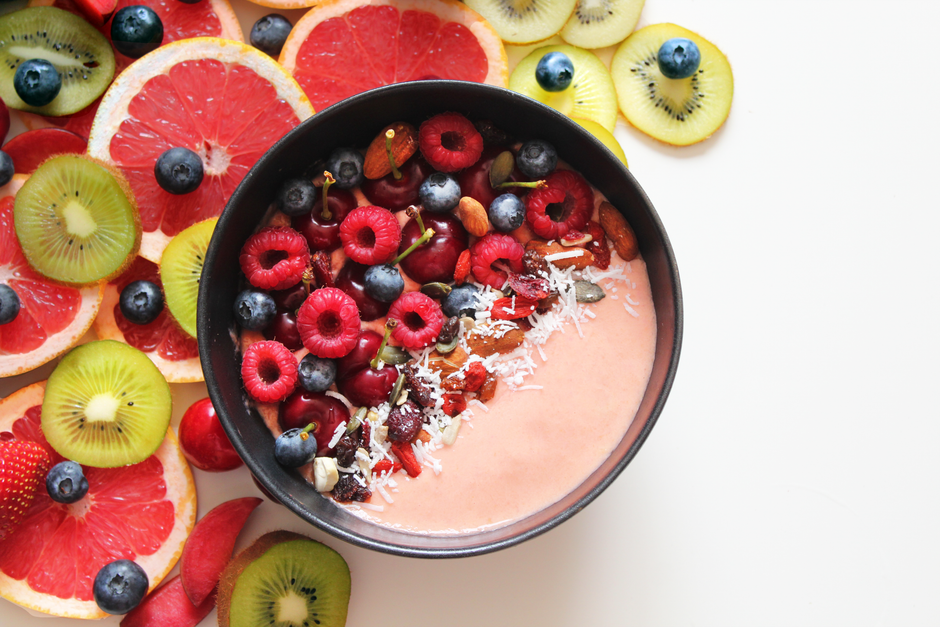
Two foods can have the same number of calories and do completely different things for your body. That difference is what nutrient density is about. Nutrient dense foods are foods that deliver a high amount of vitamins, minerals, protein, fiber, and other beneficial compounds relative to the calories they contain. Examples include leafy greens, beans, eggs, fish, plain yogurt, and berries. The opposite are calorie-dense but nutrient-poor foods, like soda and most packaged snacks.
That definition sounds simple, but the details matter. Nutrient density is not a single number you can look up on a label. It is a way of comparing foods based on what they give you per calorie. Understanding how it works helps you make better choices without counting every gram.
What Are Nutrient Dense Foods Definition And Examples?
Nutrient density is the amount of nutrients a food provides per unit of energy. A food is nutrient dense when it packs a meaningful amount of vitamins, minerals, protein, fiber, or healthy fats into relatively few calories.
There is no official cutoff that separates “nutrient dense” from “not nutrient dense.” Nutrition researchers have proposed scoring systems, but none is universally accepted. In practice, the concept is used to compare foods and shift your overall pattern of eating toward ones that give you more nutrition per bite.
Common examples of nutrient dense foods include:
- Leafy greens like spinach, kale, and collards
- Beans, lentils, and chickpeas
- Eggs
- Fish such as salmon and sardines
- Plain yogurt and other unsweetened dairy
- Berries
- Nuts and seeds
- Whole grains like oats and brown rice
- Lean meats and poultry
- Vegetables of all kinds, especially brightly colored ones
Notice that this list crosses food groups. Nutrient density is not about being “clean” or avoiding entire categories. It is about the ratio of nutrients to calories within whatever you eat.
How Do You Measure Nutrient Density?
There is no single agreed-upon formula. Several scoring methods exist, and they can rank foods differently. That is worth knowing, because a food that scores high on one system may score lower on another.
Some approaches focus on a short list of “priority” nutrients, like fiber, protein, potassium, and certain vitamins. Others weigh a broader set of micronutrients against calories. The USDA’s FoodData Central database provides the underlying nutrient values that these methods draw from, but the scoring itself is a researcher’s choice, not an official standard.
A practical takeaway: you do not need to calculate a score to eat well. The concept is most useful as a general direction, not a precise measurement. Foods that are mostly water and fiber with plenty of vitamins tend to rank high. Foods that are mostly added sugar and refined fat tend to rank low.
One non-obvious point: nutrient density and healthfulness are related but not identical. A food can be nutrient dense and still cause problems for some people. For example, some nutrient-rich foods are high in substances certain people need to limit. Nutrient density is one lens, not the whole picture.
Why Does Nutrient Density Matter for Health?
Most people have a calorie budget, whether they think about it or not. Your body needs a certain amount of energy to function, and that amount depends on your size, activity, and metabolism. Within that budget, you need enough of the nutrients your body cannot make on its own.
If a large share of your calories comes from foods low in nutrients, you can end up short on key vitamins and minerals even while eating plenty of food. This is sometimes called “hidden hunger” — getting enough calories but not enough nutrition. It is more common than many people realize, including among people who are not underweight.
Eating a nutrient-dense pattern is associated with better health outcomes in large population studies. Diets rich in vegetables, fruits, whole grains, legumes, and fish have consistently been linked to lower rates of several chronic diseases. That said, these studies show association, not proof that any single food causes a specific outcome. The overall pattern matters more than any one item.





What Is the Difference Between Nutrient Density and Calorie Density?
These two ideas are often confused, but they point in opposite directions. Calorie density is how many calories a food has per gram of weight. Nutrient density is how many nutrients a food has per calorie. A food can be both, neither, or one without the other.
| Food | Calorie Density | Nutrient Density |
|---|---|---|
| Spinach | Very low | High |
| Salmon | Moderate | High |
| Nuts | High | High |
| Soda | Moderate | Very low |
| Potato chips | High | Low |
Nuts are a good example of the distinction. They are calorie dense, meaning a small handful carries a lot of energy. But they are also nutrient dense, providing protein, healthy fats, fiber, and minerals. Calorie density alone does not tell you whether a food is worth eating.
Understanding both helps you build meals. Foods that are low in calories and high in nutrients, like vegetables, let you eat a larger volume for fewer calories. Foods that are high in both, like nuts and olive oil, are worth including but in smaller amounts.
Which Foods Are the Most Nutrient Dense?
There is no ranked list that everyone agrees on, but some foods appear near the top across most scoring systems. These tend to be foods that are high in several nutrients at once while being low in calories or providing strong nutrient-to-calorie ratios.
Organ meats like liver are among the most nutrient-rich foods by almost any measure. They are exceptionally high in vitamin A, iron, and B vitamins. They are also not for everyone — some people avoid them for taste or other reasons, and pregnant women are generally advised to limit liver because of its very high vitamin A content.
Other foods that consistently score high include:
- Dark leafy greens
- Shellfish like oysters and mussels
- Eggs, especially the yolks
- Fatty fish
- Legumes
- Berries and other colorful fruits
It is worth noting that “most nutrient dense” is not the same as “eat only these.” A healthy diet includes a range of foods. The goal is to make nutrient-dense choices a regular part of your eating, not to chase a ranking.
How Can You Add More Nutrient Dense Foods to Your Diet?
You do not need to overhaul everything at once. Small swaps tend to stick better than dramatic changes.
Start with what you already eat and look for ways to increase the nutrient-to-calorie ratio. If you eat white rice, try mixing in brown rice or lentils. If you snack on chips, try nuts or fruit some of the time. If you drink sugary beverages, water or unsweetened drinks are an easy upgrade.
Practical starting points:
- Add a vegetable to meals where it is easy, like a handful of spinach in a soup or eggs
- Choose plain yogurt over sweetened versions and add your own fruit
- Keep beans and lentils on hand as a cheap, nutrient-dense protein source
- Include fish once or twice a week if you eat seafood
- Snack on nuts, seeds, or fruit instead of packaged snacks when you can
There is a real caution here. Nutrient-dense foods are not automatically safe or appropriate for everyone. People with certain medical conditions, such as kidney disease, may need to limit specific nutrients like potassium or phosphorus, which are plentiful in many nutrient-dense foods. Anyone with a diagnosed condition should follow guidance from their own clinician rather than a general list.
Also, more nutrient-dense is not always better in every case. Very high intakes of certain nutrients, particularly from supplements or organ meats, can be harmful. Food-based nutrient density is generally a safe direction, but extremes are not the goal.
Does Nutrient Density Mean You Should Avoid Certain Foods?
No. Nutrient density is a tool for comparison, not a rule that bans foods. Foods that are low in nutrient density can still fit into a balanced diet. The issue is proportion, not presence.
The word “empty calories” gets used a lot. It refers to foods that provide energy with few or no nutrients. That does not make them poison. It means they do not help you meet your nutrient needs, so they should not crowd out foods that do. A reasonable approach is to make nutrient-dense foods the base of your eating and treat low-nutrient foods as occasional extras.
One clarification worth making: processed does not automatically mean low in nutrient density. Some processed foods, like plain canned beans, frozen vegetables, and plain yogurt, are nutrient dense. The processing matters less than what the food actually contains. Judging a food by whether it is “processed” can mislead you in both directions.
Frequently Asked Questions
What is the definition of nutrient dense foods?
Nutrient dense foods provide a high amount of vitamins, minerals, protein, fiber, or healthy fats relative to their calories. There is no official cutoff, but the concept compares foods by how much nutrition they deliver per calorie.
What are five examples of nutrient dense foods?
Five common examples are spinach, lentils, eggs, salmon, and plain yogurt. Berries, nuts, and whole grains are also frequently included.
Are nuts nutrient dense even though they are high in calories?
Yes. Nuts are calorie dense but also nutrient dense, providing protein, healthy fats, fiber, and minerals. They are worth including in smaller portions because a little goes a long way.
Is a food with more nutrients always the healthier choice?
Not always. Nutrient density is one factor, and some people need to limit certain nutrients for medical reasons. The overall pattern of your diet matters more than any single food.
