
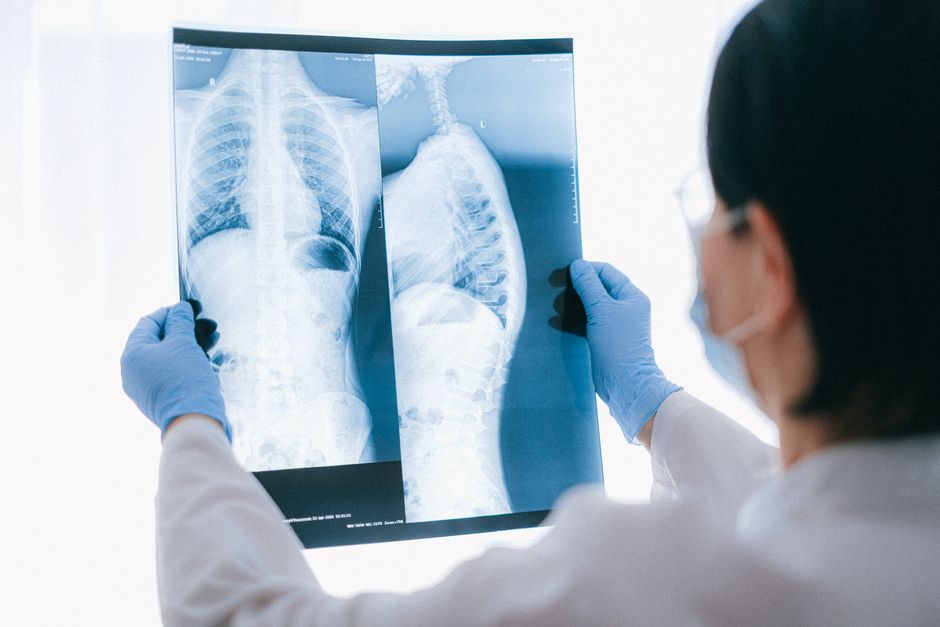
A lung nodule is a small, round growth in the lung that shows up on imaging scans like X-rays or CT scans. Most lung nodules are benign, meaning they are not cancer. In fact, the vast majority of these spots are harmless and often go unnoticed because they cause no symptoms at all.
What Are Nodules On Lungs?
A lung nodule, sometimes called a pulmonary nodule, is a spot of abnormal tissue that is usually smaller than 3 centimeters across. These spots appear as white or gray shadows on imaging scans. Most are smaller than 1 centimeter, which is about the size of a pea or a small grape.
Finding a nodule can feel alarming, but the odds are in your favor. Studies consistently show that over 95 percent of lung nodules found on screening scans are benign. The risk of cancer increases with size, but most nodules are small and non-threatening.
Nodules are often found by accident. You might get a chest X-ray for an unrelated reason—like a persistent cough or a pre-surgical check—and the radiologist spots the nodule. This is called an incidental finding, and it is very common.
What Causes Lung Nodules?
Many conditions can create a spot on the lung. The most common cause is a healed infection. When your body fights off a respiratory infection, it can leave behind a small scar or a calcified spot. These are harmless and permanent.
Other causes include:
- Granulomas: Small clusters of immune cells that form after an infection like tuberculosis or a fungal infection.
- Benign tumors: Growths like hamartomas that are not cancer and do not spread.
- Inflammation: Conditions like rheumatoid arthritis or sarcoidosis can cause inflammatory spots in the lungs.
- Blood vessel abnormalities: Sometimes a malformed blood vessel can look like a nodule on a scan.
In a smaller number of cases, a nodule is an early lung cancer. The risk depends on several factors including your age, smoking history, and the nodule’s size and shape.
How Are Lung Nodules Evaluated?
When a nodule is found, your doctor will look at its size, shape, and location to decide what to do next. The most important factor is size. Larger nodules carry a higher risk of being malignant, so they get more attention.
Your doctor will also compare the nodule to any previous scans you have. If you have an old scan that shows the nodule was there and unchanged for two years or more, that is a strong sign it is benign. Stability over time is one of the best indicators that a nodule is not cancer.
The shape matters too. Nodules with smooth, round edges are more likely to be benign. Nodules with irregular or spiculated edges—meaning they have jagged or spiky borders—are more concerning and need closer evaluation.





What Happens After a Nodule Is Found?
Most nodules do not need immediate surgery or biopsy. Instead, your doctor will likely recommend a follow-up scan to watch it over time. This is called surveillance. The timing of the follow-up depends on the nodule’s size and your personal risk factors.
For small nodules—under 6 millimeters—your doctor may suggest a repeat scan in 6 to 12 months. For slightly larger nodules, the follow-up may be sooner. If the nodule stays the same size over two years, it is almost certainly benign and you can stop worrying about it.
If a nodule grows or looks suspicious, your doctor may order additional tests. These can include:
- PET scan: A scan that shows how active the tissue is metabolically. Cancer cells tend to be more active.
- Bronchoscopy: A thin tube with a camera is passed through your airways to look at the nodule.
- Biopsy: A small sample of tissue is removed and examined under a microscope.
These tests are not needed for every nodule. Most people with small, stable nodules never need any of them.
What Are the Risk Factors for a Malignant Nodule?
Certain factors raise the chance that a nodule is cancer. The strongest risk factor is smoking. The more you smoke and the longer you have smoked, the higher your risk. Current smokers have a higher risk than former smokers.
Age matters too. Lung cancer is rare in people under 35 and becomes more common with age. A nodule in a 60-year-old smoker is far more concerning than the same nodule in a 30-year-old non-smoker.
Other risk factors include:
- A personal history of cancer: Especially lung, head, or neck cancer.
- A family history of lung cancer: Having a first-degree relative with lung cancer raises your risk.
- Exposure to asbestos or radon: Both are known lung carcinogens.
- Chronic lung disease: Conditions like COPD or pulmonary fibrosis increase risk.
Your doctor will use all these factors together with the nodule’s appearance to estimate your personal risk. There are clinical tools that help calculate this, but your doctor will explain the results in plain terms.
Can Lung Nodules Be Prevented?
There is no way to prevent a nodule from forming. Most are the result of past infections or harmless growths that you cannot control. What you can control is your overall lung health and cancer risk.
The single most important thing you can do is not smoke. If you do smoke, quitting is the best step. The risk of lung cancer drops significantly after quitting, and it continues to decline over time. Even long-term smokers benefit from quitting at any age.
Testing your home for radon is another practical step. Radon is a colorless, odorless gas that is the second leading cause of lung cancer. Simple test kits are available at hardware stores and online. If levels are high, professional mitigation can fix the problem.
For people at high risk, lung cancer screening with low-dose CT is recommended. This is for adults aged 50 to 80 who have a significant smoking history. Screening can find nodules early, when they are most treatable. Talk to your doctor about whether you qualify.
What Does a Lung Nodule Feel Like?
Most lung nodules cause no symptoms at all. They are too small to press on airways or nerves, and they do not interfere with breathing. This is why they are usually found by accident during imaging for something else.
When symptoms do occur, they are more common with larger nodules or nodules that are cancerous. Symptoms can include a cough that does not go away, coughing up blood, chest pain, shortness of breath, or repeated respiratory infections. These symptoms are not specific to nodules and can have many other causes.
If you have been told you have a nodule and you feel fine, that is the norm. Not having symptoms is a good sign, not a reason for concern.
When Should You Worry About a Lung Nodule?
The honest answer is that most nodules are not worth losing sleep over. The follow-up plan your doctor gives you is based on solid evidence about what is safe and what needs attention. Following that plan is the best thing you can do.
You should be more concerned if you are a current or former smoker, if the nodule is large, or if it grows between scans. These are the situations where a nodule is more likely to be malignant, and they are exactly when your doctor will recommend closer monitoring or further testing.
But even in these cases, finding a nodule early is an opportunity. Early-stage lung cancer is highly treatable. The surveillance system exists to catch problems at a point where intervention can make a real difference.
If you have symptoms like coughing up blood, unexplained weight loss, or persistent chest pain, contact your doctor promptly. These symptoms warrant evaluation regardless of what your last scan showed.
Frequently Asked Questions
How common are lung nodules?
Lung nodules are very common, especially as people age. Up to half of long-term smokers who get CT scans will have at least one nodule, and most of these are benign.
Can a lung nodule go away on its own?
Yes. Some nodules, particularly those caused by inflammation or a resolving infection, can shrink or disappear over time. This is a good sign and confirms the nodule was not cancer.
How fast do lung nodules grow if they are cancer?
Most lung cancers grow slowly, with doubling times typically ranging from a few months to over a year. This is why follow-up scans are spaced months apart—it allows doctors to detect growth without unnecessary testing.
Do I need surgery to remove a lung nodule?
Most nodules do not require surgery. Surgery is reserved for nodules that are highly suspicious or confirmed to be cancer. The vast majority of nodules are managed with imaging follow-up alone.
