
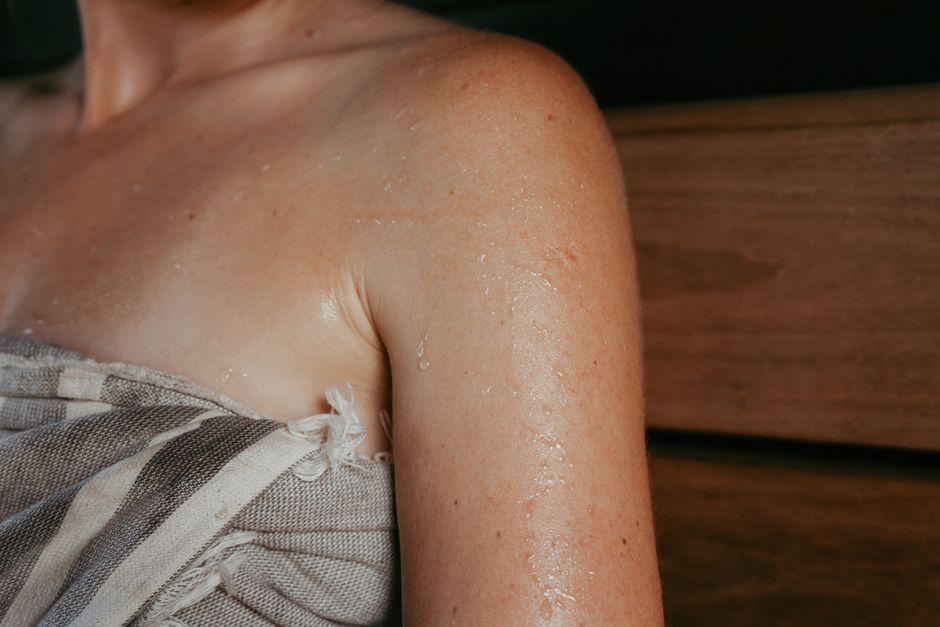
You wake up and your pajamas are soaked. The pillowcase is damp. The room isn’t hot, yet you’re wet enough that you have to change the sheets. That’s a night sweat. Doctors define night sweats as episodes of heavy sweating during sleep that are severe enough to soak your clothing or bedding — and that happen even when your bedroom is cool. It’s not the same as feeling warm under a heavy duvet. It’s sweating that seems out of proportion to the conditions around you.
Occasional night sweats are common and usually harmless. Persistent ones — especially when they come with fever, weight loss, or drenching that happens most nights — deserve a medical look. The causes range from the ordinary (hormones, medications, a warm room) to conditions that need treatment. This guide covers what’s known, what’s uncertain, and when to get checked.
What Are Night Sweats?
Night sweats are repeated episodes of excessive sweating during sleep that soak through sleepwear or bedding, regardless of room temperature. They are a symptom, not a disease. Something else — a hormone shift, an infection, a medication, or a medical condition — is usually driving them.
Your body has about two to four million sweat glands. When your core temperature rises, your nervous system signals these glands to release sweat, which cools you as it evaporates. At night, your core temperature naturally drops a little as part of your sleep cycle. Night sweats happen when that cooling system gets triggered when it shouldn’t be.
One thing worth clearing up: night sweats and hot flashes overlap but aren’t identical. A hot flash is the sudden wave of heat itself. The sweat that follows is the body’s response. Many people have both. Some have drenching sweat without the flash sensation.
How Do You Tell Night Sweats From Just Being Too Warm?
The key difference is proportionality. If your room is hot, your blankets are heavy, or you’re wearing thick pajamas, sweating is normal. Your body is doing its job. Night sweats are sweating that doesn’t match those conditions.
Doctors often use a practical rule: if you have to change your clothes or bedding because of sweat, and the room wasn’t the reason, that counts. Waking up damp once after a fever or a very warm night isn’t usually a concern. A pattern of drenching sweats over weeks is different.
Keeping a simple log can help. Note the date, how wet you got, the room temperature, what you wore, and anything else going on — new medications, stress, recent illness. This record is genuinely useful when you see a clinician, because night sweats have many possible causes and the pattern helps narrow them.
What Causes Night Sweats?
The causes fall into a few broad groups. Most are not serious, but a few are, which is why persistent night sweats get investigated rather than dismissed.
Hormonal changes
This is one of the most common causes, especially in people going through menopause. Falling estrogen levels affect the body’s temperature regulation, and the result is hot flashes and night sweats. Some research suggests night sweats can continue for years after the final menstrual period, not just during the transition. Hormonal shifts around perimenopause are a frequent explanation for sweats that start in the 40s and 50s.
Men can have hormonal contributors too. Low testosterone is sometimes linked to night sweats, though the evidence is less consistent than for menopause.
Medications
Quite a few drugs list sweating as a side effect. Antidepressants, some pain medications, steroids, and medications for diabetes or hormone therapy are among them. If sweats started after a new prescription, that timing is worth mentioning to your doctor. Never stop a medication on your own — the fix is usually a conversation, not a decision made alone.
Infections
Night sweats are a classic symptom of some infections, including tuberculosis and some other chronic infections. This is one reason doctors take persistent night sweats seriously. Fever, cough, or unintentional weight loss alongside sweats raises the priority of ruling out infection.
Other medical conditions
Several conditions can cause night sweats:
- Low blood sugar — especially in people with diabetes, particularly at night
- Overactive thyroid — an overactive thyroid speeds up metabolism and can cause sweating
- Anxiety and stress — the nervous system’s stress response can trigger sweating
- Some cancers — lymphoma is the best-known example, often alongside fever and weight loss
- Reflux — some people sweat with nighttime acid reflux
- Sleep disorders — including sleep apnea, though the link is not fully understood
Alcohol use, especially heavy drinking close to bedtime, can also trigger sweating. So can withdrawal from alcohol or other substances.
When Should You See a Doctor About Night Sweats?
See a doctor if night sweats happen often, soak your bedding, or come with other symptoms. The “other symptoms” part matters most. Night sweats alone are often benign. Night sweats plus certain red flags need a timely evaluation.
Seek medical attention if you have night sweats along with any of these:
- Unexplained fever
- Weight loss you didn’t intend
- Persistent cough
- Swollen lymph nodes
- Drenching sweats that happen most nights
- Sweats that started after a new medication
- Fatigue that doesn’t improve with rest
If you have diabetes and take insulin or certain medications, nighttime sweating can be a sign of low blood sugar. That’s worth acting on promptly. Check your blood sugar if you can, and follow the plan your care team gave you for low readings.
For most people, an occasional damp night isn’t an emergency. The pattern and the company the sweats keep — fever, weight loss, swollen glands — are what guide urgency.
What Happens at a Doctor’s Visit for Night Sweats?
There’s no single test for night sweats. A clinician starts with your history: when the sweats began, how often, how severe, what medications you take, and whether you have other symptoms. Bring your log if you kept one.
Expect questions about your menstrual history if relevant, your alcohol use, and any recent travel or illnesses. A physical exam may check for fever, swollen lymph nodes, and thyroid enlargement.
Depending on what turns up, tests might include blood work, thyroid function tests, blood sugar checks, or imaging. The goal is to rule out the causes that need treatment and identify the ones that can be managed. Many people never get a single definitive answer — the workup rules out serious causes, and the sweats are managed or simply fade.
What Can You Do About Night Sweats at Home?
Some simple changes reduce the discomfort, even if they don’t address the underlying cause. These are practical steps, not treatments.
- Keep the bedroom cool and well ventilated
- Choose light, breathable bedding and sleepwear — cotton or moisture-wicking fabrics
- Layer bedding so you can remove covers without waking fully
- Avoid alcohol close to bedtime
- Keep a towel and a change of clothes by the bed
- Note triggers — spicy food, caffeine, or stress may play a role for some people
These steps help with comfort. They don’t fix a hormonal cause, an infection, or a medication side effect. If sweats are frequent, the home fixes are a bridge to getting the real cause checked, not a substitute for it.
Are Night Sweats Ever a Sign of Something Serious?
Sometimes, yes. That’s why persistent night sweats get taken seriously rather than shrugged off. But the honest picture is that most night sweats are not cancer or a dangerous infection. Menopause, medications, and benign causes account for a large share.
The conditions doctors most want to rule out are infections like tuberculosis, some cancers (lymphoma especially), and hormonal or metabolic problems like an overactive thyroid. These are uncommon relative to the everyday causes, but they’re the reason a persistent pattern deserves a look.
What makes a cause more concerning is the company it keeps. Night sweats alone, in an otherwise well person, are usually not alarming. Night sweats with fever, weight loss, or swollen lymph nodes change the picture and warrant prompt evaluation.
Do Night Sweats Mean You Have a Hormone Problem?
Not necessarily. Hormones are a common cause, especially around menopause, but they’re one thread in a larger picture. Sweats that begin in your 40s or 50s, come in waves, and are accompanied by other changes like irregular periods or mood shifts point toward a hormonal explanation.
Sweats that start suddenly, come with fever, or appear after a new medication point elsewhere. Age and timing are clues, not proof. A clinician can sort out which direction to look.
One clarification worth making: night sweats are not a reliable sign of any single hormone level. You can’t diagnose low estrogen or low testosterone from sweats alone. Lab testing, when needed, tells the story.
Frequently Asked Questions
Are night sweats a sign of cancer?
Rarely, but they can be. Night sweats are a known symptom of lymphoma, usually alongside fever and unexplained weight loss, so persistent drenching sweats with those features should be checked.
What is the most common cause of night sweats?
Hormonal changes, especially around menopause, are among the most common causes. Medications and infections are also frequent contributors.
When should I worry about night sweats?
Worry is reasonable when sweats are frequent, soak your bedding, or come with fever, weight loss, swollen lymph nodes, or a persistent cough. Those combinations warrant a prompt medical visit.
Can stress cause night sweats?
Yes. The body’s stress response can trigger sweating, including at night. Stress-related sweats are usually less drenching than those from hormonal or medical causes.
