
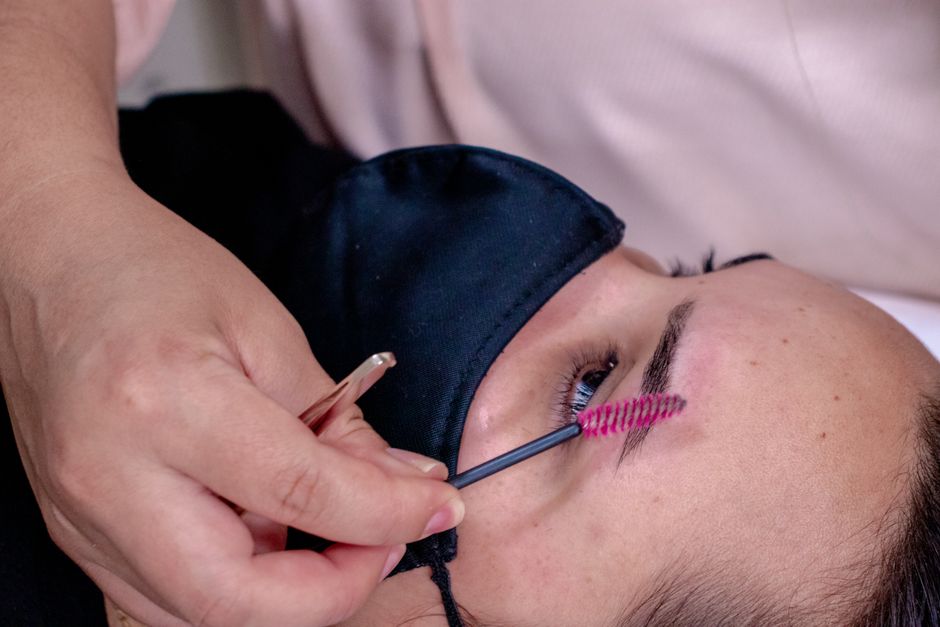
Nano brows are a semi-permanent cosmetic tattoo technique that uses a fine, single-needle machine to deposit pigment into the upper layers of the skin in hair-like strokes. The goal is to create the look of individual eyebrow hairs rather than a solid, filled-in shape. The technique is a newer variation of microblading, but it uses a machine instead of a handheld blade.
Both methods create the appearance of fuller brows. The main differences come down to the tool, how the pigment enters the skin, and who may be a good candidate for each.
What Are Nano Brows and How Do They Work?
Nano brows are a form of cosmetic tattooing, also called permanent makeup. A trained artist uses a digital machine with a very thin needle — often a single needle — to place pigment into the skin. The needle creates tiny strokes that mimic natural brow hairs.
The word “nano” refers to the small size of the needle and the fine detail it can produce. Because the needle is so thin, the strokes can look finer than those made by some other techniques.
This is a procedure that deposits pigment into the skin. It is not the same as a temporary tint or a pencil you wash off at night. Results can last a long time, though how long varies from person to person.
It helps to understand the skin itself. The upper layer, the epidermis, is thin. Below it sits the dermis, which contains blood vessels, nerves, and collagen. Cosmetic tattooing places pigment in the upper part of the dermis. That is why the color stays for months or years rather than fading in days.
How Is This Different From Microblading?
Microblading uses a handheld tool with a row of tiny blades. The artist manually draws strokes by cutting small lines into the skin and pushing pigment in. Nano brows use a machine that moves the needle rapidly up and down as the artist draws.
Both aim for the same hair-stroke look. The difference is in the tool and the motion.
Some artists and clients say the machine method is less traumatic to the skin because the needle moves quickly and creates a cleaner entry. That claim is common in the industry, but it has not been confirmed by large independent studies comparing the two methods directly. What is fair to say is that the two techniques use different tools and require different training.
One practical difference involves skin type. Microblading strokes can blur over time on oily skin, because oil can cause pigment to spread. Some artists prefer machine-based methods for clients with oilier skin for this reason. Again, this is widely reported in the field rather than proven in controlled trials.
Neither method is permanent in the way a body tattoo often is. Both typically need touch-ups, and both fade over time.
What Happens During a Nano Brow Appointment?
A session usually starts with a consultation. The artist looks at your natural brows, discusses shape and color, and may draw a proposed outline so you can approve it before any pigment is applied.
Most appointments follow a similar flow:
- Cleaning the brow area and marking a shape you agree on
- Applying a topical numbing product, which may be left on for a period before starting
- Using the machine to create fine strokes with pigment
- Wiping away excess pigment and checking the result as work continues
- Reviewing aftercare instructions before you leave
Discomfort varies. Many people describe it as scratching or mild stinging. A numbing cream can reduce it, but it does not remove all sensation. How much you feel depends on your pain tolerance and how much numbing is used.
The first session can take a couple of hours, though this varies with the artist and the amount of work. A follow-up appointment is commonly scheduled several weeks later. This second session is often called a touch-up or perfecting session. It allows the artist to add pigment where the first pass faded or did not take evenly.
Healing is a process, not a single event. The treated area typically goes through stages: it may look darker at first, then flake or peel, then appear lighter, and finally settle into its longer-term color. The full settling period usually takes a few weeks. Individual healing times differ.





Who Is a Good Candidate and Who Should Avoid It?
Nano brows suit many people who want fuller-looking brows, including those with sparse hair, uneven shape, or gaps from over-plucking or a medical condition. But not everyone is a good candidate.
People who are pregnant or breastfeeding are generally advised to wait. No clinical guidelines establish that cosmetic tattooing is safe during pregnancy or breastfeeding, and many artists decline to perform it for this reason. If you are pregnant or breastfeeding, talk to your doctor before booking.
Other situations that commonly call for caution or delay include:
- Active skin conditions in the brow area, such as eczema, psoriasis, or an infection
- Known allergies to pigments or numbing products
- Blood-thinning medications, which can increase bleeding and affect results
- Certain medical conditions that affect healing or immune function
- A history of keloid scarring
If you have a health condition or take medication, check with your doctor first. A responsible artist will also ask about your health history.
Age matters too. Some artists set a minimum age, and for anyone under 18, rules vary by state. No national standard governs this, so requirements depend on where you live and the artist’s own policy.
What Are the Risks and Possible Complications?
Any procedure that breaks the skin carries some risk. For cosmetic tattooing, the main concerns are infection, allergic reaction, and unsatisfactory results.
Infection is possible if the equipment is not sterile or if aftercare is poor. Reputable artists use single-use needles and follow sanitation standards. If you develop spreading redness, swelling, warmth, or pus, seek medical care.
Allergic reactions to pigments can happen. They may appear soon after the procedure or, in some cases, much later. Reactions to permanent makeup pigments have been reported in the medical literature, though they are uncommon. If you have known sensitivities, tell your artist and consider a patch test if one is offered. A patch test does not guarantee you will not react, but it can help identify some sensitivities.
Other possible issues include:
- Uneven color or patchy pigment take
- Strokes that blur or spread over time
- Scarring, especially in people prone to it
- Color that shifts or fades in an unexpected way
- Need for removal if you dislike the result
Removal is worth thinking about before you start. Laser removal is possible for cosmetic tattoos, but it can be costly, may take multiple sessions, and does not always fully clear the pigment. Because results can last a long time, it is reasonable to treat this as a lasting decision rather than a quick fix.
How Long Do Results Last and What Does Aftercare Involve?
Results vary widely. Many people get a result that lasts roughly one to three years before a refresh is needed, but this is an estimate, not a guarantee. Several factors affect how long pigment stays visible:
- Skin type — oily skin tends to hold pigment differently than dry skin
- Sun exposure, which can fade pigment faster
- Skincare products, including those with exfoliating acids or retinoids
- How well you follow aftercare in the first weeks
- Your individual healing and how your skin holds pigment
Aftercare matters for how the result turns out. Artists generally give specific instructions, which commonly include keeping the area clean, avoiding heavy sweating and swimming for a period, and protecting the area from sun. They usually advise against picking or scratching as the area flakes. Picking can pull pigment out and lead to patchy results.
Sun protection is a recurring theme. Ultraviolet light can fade tattoo pigment over time, so sun protection on the brow area can help the result last longer.
How Do You Choose a Qualified Artist?
Because rules vary by state, the training and licensing required to perform cosmetic tattooing differ depending on where you are. Some places require a license and specific training. Others have fewer requirements. That means the burden often falls on you to check credentials.
Some things worth doing before booking:
- Confirm what licensing or certification your state or local health department requires
- Ask about the artist’s training and how long they have performed this specific technique
- Look at healed photos, not just fresh ones — fresh work looks different from settled results
- Ask about needle and equipment sanitation practices
- Ask what happens if you need a correction or a touch-up, and what it costs
Healed photos matter because fresh tattoos look darker and sharper than the final result. A portfolio of healed work gives a more honest picture of what you can expect.
Cost is another factor. Prices vary widely by region, artist, and how much work is needed. A low price is not automatically a good deal, and a high price is not a guarantee of quality. What matters more is training, sanitation, and a portfolio you can trust.
Does the Evidence Support the Claims?
Here is where honesty matters. Cosmetic tattooing, including nano brows, is widely performed, but it has not been the subject of large, rigorous clinical trials comparing techniques and long-term outcomes. Much of what is known comes from clinical reports, dermatology literature on permanent makeup reactions, and the practical experience of practitioners.
That does not mean the technique is unproven in the sense of being fake. It clearly does deposit pigment that lasts. What is less certain is how the different methods compare to each other, and how any single method performs across all skin types over many years.
So when you see strong claims — that one method is painless, that it never needs a touch-up, or that it is completely risk-free — treat those with caution. No procedure that breaks the skin is risk-free, and no cosmetic tattoo lasts forever without upkeep.
Frequently Asked Questions
Are nano brows the same as microblading?
No, they are different techniques that aim for a similar look. Nano brows use a machine with a fine needle, while microblading uses a handheld blade.
How long do nano brows last?
Many people see results lasting roughly one to three years before a refresh, though this varies with skin type, sun exposure, and aftercare. It is an estimate, not a guarantee.
Do nano brows hurt?
Most people describe the sensation as scratching or mild stinging rather than sharp pain. A numbing product can reduce discomfort, but it does not remove all sensation.
Can you get nano brows while pregnant or breastfeeding?
It is generally advised to wait, because no clinical guidelines establish that cosmetic tattooing is safe during pregnancy or breastfeeding. Talk to your doctor before booking.
