
A muscle spasm is a sudden, involuntary contraction of one or more muscles. It can feel like a twitch, a cramp, or a sharp, knotted pain. Most spasms are brief and harmless, though they can be intensely painful and temporarily stop you in your tracks.
Understanding why they happen is the first step to managing them. The causes range from everyday issues like dehydration and overuse to underlying medical conditions. Treatment usually starts with simple home care, but knowing when a spasm signals something more serious is important for your health.
What Causes Muscle Spasms?
Muscle spasms happen when a muscle contracts on its own and does not relax. The exact trigger varies, but most cases trace back to a few common culprits.
Dehydration and electrolyte imbalance are leading causes. Your muscles need minerals like calcium, magnesium, potassium, and sodium to contract and relax properly. When these electrolytes are out of balance, the muscle’s electrical signaling goes wrong, causing it to fire uncontrollably. This is why cramps are common after intense sweating.
Muscle fatigue and overuse also play a major role. When you push a muscle harder than it is used to, or hold a position for too long, the muscle fibers can become hyper-excitable. This is often seen in runners, swimmers, and people who stand for long hours. The muscle simply runs out of energy and misfires.
Poor blood circulation can trigger spasms, particularly in the legs. When blood flow is restricted, the muscle does not get enough oxygen, which can cause cramping. This often happens during sleep or after sitting in one position for a long time. Some research suggests that sleeping in a position that shortens the calf muscle makes it more prone to cramping at night.
Certain medications are known to cause muscle spasms as a side effect. Diuretics, statins, and some blood pressure drugs can alter electrolyte levels or affect muscle tissue directly. If you started a new medication and noticed more cramps, that timing matters and is worth discussing with your doctor.
What Do Muscle Spasms Feel Like?
The sensation varies depending on the severity and location. A mild spasm feels like a quick twitch under the skin that you cannot control. A severe spasm, often called a charley horse, feels like a hard knot that may be visible or palpable through the skin.
The muscle itself becomes stiff and tender. You may not be able to use that muscle until it releases. The pain can range from a dull ache to a sharp, searing sensation. Most spasms last only a few seconds to a few minutes, but the muscle can remain sore for hours or even days afterward.
Spasms in the back or neck can be particularly concerning because they limit movement. A back spasm can make it impossible to stand up straight. These often happen as a protective response to an injury — the muscle locks up to prevent you from moving an area that is damaged.
How to Stop a Muscle Spasm
When a spasm hits, the goal is to get the muscle to relax. The most effective immediate treatment is gentle stretching. For a calf cramp, stand up and step the affected leg back, keeping the heel on the floor. For a foot cramp, pull your toes toward your shin. For a hand cramp, gently extend your fingers backward.
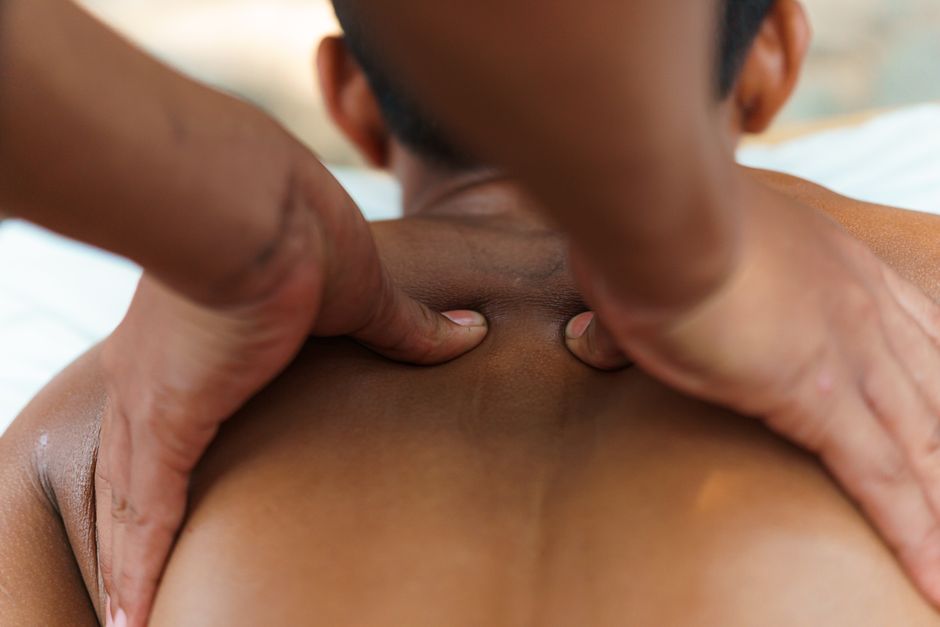
Massage can help break the spasm. Firmly rubbing the tight area in a circular motion encourages blood flow and signals the muscle to relax. Applying pressure directly to the knot with your fingers or a massage ball can also be effective.
Heat and cold serve different purposes. A warm compress or heating pad helps relax tight muscles and increases blood flow. This is best for a spasm that has already occurred. Ice reduces inflammation and numbs pain, which is useful if the spasm followed an injury. Some people alternate between the two.
Over-the-counter pain relievers like ibuprofen or acetaminophen can ease the soreness after a spasm. They do not stop the spasm itself, but they reduce the discomfort while the muscle recovers.





How to Prevent Muscle Spasms
Prevention targets the most common triggers: hydration, nutrition, and muscle conditioning.
Stay hydrated throughout the day, not just during exercise. Water alone is often enough for everyday activity. For prolonged exercise or heavy sweating, a sports drink with electrolytes can help replace what you lose. The color of your urine is a simple guide — pale yellow usually means adequate hydration.
Regular stretching keeps muscles flexible and less prone to cramping. Pay special attention to the muscles that cramp most often. Stretching after exercise, when muscles are warm, is more effective than stretching cold muscles. A consistent routine matters more than intense, occasional stretching.
Strengthening your muscles can also reduce spasms. Stronger muscles handle fatigue better and are less likely to misfire. If you get frequent leg cramps, exercises that target the calves, hamstrings, and quadriceps may help. If you get neck or back spasms, core strengthening is often recommended.
Some evidence suggests that increasing your intake of magnesium or potassium may help if you are deficient. However, supplements only help if you actually have a deficiency. Taking extra magnesium when your levels are normal is unlikely to prevent cramps. Blood tests can confirm whether a deficiency exists.
When to See a Doctor About Muscle Spasms
Most muscle spasms are harmless and resolve on their own. But some situations warrant medical attention.
See a doctor if your spasms are frequent, severe, or lasting longer than a few minutes. Also seek medical advice if the spasms interfere with your daily activities or sleep on a regular basis. Spasms that occur after starting a new medication should always be reported to your doctor.
Seek urgent care if a spasm is accompanied by numbness, weakness, or loss of coordination. These symptoms can indicate a neurological issue rather than a simple muscle problem. Sudden, severe back pain with leg weakness or loss of bladder or bowel control is a medical emergency.
Spasms that occur alongside swelling, redness, or warmth in the limb could indicate a blood clot, especially if the area is also tender. This requires immediate medical evaluation. Similarly, if you have kidney disease, thyroid conditions, or a neurological disorder, discuss your spasms with your doctor because the underlying cause may be different.
Medical Treatments for Persistent Muscle Spasms
When home care is not enough, doctors have several options. The choice depends on the underlying cause and how much the spasms affect your life.
Muscle relaxants are prescription medications that reduce muscle tension. They are typically used for short periods because they cause drowsiness and can be habit-forming. They are most often prescribed for back spasms or conditions like multiple sclerosis that cause spasticity.
Physical therapy is a common non-drug approach. A therapist can identify muscle imbalances or movement patterns that contribute to spasms. They can teach you targeted stretches and strengthening exercises that address the root cause rather than just the symptom.
For nerve-related spasms, medications like gabapentin or certain antidepressants are sometimes used. These drugs calm overactive nerve signals that trigger muscle contractions. They are not first-line treatments for simple cramps but are options when the cause is neurological.
Injections of botulinum toxin, known as Botox, are used for severe spasticity. The toxin blocks the nerve signals that cause the muscle to contract. This is reserved for conditions like cerebral palsy, stroke-related spasticity, or severe neck spasms that do not respond to other treatments.
Frequently Asked Questions
Can dehydration really cause muscle spasms?
Yes, dehydration is one of the most common causes of muscle spasms. Without enough water and electrolytes, your muscles cannot properly contract and relax.
What is the fastest way to relieve a muscle spasm?
Gentle stretching and massage are the fastest ways to stop a spasm. Apply heat afterward to help the muscle fully relax.
Are muscle spasms a sign of a serious condition?
Most spasms are harmless, but frequent or severe ones can indicate nerve damage, mineral deficiencies, or circulation problems. Seek medical advice if they are persistent or accompanied by weakness or numbness.
Should I take magnesium for muscle cramps?
Magnesium only helps if you are deficient in it. A blood test can confirm a deficiency before you start taking a supplement.
