
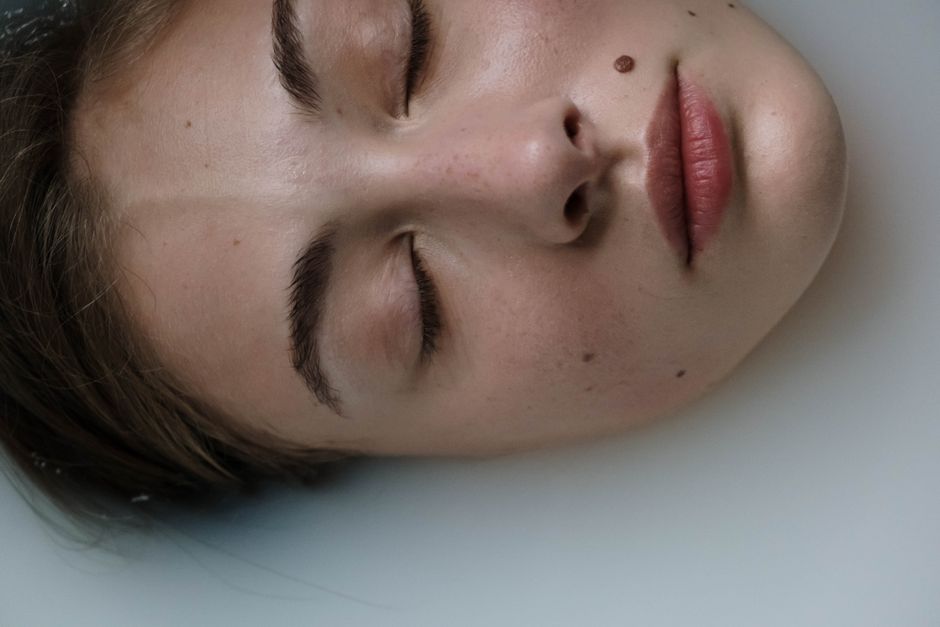
A mole is a small, dark spot on the skin formed by a cluster of pigment-producing cells called melanocytes. Most people have between 10 and 40 moles by adulthood, and the majority are harmless. They can be flat or raised, brown, tan, pink, or nearly skin-colored, and they usually appear during childhood and the first few decades of life.
Moles are one of the most common skin features in humans. Understanding what they are, why they form, and when one deserves a closer look is basic skin knowledge that can matter a great deal.
What Are Moles On Skin?
A mole — medically called a nevus — is a benign growth made of melanocytes, the cells that produce the pigment melanin. When these cells group together in one spot instead of spreading evenly across the skin, that cluster becomes visible as a mole.
Melanin is what gives skin, hair, and eyes their color. It also helps protect the deeper layers of skin from ultraviolet radiation. A mole is essentially a pocket of melanocytes doing what melanocytes normally do, just concentrated in one place.
Moles can be present at birth, but most develop later. They commonly show up during childhood and adolescence, and new ones can keep appearing into early adulthood. Hormonal changes — including puberty and pregnancy — can make existing moles darker or larger, and can trigger new ones.
Over time, many moles gradually fade or even disappear. This is a normal part of skin aging. A mole that changes in a concerning way is a different matter, and that is covered further down.
What Causes Moles to Form?
Moles form from a combination of genetics and sun exposure. Both matter, and they interact.
Some people are simply born with a tendency to develop many moles. Having a parent with lots of moles makes it more likely you will have them too. This inherited pattern is one of the strongest known factors in how many moles a person ends up with.
Ultraviolet radiation from the sun and from tanning beds also drives mole formation. UV light damages skin cell DNA and stimulates melanocytes. The body responds by producing more pigment, and over time this can lead to new moles and to changes in existing ones.
This is why moles tend to appear most on areas that get the most sun — the face, arms, shoulders, and back. It is also why childhood sun exposure matters so much: sunburns during childhood and adolescence are linked to a higher number of moles later in life.
Hormones play a role too. Moles often become more numerous or more noticeable during puberty and pregnancy. This is normal and not a sign of disease on its own.
What Do Normal Moles Look Like?
A typical mole is uniform in color and shape, with a clear, well-defined border. Most are less than 6 millimeters across — roughly the width of a pencil eraser — though some benign moles are larger.
Normal moles share several features:
- One consistent color, or an even shade of brown or tan
- A round or oval shape
- Smooth, clearly defined edges
- A size that stays stable over time
- A surface that may be flat or slightly raised
Some moles are raised and dome-shaped. Others are flat and blend into the skin. Some have hair growing from them. None of these features by itself means a mole is dangerous.
It helps to know your own skin. A mole that looks like the others around it, and that has looked the same for years, is usually not a concern. The moles worth paying attention to are the ones that stand out from your personal pattern.
When Should a Mole Be Checked?
A mole should be evaluated by a clinician if it changes in size, shape, color, or texture, or if it bleeds, itches, or crusts without a clear reason. These are the changes most associated with skin cancer, and they are the reason skin checks exist.
Dermatologists often use a memory aid called the ABCDE rule to describe warning signs:
- A — Asymmetry: one half does not match the other
- B — Border: edges are irregular, ragged, or blurred
- C — Color: more than one color, or uneven shading
- D — Diameter: larger than 6 millimeters (though some concerning moles are smaller)
- E — Evolving: any change over time
The “E” is the one that matters most. A mole that is changing is the single most important reason to get it looked at, regardless of how it scores on the other letters.
It is worth being clear about what this does and does not mean. Most changing moles turn out to be benign. But because melanoma — the most serious form of skin cancer — can begin in or near a mole, changes are taken seriously. Early detection is the reason skin cancer outcomes are far better when a problem is caught early.
Anyone can develop skin cancer, but risk is higher in people with fair skin, a history of sunburns, many moles, or a family history of melanoma. People in these groups are often advised to check their skin regularly and to see a dermatologist periodically. Specific screening schedules vary, so it is best to ask a clinician what is appropriate for you.
How Are Moles Treated or Removed?
Most moles need no treatment at all. A benign mole that is not causing problems can simply be left alone.
When a mole is removed, it is usually for one of a few reasons: it looks suspicious, it is being tested to rule out cancer, or it is in a spot where it gets irritated by clothing or shaving. Some people also choose to have a mole removed for cosmetic reasons.
Removal is typically done in a clinic, often with a local numbing agent. Common methods include:
- Surgical excision — the mole and a small margin of surrounding skin are cut out and the area is stitched
- Shave removal — the mole is shaved off flush with the skin, often used for raised moles
If a mole is removed because it looked suspicious, the tissue is usually sent to a lab for examination. This is how a diagnosis is confirmed — not by how the mole looks to the eye alone.
One honest point: removing a mole does not prevent skin cancer from developing elsewhere. Skin cancer risk is tied to sun exposure, genetics, and skin type, not to whether a particular mole was removed. Removal addresses the specific mole in question.
There is no evidence that over-the-counter mole removal products are safe or effective, and using them can cause scarring and can make it harder for a clinician to assess a mole that should have been examined. Moles should be removed by a qualified clinician.
Can You Prevent Moles From Forming?
You cannot fully prevent moles. Genetics set much of the baseline, and some mole formation is simply part of normal skin biology.
What you can do is limit the UV exposure that drives new moles and raises skin cancer risk. Reasonable steps include:
- Seeking shade during peak sun hours
- Wearing sunscreen and reapplying it during time outdoors
- Covering up with clothing and a hat
- Avoiding tanning beds
These steps are most valuable in childhood and adolescence, when sun exposure has the greatest effect on how many moles develop. But sun protection matters at every age.
It is also worth separating two ideas. Reducing sun exposure can lower the number of new moles and lower skin cancer risk. It does not make existing moles disappear, and it does not guarantee that skin cancer will not occur. Sun protection lowers risk — it does not eliminate it.
How Moles Differ From Other Skin Spots
Not every dark spot on the skin is a mole. Several other common skin features can look similar, and telling them apart usually requires a trained eye.
- Freckles — flat patches of extra pigment that darken with sun exposure and fade without it
- Sun spots (lentigines) — flat, tan-to-brown spots linked to sun exposure that do not fade
- Seborrheic keratoses — raised, waxy, or scaly growths that are benign and common with age
- Skin tags — small, soft flaps of skin, usually on the neck, armpits, or groin
Because these can look like moles — and because some skin cancers can look like any of them — a spot that is new, changing, or unusual for you is worth having checked. A clinician can usually tell the difference during an exam, and a biopsy can confirm it when needed.
Key Takeaways
A mole is a harmless cluster of pigment cells, and most people have several. They form from a mix of genetics and sun exposure, and most never cause a problem.
The one habit that matters most is paying attention to change. A mole that shifts in size, shape, color, or texture — or that bleeds or itches — should be checked by a clinician. Most of the time the answer is reassuring. When it is not, catching it early makes a real difference.
Frequently Asked Questions
Are all moles harmless?
No. Most moles are benign, but some can develop into melanoma or appear near a melanoma. Any mole that changes in size, shape, color, or texture should be checked by a clinician.
Can a mole turn into skin cancer?
Most moles never become cancer, but melanoma can begin in or near an existing mole. This is why changes in a mole are taken seriously and evaluated early.
How many moles is normal?
Most adults have between 10 and 40 moles. Having a very large number of moles is linked to higher skin cancer risk, so regular skin checks are often recommended for these individuals.
Should I get my moles checked regularly?
It depends on your risk factors, including skin type, sun history, and family history of melanoma. Ask a clinician what screening schedule is appropriate for you.
