
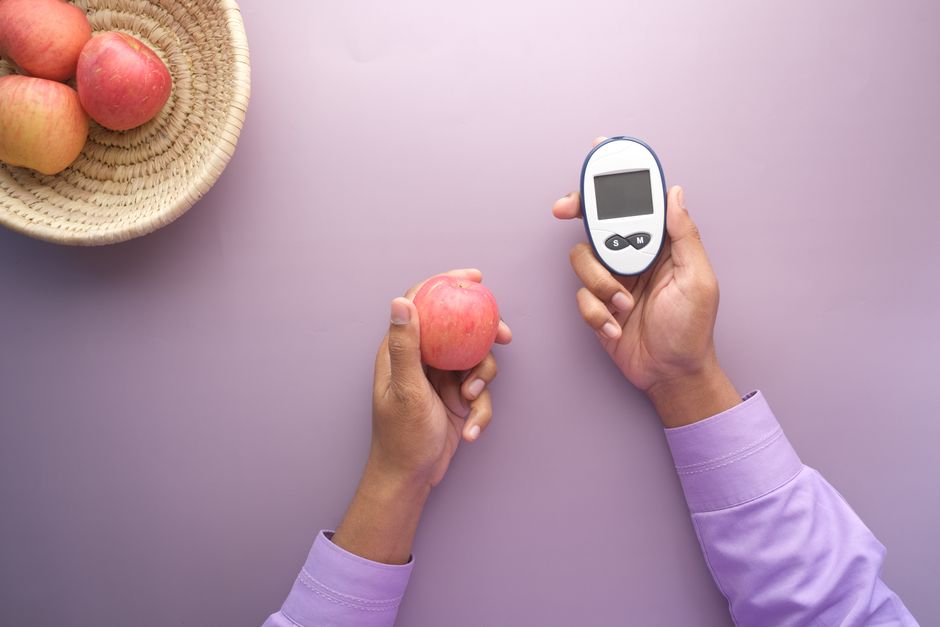
Low glycemic foods are foods that raise your blood sugar slowly and gently after you eat them. The glycemic index (GI) ranks carbohydrate-containing foods on a scale from 0 to 100 based on how quickly they raise blood glucose compared with a reference food. Low glycemic foods generally score 55 or below on that scale.
That sounds simple. In practice, the glycemic index is one of the most misunderstood tools in nutrition. It measures a real physiological response, but it does not measure everything that matters about a food. Understanding what it does and does not tell you is the difference between using it well and being misled by it.
What Are Low Glycemic Foods?
Low glycemic foods are those that produce a smaller, slower rise in blood glucose than high glycemic foods containing the same amount of carbohydrate. The scale is standardized: pure glucose scores 100, and every other food is measured against it.
The standard categories are:
- Low: 55 or below
- Medium: 56 to 69
- High: 70 or above
These cutoffs are widely used in research and clinical nutrition. They are not regulatory thresholds, and different bodies sometimes apply them slightly differently, but the 55/70 boundaries are the common standard.
Most low glycemic foods share certain traits. They tend to be higher in fiber, higher in protein or fat relative to carbohydrate, or made of carbohydrates that digest more slowly. Legumes, barley, oats, most vegetables, many fruits, and dairy products generally fall in the low range. Refined grains, sugary drinks, and most processed snack foods tend to score high.
One clarification that surprises people: the glycemic index is not the same as glycemic load. GI measures how fast a food raises blood sugar per gram of available carbohydrate. Glycemic load also accounts for how much carbohydrate is actually in a serving. A food can have a high GI but a low glycemic load if you eat a small portion of it. Watermelon is the classic example — high GI, but a typical serving contains little carbohydrate, so the actual blood sugar impact is modest.
How Does the Glycemic Index Actually Work?
The glycemic index is measured in a controlled way. Volunteers eat a portion of a test food containing a set amount of available carbohydrate — usually 50 grams — and their blood glucose is tracked over the next two hours. The same volunteers then eat a reference food (glucose or white bread) containing the same amount of carbohydrate, and the two responses are compared.
The result reflects how quickly the carbohydrate in that food is broken down and absorbed into the bloodstream. Several factors shape that speed:
- Fiber content and type. Soluble fiber tends to slow digestion and absorption.
- Food structure. Whole grains and intact legumes digest more slowly than refined flours.
- Processing. The more a food is milled, cooked, or broken down, the faster it usually digests. Instant oats score higher than steel-cut oats for this reason.
- Ripeness and preparation. A riper banana has more available sugar than a less ripe one. Cooking method matters too.
- What you eat with it. Fat, protein, and acid all slow gastric emptying and blunt the glucose response.
That last point matters more than most people realize. The GI of a food is measured in isolation. Real meals are combinations. Eating bread with olive oil, or rice with beans and vegetables, produces a different blood sugar response than eating that bread or rice alone. The index is a property of a single food in a lab setting, not a prediction of your actual meal.
Which Foods Are Low on the Glycemic Index?
Most low glycemic foods are whole or minimally processed. Here is a practical picture of where common foods tend to fall. These are general ranges — actual values vary by variety, preparation, and testing method.
| Food category | Typical GI range | Examples |
|---|---|---|
| Legumes | Low (roughly 10–40) | Lentils, chickpeas, kidney beans, soybeans |
| Non-starchy vegetables | Low (mostly under 20) | Broccoli, spinach, peppers, mushrooms, tomatoes |
| Most whole fruits | Low to medium | Apples, pears, berries, oranges, peaches |
| Dairy | Low (roughly 15–35) | Plain yogurt, milk |
| Intact whole grains | Low to medium | Barley, steel-cut oats, quinoa, bulgur |
| Refined grains | High (70+) | White bread, white rice, most instant cereals |
| Sugary drinks | High | Soda, sweetened juices, sports drinks |
A few foods sit in counterintuitive places. Potatoes and white rice score high despite being whole foods. Watermelon and pumpkin score high on GI but are mostly water and low in carbohydrate per serving, so their glycemic load is low. Parboiled or converted rice scores lower than regular white rice. Pasta cooked al dente scores lower than pasta cooked soft.
These exceptions are the reason the index should be applied thoughtfully rather than as a strict rulebook.
Why Does Blood Sugar Response Matter?
Blood glucose is tightly regulated in the body. After a meal, carbohydrates break down into glucose, which enters the bloodstream. The pancreas releases insulin, which helps cells take up glucose and signals the liver to store it. In a healthy person, this system keeps blood glucose within a narrow range.
Foods that spike blood glucose quickly and sharply trigger a larger insulin response. In people with insulin resistance or type 2 diabetes, that system works less efficiently. The body’s cells respond poorly to insulin, so glucose stays elevated longer. Over time, chronic high blood glucose damages blood vessels, nerves, and organs. This is well established.
For people with diabetes, the glycemic index is one tool among several for managing post-meal glucose. Research consistently shows that choosing lower glycemic foods can help moderate blood glucose spikes after eating. What the evidence does not show is that the glycemic index alone determines long-term health outcomes. Total diet quality, calorie balance, physical activity, and medication all matter.
For people without diabetes, the picture is less clear. Some studies suggest that diets emphasizing low glycemic foods may support weight management and metabolic health, but results vary and the effect sizes are generally modest. No single macronutrient strategy has been shown to be superior for everyone.
Does a Low Glycemic Diet Help With Weight and Health?
Some evidence indicates that low glycemic diets can help with weight management and blood sugar control, but the evidence is mixed and the benefits are not unique to the glycemic index. Low glycemic diets tend to be higher in fiber and protein, which can increase satiety. That may help people eat less without consciously counting calories.
Head-to-head comparisons with other eating patterns — low fat, low carbohydrate, Mediterranean — have generally found similar weight loss results when calorie intake and adherence are comparable. The glycemic index is not a magic lever. It is one dimension of diet quality among many.
Where the evidence is stronger is in blood glucose control for people with diabetes. Multiple studies and clinical guidance support using lower glycemic foods as part of a broader strategy to manage post-meal glucose. The American Diabetes Association has historically recognized the glycemic index as a useful tool, while noting that the total amount of carbohydrate consumed matters at least as much as the type.
That last point is often lost. A low glycemic food eaten in large quantities still raises blood sugar. Portion and total carbohydrate intake remain central.
What Are the Limits of the Glycemic Index?
The glycemic index has real limitations, and being honest about them is important.
First, it measures a single food in isolation. It does not account for how you actually eat — combined with other foods, in mixed meals, at different times of day.
Second, individual responses vary. Two people can have meaningfully different blood glucose responses to the same food. Some research has highlighted this variability, and it means a food’s GI is a population average, not a personal prediction.
Third, a low GI score does not make a food healthy. Ice cream and some candy have moderate GI values because fat slows digestion. That does not make them nutritious choices. The index says nothing about vitamins, minerals, fiber, or overall nutritional quality.
Fourth, GI values in databases can differ from each other. Testing methods, food varieties, and preparation all affect the number. A single GI value is a rough guide, not a precise measurement.
Finally, focusing only on GI can lead people to overlook total carbohydrate, portion size, and overall diet pattern — the factors that most consistently matter for metabolic health.
How Can You Use the Glycemic Index in Practice?
The most useful approach is to use the glycemic index as one signal among several, not as a strict rule. Choose whole foods more often than refined ones. Pair carbohydrate foods with protein, fat, or fiber to slow digestion. Watch portions. Those steps align with low glycemic eating without requiring you to memorize numbers.
Practical habits that tend to lower the glycemic impact of a meal:
- Choose intact whole grains like barley, oats, and quinoa over refined flour products.
- Add legumes to meals — they are low on the index and high in fiber and protein.
- Eat fruit whole rather than as juice.
- Cook pasta al dente and pair it with vegetables and protein.
- Include vegetables at most meals.
- Limit sugary drinks, which are high on the index and low in nutritional value.
If you have diabetes or prediabetes, talk with your clinician or a registered dietitian about how to apply glycemic principles to your specific situation. Individual needs vary, and medication, activity, and other health conditions all affect what works.
Frequently Asked Questions
What is a low glycemic food?
A low glycemic food scores 55 or below on the glycemic index, a 0–100 scale that ranks how quickly a food raises blood glucose. These foods tend to be higher in fiber or protein and less processed.
Are bananas low glycemic?
Bananas generally fall in the low to medium range, depending on ripeness. Less ripe bananas score lower because they contain less available sugar.
Is the glycemic index the same as glycemic load?
No. The glycemic index measures how fast a food raises blood sugar per gram of carbohydrate, while glycemic load also accounts for how much carbohydrate is in a serving. A food can have a high GI but a low glycemic load.
Do low glycemic foods help with weight loss?
Some evidence suggests they may help with satiety and weight management, but results vary and are generally modest. Total calorie intake and overall diet quality matter more than glycemic index alone.
