
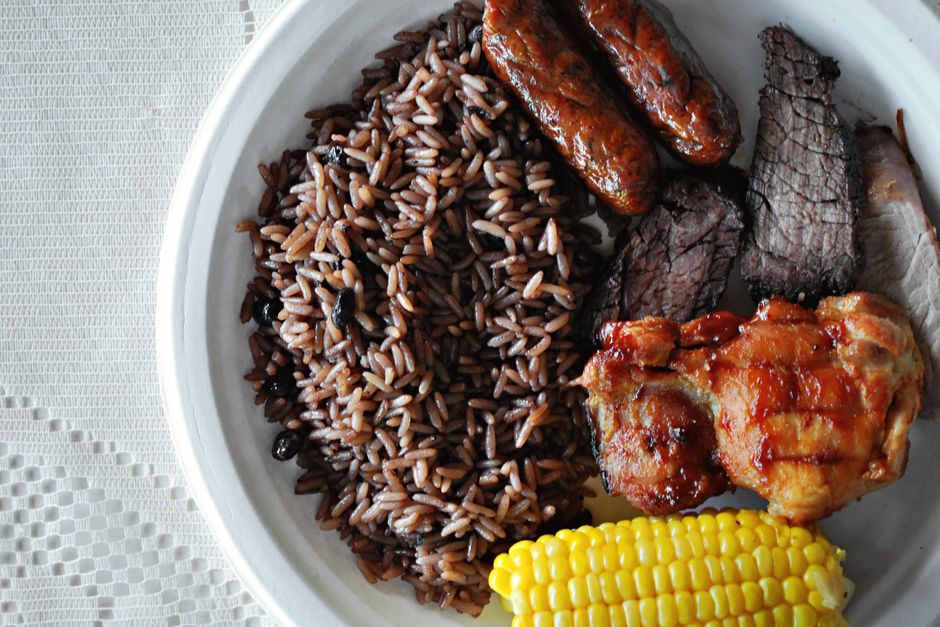
Low carb foods are foods that contain little carbohydrate per serving — mainly meats, fish, eggs, non-starchy vegetables, fats, and certain dairy products. On a low carb eating pattern, these foods replace a large share of bread, pasta, rice, potatoes, and sugary foods. The term “low carb” is not a single fixed diet. It describes a range, from modest carb reduction to very strict ketogenic plans.
What counts as low carb depends on the plan. There is no official definition that all clinicians use. That is why two people eating “low carb” may be eating very differently.
What Are Low Carb Foods Meats Veggies And More?
Low carb foods are those that deliver protein, fat, fiber, and micronutrients with little carbohydrate. The main groups are meat, poultry, fish, eggs, non-starchy vegetables, cheese, nuts and seeds, and added fats like olive oil and butter. Some fruit fits in small amounts, depending on how strict the plan is.
Carbohydrate is one of three macronutrients, alongside protein and fat. The body breaks most digestible carbs down into glucose, its main quick fuel source. Sugars and starches are the digestible forms. Fiber is also a carbohydrate, but it is largely not digested and does not raise blood glucose the way sugars and starches do.
That distinction matters. A food can be “high carb” by weight yet low in digestible carbs if much of it is fiber. Non-starchy vegetables are the clearest example.
Which Meats and Proteins Are Low in Carbs?
Plain meat, poultry, and fish contain essentially no carbohydrate. Beef, pork, chicken, turkey, lamb, and most seafood are close to zero grams of carbs per serving. Eggs are the same — the carb content is negligible.
Processing is where carbs sneak in. Breaded cutlets, glazed ham, marinated meats, sausages with fillers, and many deli meats can carry added sugar or starch. Reading the label is more useful than assuming a meat is carb-free.
Plant proteins are a mixed group. Tofu and tempeh are relatively low in carbs. Beans and lentils are high in both carbs and fiber, so they fit only on more moderate low carb plans. This is a common point of confusion — “protein food” does not automatically mean “low carb food.”
Which Vegetables Fit a Low Carb Diet?
Non-starchy vegetables are the backbone of low carb eating. They provide volume, fiber, vitamins, and minerals with modest carbohydrate. Good examples include leafy greens, broccoli, cauliflower, zucchini, peppers, mushrooms, asparagus, green beans, and cabbage.
Starchy vegetables behave differently. Potatoes, corn, peas, and winter squash are higher in digestible carbs and are usually limited or avoided on stricter plans. That does not make them unhealthy — it makes them a poorer fit for a low carb target.
Fiber is the reason vegetables earn their place. Most adults fall short of recommended fiber intake, and low carb plans that lean on vegetables rather than processed substitutes tend to do better on this front. A plan built mostly on meat and cheese can end up low in fiber, which affects digestion and gut health.
What About Fruits, Dairy, Nuts, and Fats?
Fruits vary widely. Berries are on the lower end of the carb range. Bananas, grapes, and mangoes are on the higher end. On moderate plans, small portions of lower-carb fruit can fit. On strict plans, fruit is often limited.
Dairy depends on the type. Hard cheeses and plain Greek yogurt are relatively low in carbs. Milk contains natural sugar (lactose) and is higher. Flavored yogurts often carry added sugar.
Nuts and seeds are low to moderate in carbs and provide fat and protein. Fats like olive oil, butter, and avocado contain no meaningful carbohydrate. These foods help make low carb eating satisfying, which matters for whether a person can stay with it.
How Do Low Carb Foods Compare by Carb Content?
The table below shows approximate carbohydrate content for common foods. Values are general ranges and vary by portion, preparation, and brand. Always check labels for processed foods.
| Food | Approximate carbs | Notes |
|---|---|---|
| Chicken, beef, fish (plain) | ~0 g per serving | Watch breading and marinades |
| Eggs | Negligible | Near zero digestible carbs |
| Leafy greens, broccoli, cauliflower | Low, much of it fiber | Staple low carb vegetables |
| Avocado | Low, high fiber | Fat and fiber together |
| Hard cheese | Very low | Milk is higher in lactose |
| Berries | Lower end for fruit | Portion matters |
| Potatoes, rice, bread, pasta | High | Usually limited or avoided |
| Beans and lentils | Moderate to high | High fiber, fits moderate plans |
Is “Low Carb” the Same as Keto?
No. Low carb and ketogenic are related but not identical. A ketogenic diet is a specific, very low carb pattern designed to push the body into ketosis, a metabolic state where the body relies more heavily on fat-derived ketones for fuel. Low carb is a broader umbrella that includes gentler reductions.
Because there is no single agreed threshold, the label “low carb” on a product or plan tells you little on its own. The actual gram target and food choices matter more than the name. A person eating 100 grams of carbs a day and a person eating 20 grams are both technically “low carb,” but their diets look very different.
One clarification worth keeping in mind: a food being low in carbs does not make it nutritious by default. A processed low carb snack bar can be low in carbs and still be highly processed. Whole foods — meat, fish, eggs, vegetables, nuts — are the foundation most clinicians would point to.
Does Eating Low Carb Have Health Benefits?
Low carb eating patterns can help some people manage weight and blood sugar. The evidence is strongest for short- to medium-term weight loss and for glycemic control in type 2 diabetes, where reduced carbohydrate intake can lower blood glucose. Research in this area is substantial, though longer-term comparisons with other eating patterns show more mixed results.
The evidence is not uniform across all outcomes. Weight loss often looks similar between low carb and other calorie-reduced diets when total calories and adherence are comparable. That suggests the best plan is often the one a person can sustain, not necessarily the one with the fewest carbs.
Low carb eating is not risk-free for everyone. People with kidney disease, pregnant or breastfeeding women, and those taking diabetes medications or blood pressure medicines should talk with a clinician before making large changes. Some diabetes medications can cause low blood sugar when carb intake drops sharply, so dosing may need adjustment under medical supervision. No single carb target is appropriate for everyone.
How Do You Start Eating More Low Carb Foods?
Start by shifting the balance of the plate rather than cutting everything at once. Build meals around a protein, add non-starchy vegetables, and include a source of fat. Reduce the starch portion gradually. This approach tends to be easier to sustain than an abrupt overhaul.
Plan for fiber and fluids. When carb intake drops, fiber intake can fall too, which affects digestion. Vegetables, nuts, and seeds help. Drinking enough water matters as well.
Be skeptical of marketing. “Low carb” and “keto-friendly” labels are not regulated the same way as some health claims, and a product can carry the label while still being highly processed. Whole foods with short ingredient lists are a more reliable guide.
- Choose plain meat, fish, and eggs over breaded or glazed versions.
- Fill half the plate with non-starchy vegetables.
- Read labels on sauces, dressings, and deli meats for added sugar.
- Keep portions of higher-carb foods like fruit and beans in mind.
- Talk with a clinician first if you take medication or have a chronic condition.
Frequently Asked Questions
What foods are considered low carb?
Meat, fish, eggs, non-starchy vegetables, cheese, nuts, seeds, and added fats are the main low carb foods. Bread, pasta, rice, potatoes, and sugary foods are usually limited or avoided.
Are vegetables low in carbs?
Non-starchy vegetables like leafy greens, broccoli, and peppers are low in digestible carbs and high in fiber. Starchy vegetables such as potatoes and corn are higher and usually limited on stricter plans.
Is low carb the same as keto?
No. Keto is a very low carb pattern designed to produce ketosis, while low carb is a broader range that includes gentler reductions. There is no single official carb threshold for either label.
Can I eat fruit on a low carb diet?
Lower-carb fruits like berries fit more easily than bananas, grapes, or mangoes. Whether fruit fits depends on how strict your carb target is.
