
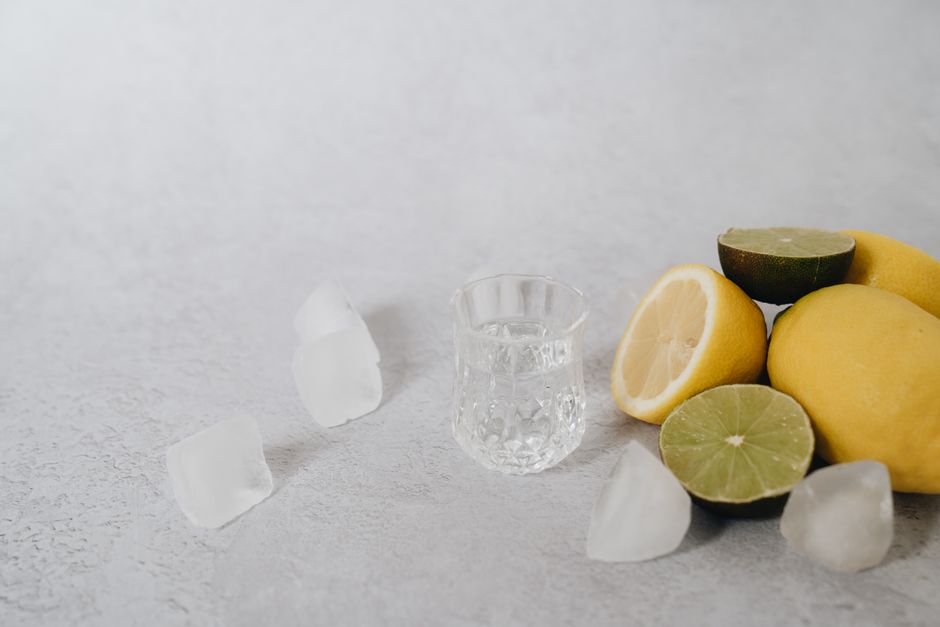
A lemon is made from water, sugars, acids, fiber, and a small set of vitamins and minerals, assembled by a tree from sunlight, air, and soil. The fruit starts as a flower on a citrus tree. Once pollinated, that flower becomes a lemon. Everything inside it — the juice, the pulp, the pith, the peel — comes from materials the tree pulls from the ground and the air, plus energy from the sun.
That is the plain definition. A lemon is the fruit of a small evergreen tree in the citrus family, filled mostly with water and structured by plant tissue. The tart taste comes from citric acid. The smell comes from oils in the peel. There is no mystery ingredient and no secret process. It is plant biology, and it is well understood.
What Are Lemons Made From?
Lemons are made mostly of water. A whole lemon is roughly 85 to 90 percent water, which is why a lemon feels heavy for its size and why the juice runs so thin. The rest is a mix of carbohydrates, small amounts of protein, fiber, organic acids, and a long list of minor plant compounds.
The tree builds all of this through photosynthesis. Leaves capture sunlight and combine carbon dioxide from the air with water from the soil to make sugars. Those sugars travel through the tree and are stored and converted inside the developing fruit. The fruit is not “filled” from outside. It grows from the inside out as cells divide and expand.
The main components of a lemon break down like this:
- Water — the vast majority of the fruit’s weight, carried in the juice sacs and pulp cells
- Carbohydrates — sugars that give a faint sweetness, plus fiber in the pulp and pith
- Citric acid — the compound responsible for the sharp sour taste, concentrated in the juice
- Essential oils — aromatic compounds held in tiny glands in the peel, mainly limonene
- Vitamins and minerals — vitamin C most notably, along with smaller amounts of potassium, folate, and other nutrients
One point worth clearing up: the white pith under the peel is not waste. It holds fiber and flavonoids, the plant compounds that give citrus much of its nutritional interest. People often strip it away, but it is part of what the fruit is made from.
Where Does the Sour Taste in Lemons Come From?
The sour taste comes from citric acid. Lemons accumulate this acid in their juice as they grow, and it is present in high enough concentration to make the fruit sharply tart. Citric acid is a normal product of plant metabolism, not an additive. It is the same molecule found in oranges, limes, and grapefruit, just in different amounts.
The tree does not make the acid to taste bad to people. The acid likely serves the plant — it plays a role in how the fruit manages its internal chemistry and may help defend against some pests. As the lemon ripens, acid levels fall somewhat and sugars rise, which is why a fully ripe lemon tastes less harsh than a green one. But lemons never become sweet the way an orange does. Their acid stays high.
This is why lemon juice works in cooking. Acid brightens flavors, slows the browning of cut fruit, and helps some proteins set. It also explains why a squeeze of lemon can make a dull dish taste sharper without adding salt.
Are Lemons a Good Source of Vitamin C?
Yes. Lemons contain vitamin C, and a single lemon provides a meaningful share of what most adults need in a day. The exact amount varies with the fruit’s size, ripeness, and how it was stored, so treat any single number as an estimate rather than a guarantee.
Vitamin C is water-soluble. It sits in the juice and pulp, not the peel, which is why fresh lemon juice is a better source than the zest alone. It also breaks down over time and with heat. A lemon left on the counter for weeks, or juice boiled into a sauce, will hold less vitamin C than a fresh one. This is normal for water-soluble vitamins and not a reason to avoid lemons — just a reason not to rely on a single lemon as your only source.
Vitamin C supports normal immune function and helps the body absorb iron from plant foods. That second point is well established and practical: a squeeze of lemon over a bean or spinach dish can improve how much iron your body takes up from that meal.
What Nutrients Besides Vitamin C Do Lemons Contain?
Lemons supply small amounts of several nutrients and a broader set of plant compounds. The fruit is not a major source of calories or protein, but it contributes fiber, potassium, and a range of flavonoids and other plant chemicals that are the subject of ongoing research.
Here is a rough comparison of what a whole lemon contributes. Values are approximate and vary by size and variety.
| Component | What it does in the body | Notes |
|---|---|---|
| Vitamin C | Supports immune function and iron absorption; acts as an antioxidant | Mainly in juice and pulp |
| Fiber | Supports digestion and gut health | Concentrated in pulp and pith |
| Potassium | Helps regulate fluid balance and muscle function | Small amounts |
| Flavonoids | Plant compounds with antioxidant activity | Found in peel and pith |
| Citric acid | Contributes to taste; used in the body’s energy cycle | Concentrated in juice |
The flavonoids in citrus have drawn research interest for possible effects on heart and metabolic health. Some studies suggest associations between citrus intake and health outcomes, but the evidence is not strong enough to say that eating lemons prevents any specific disease. Treat these compounds as part of a healthy diet, not as a treatment.
Is Lemon Peel Made of the Same Things as the Juice?
No. The peel and the juice are built from different plant tissues and contain different compounds. The juice is mostly water, sugar, and citric acid. The peel is a protective outer layer rich in essential oils, fiber, and flavonoids. The bright yellow color comes from pigments in the peel, not the juice.
The oil in the peel is where the lemon’s scent lives. Limonene is the dominant compound, and it is what gives lemon its clean, sharp aroma. That oil is also why lemon zest carries so much flavor — a little goes a long way, and the flavor is different from the juice. Cooks use them for different jobs because they are chemically different materials.
People sometimes ask whether lemon peel is safe to eat. The peel itself is edible and contains nutrients. The main practical concern is pesticide residue on conventionally grown fruit, so washing and, if you plan to eat the peel, choosing organic where possible is a reasonable step. The evidence on residue risk from normal consumption is limited, and this is a matter of personal choice rather than a firm rule.
Does Lemon Water Have Health Benefits?
Lemon water is water with lemon juice added. It hydrates you and provides a small amount of vitamin C and flavor. That is the honest summary. Many claims made about lemon water — that it “detoxes” the body, balances pH, or burns fat — are not supported by clinical evidence.
The body regulates its own pH tightly through the lungs and kidneys. Drinking acidic lemon water does not change your blood pH; your body corrects for it. The idea that lemon water “alkalizes” the body is a persistent myth with no basis in physiology. Similarly, no study has shown that lemon water increases metabolism enough to cause meaningful weight loss.
What lemon water can do is make plain water more appealing, which may help some people drink more of it. That is a real and modest benefit. If you enjoy it, there is no reason to stop. Just do not expect it to do more than it can.
How Do Lemons Compare to Other Citrus Fruits?
Lemons are more acidic and less sweet than oranges, and they carry more acid than limes in most varieties. The differences come down to how much citric acid and sugar each fruit accumulates as it ripens. All citrus fruits share the same basic structure and the same core nutrients, with the proportions shifting by type.
Oranges are bred for sweetness and eating out of hand. Lemons are bred for acid and aroma, which makes them useful as a flavoring rather than a snack. Limes are close to lemons in acid but differ in aroma and are generally smaller. This is why recipes rarely swap one for the other without changing the result.
The comparison matters mostly for cooking and for vitamin C. A lemon is a reliable source of vitamin C, but so are oranges, and an orange is easier to eat whole. If your goal is vitamin C, any citrus works. If your goal is a sharp, aromatic accent, lemon is hard to replace.
Frequently Asked Questions
What are lemons made from?
Lemons are made mostly of water, along with sugars, citric acid, fiber, vitamin C, and plant oils in the peel. The tree builds the fruit from water, carbon dioxide, and sunlight through photosynthesis.
Are lemons natural or artificial?
Lemons are a natural fruit grown on citrus trees. The cultivated lemon is a hybrid that has been bred over centuries, but the fruit itself is produced by the plant, not manufactured.
Do lemons contain sugar?
Yes, lemons contain some sugar, but far less than oranges, and the high citric acid content masks most of the sweetness. That is why a lemon tastes sour rather than sweet.
Is it safe to eat lemon peel?
The peel is edible and contains fiber and flavonoids, though it is tart and strongly flavored. If you plan to eat it, washing the fruit well and choosing organic where possible reduces pesticide residue concerns.
