
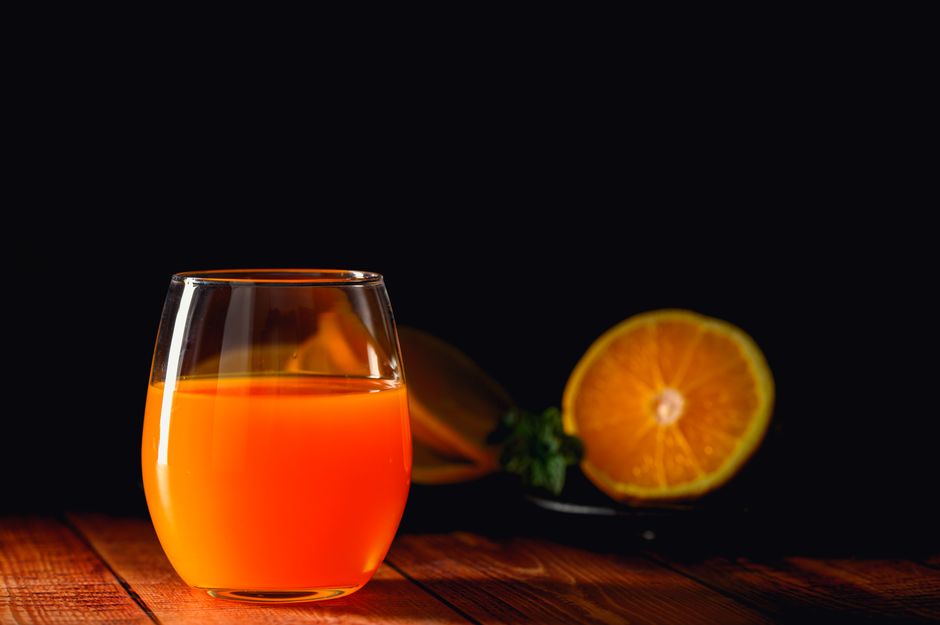
When you buy a bottle of orange juice, you might see the words “from concentrate” on the label. This means the juice was made by removing most of the water from the fruit juice, making a thick syrup. The syrup is then frozen or stored, shipped to a bottling plant, and later mixed with water again before it is sold. In simple terms, juice from concentrate is juice that has been squeezed, dehydrated, and then rehydrated with water.
What Are Juices From Concentrate? Definition
Juice from concentrate is fruit juice that has had its water content removed after squeezing. The process reduces the juice to a concentrated syrup, which is easier and cheaper to transport. Before it reaches the store, water is added back to the concentrate to restore it to a drinkable state. The final product is sold as “juice from concentrate” and must be labeled as such.
This is different from “not from concentrate” juice, which is pasteurized and bottled directly after squeezing. Both types start with the same real fruit juice, but the processing steps are different. The concentration process does not remove the fruit sugars, vitamins, or flavor compounds, though some nutrients may be affected by the heat used during processing.
How Is Juice Made From Concentrate?
The process begins with fresh fruit that is washed and squeezed. The extracted juice is then heated to remove water. This heating step is called evaporation, and it creates a thick syrup. The syrup is rapidly cooled and either frozen or stored in aseptic tanks to prevent spoilage.
When the concentrate arrives at a bottling facility, it is mixed with water. The amount of water added is usually based on the original juice’s sugar level, called Brix. Brix measures the percentage of sugar in the juice. For example, standard orange juice has a Brix level around 11.8. The manufacturer adds water until the concentrate reaches that target level.
After rehydration, the juice is pasteurized to kill bacteria and extend shelf life. Some manufacturers add flavor packs, which are compounds derived from the fruit’s own oils and essence, to restore aroma and taste lost during processing. These flavor packs are not listed as ingredients because the FDA considers them part of the juice itself.
Is Juice From Concentrate Less Nutritious?
The nutritional difference between concentrate and fresh juice is small but real. The heating process can reduce certain heat-sensitive vitamins, particularly vitamin C. Some research suggests that reconstituted orange juice may have slightly lower vitamin C levels than fresh-squeezed juice. However, many commercial juices are fortified with vitamin C after processing, so the final product often has similar or even higher levels.
Other nutrients like potassium, folate, and antioxidants are more stable during heating. The fiber content is low in both types because fiber is removed during squeezing. The sugar content is identical between concentrate and not-from-concentrate juice when both are properly reconstituted. A glass of orange juice from concentrate has about the same calories and sugar as a glass of fresh orange juice.
The bigger nutritional concern is not the concentration process itself but what is added afterward. Some products labeled as “juice drinks” or “juice cocktails” contain only a small percentage of real juice, with added water and sugar. Check the label. If it says “100% juice,” the product contains only juice, whether from concentrate or not.





Does Juice From Concentrate Taste Different?
Yes, there can be a taste difference. The heating process can slightly alter the flavor profile of the juice. Some delicate flavor compounds are lost or changed during evaporation. This is why manufacturers often add flavor packs to restore the original taste.
Many people cannot tell the difference in a blind taste test. The variability in taste depends more on the fruit variety and harvest season than on the concentration process. Concentrate does allow manufacturers to blend juice from different batches and seasons, which creates a more consistent flavor year-round. Not-from-concentrate juice may vary more in taste depending on when the fruit was harvested.
One advantage of concentrate is that it takes up less space. A small frozen can of concentrate can make a full pitcher of juice. This reduces shipping costs and storage needs, which is why concentrate is often cheaper than fresh juice.
Are There Additives in Juice From Concentrate?
In the United States, 100% juice from concentrate cannot contain artificial colors, flavors, or preservatives. The FDA has strict labeling rules. If a product is labeled “100% juice,” it must contain only juice, whether it is from concentrate or not. Water added back to the concentrate is not considered an additive because it is restoring the juice to its natural state.
Flavor packs are the one gray area. These are natural compounds derived from the same fruit’s peel or pulp. They are added to restore flavor lost during heating. Because they come from the fruit itself, they are not listed as ingredients. Some consumers are surprised to learn this, but flavor packs are not synthetic chemicals. They are isolated natural compounds.
Some juices from concentrate may have added vitamin C or calcium. These fortifications must be listed on the ingredient label. If you want to avoid any additives, look for juice labeled “100% juice” and read the ingredient list. It should contain only the juice itself.
Is Juice From Concentrate Safe to Drink?
Yes, juice from concentrate is safe to drink. The pasteurization step kills harmful bacteria like salmonella and E. coli. This makes commercial juice from concentrate safer than raw, unpasteurized juice, which can carry foodborne illness risks. The FDA recommends that people with weakened immune systems, pregnant women, and young children avoid unpasteurized juice.
The concentration process itself does not create any harmful compounds. The heating is similar to pasteurization and does not produce significant levels of harmful byproducts. The main health concern with any juice is its sugar content, not the processing method. Drinking large amounts of juice can contribute to excess calorie intake and blood sugar spikes.
The American Academy of Pediatrics recommends limiting juice intake for children. They suggest no more than 4 ounces per day for toddlers aged 1 to 3, and no more than 6 ounces for children aged 4 to 6. These recommendations apply to all juice, regardless of whether it is from concentrate.
How to Choose Between Concentrate and Not From Concentrate
Your choice depends on your priorities. If cost is your main concern, juice from concentrate is almost always cheaper. It is also more convenient for storage, especially the frozen form. If you prioritize fresh taste and are willing to pay more, not-from-concentrate juice may be a better option.
Check the label for “100% juice” to ensure you are getting real fruit juice and not a sugary drink. Compare the ingredient lists. Both types should list only juice. If you see added sugar, high fructose corn syrup, or artificial ingredients, that product is not 100% juice.
Here is a quick comparison of the two types:
- Juice from concentrate: Cheaper, longer shelf life, consistent flavor, may have slightly lower vitamin C before fortification.
- Not from concentrate: More expensive, shorter shelf life, more variable flavor, minimal heat processing.
Both are real juice. Neither is a health food. The juice you drink should be part of a balanced diet, and whole fruit is always a better choice because it contains fiber.
Common Myths About Juice From Concentrate
One common myth is that juice from concentrate is artificial or not real juice. This is false. It is real fruit juice with water removed and then added back. The FDA requires that “from concentrate” juice be made from actual fruit juice.
Another myth is that concentrate has added sugar. When properly reconstituted, the sugar content matches the original juice. The sugar in 100% juice is naturally occurring fruit sugar, not added sugar. However, some juice drinks that contain concentrate also contain added sugar. Always read the label to know what you are buying.
A third myth is that concentrate is heavily processed with chemicals. The core process involves heating, freezing, and adding water. Flavor packs are natural compounds. There are no artificial preservatives in 100% juice from concentrate. The processing is more about logistics than chemistry.
Frequently Asked Questions
Is juice from concentrate real juice?
Yes, juice from concentrate is real fruit juice that has been dehydrated and then rehydrated with water. The FDA requires that products labeled “from concentrate” be made from actual fruit juice.
Does juice from concentrate have added sugar?
No, 100% juice from concentrate does not contain added sugar. The sugar in it is naturally occurring fruit sugar, but always check the label because some juice drinks do contain added sweeteners.
Is juice from concentrate less healthy than fresh juice?
The difference is small. Heating may reduce some vitamin C, but many brands add it back. Sugar, calories, and most other nutrients are similar between concentrate and fresh juice.
Why is juice from concentrate cheaper?
Concentrate takes up less space and weighs less, so it costs less to ship and store. This saving is passed on to the buyer, making it a more affordable option.
