
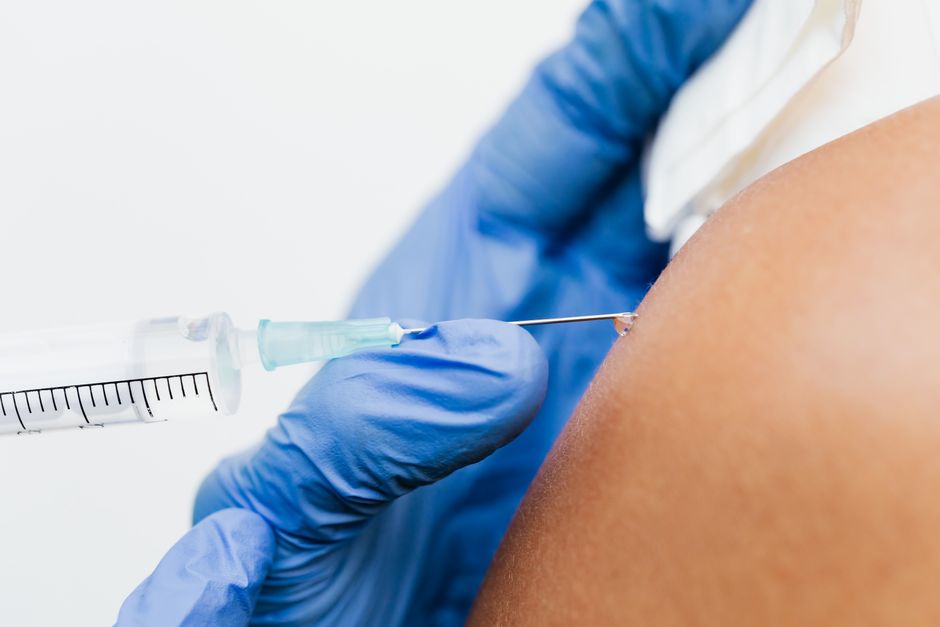
Intramuscular (IM) injections deliver medication deep into a large muscle. The muscle tissue absorbs the drug into your bloodstream faster than under the skin but slower than directly into a vein. This method is common for vaccines, antibiotics, hormones, and vitamin shots. Unlike oral medications that must pass through your digestive system, an IM injection sends the substance straight into muscle where blood vessels carry it throughout your body.
What Exactly Happens During an IM Injection?
A healthcare provider inserts a needle at a 90-degree angle through your skin and into the muscle below. The needle length and gauge depend on your body size and the injection site. For most adults, needles range from 1 to 1.5 inches long. The goal is to reach the muscle tissue without hitting a nerve or blood vessel.
The injection site matters. Common locations include the deltoid muscle in your upper arm, the vastus lateralis in your thigh, and the gluteal muscles in your buttock. Each site has a maximum volume it can safely hold. The deltoid can take up to 1 milliliter. The gluteal muscles can handle up to 4 milliliters. Your healthcare provider chooses the spot based on the medication volume and your age.
After the needle enters the muscle, the plunger is pulled back slightly. This is called aspiration. If blood appears in the syringe, the needle has hit a blood vessel and must be repositioned. Research published in the British Journal of Nursing found that aspiration is not always necessary for all sites, but many clinicians still perform it as a safety step.
What Are IM Injections Used For?
IM injections deliver many different types of medication. Vaccines against influenza, tetanus, and COVID-19 are given this way. The muscle tissue contains immune cells that help your body build a strong response to the vaccine. Antibiotics like penicillin and ceftriaxone are often given as IM shots when a patient cannot take oral pills or needs faster absorption.
Hormone replacement therapy frequently uses IM injections. Testosterone shots for men with low testosterone levels are a common example. Progesterone and estrogen injections are used in fertility treatments and hormone therapy. Vitamin B12 shots help people with pernicious anemia who cannot absorb the vitamin through their digestive tract.
Emergency medications like epinephrine for severe allergic reactions and naloxone for opioid overdoses are also given intramuscularly. The rapid absorption into the bloodstream makes IM injections useful when time is critical. The CDC reports that IM injections are one of the most common medical procedures performed worldwide, with billions given each year.
How Do IM Injections Compare to Other Injection Types?
The table below shows the main differences between intramuscular, subcutaneous, and intravenous injections.
| Injection Type | Where It Goes | Absorption Speed | Common Examples |
|---|---|---|---|
| Intramuscular (IM) | Deep into muscle | Moderate | Vaccines, testosterone, B12 |
| Subcutaneous (SubQ) | Under the skin into fat | Slow | Insulin, blood thinners |
| Intravenous (IV) | Directly into a vein | Immediate | Chemotherapy, fluids |
Subcutaneous injections use shorter needles and go into the fatty layer just under your skin. Insulin for diabetes and heparin for blood clots are given this way. Absorption is slower because fat tissue has fewer blood vessels than muscle. Intravenous injections send medication directly into your bloodstream for the fastest effect, but they require trained medical staff and carry higher infection risks.
IM injections hit a middle ground. They absorb faster than subcutaneous shots but do not require the constant monitoring that IV lines need. This makes them practical for clinics, pharmacies, and even home use after proper training.





What Are the Side Effects and Risks of IM Injections?
Common side effects are usually mild and temporary. Soreness at the injection site happens in most people. Redness, swelling, and slight bruising are also normal. These symptoms typically resolve within 48 hours. Applying a cold pack and moving the muscle gently can help reduce discomfort.
More serious risks exist but are rare. Needle injury to a nerve can cause pain, numbness, or weakness that lasts weeks or months. Hitting a blood vessel can cause bleeding into the muscle called a hematoma. Infection at the injection site is possible if the skin is not properly cleaned. The CDC estimates that serious complications occur in less than 1 in 100,000 IM injections when performed correctly.
Some people report feeling faint or dizzy after an injection. This is called a vasovagal response and is not dangerous. Lying down for a few minutes usually resolves it. Allergic reactions to the medication itself are separate from the injection method and can range from mild rash to anaphylaxis. Healthcare providers keep emergency medications nearby when giving injections for this reason.
What Research Says About IM Injection Best Practices
Studies have found that needle length significantly affects whether the medication reaches the muscle. A 2020 study in Vaccine examined over 1,000 patients receiving COVID-19 vaccines. Researchers found that using a 1-inch needle for the deltoid site resulted in more medication reaching the muscle compared to a 5/8-inch needle, especially in people with higher body mass. Proper needle selection is not optional — it directly impacts how well the medication works.
Evidence indicates that the injection site should be rotated if you receive regular IM shots. Repeated injections in the same spot can cause muscle fibrosis, a buildup of scar tissue that reduces absorption. The American Academy of Family Physicians recommends rotating between the left and right deltoid or alternating gluteal sites for ongoing treatments.
Some studies suggest that warming the injection site or massaging the muscle afterward can reduce pain. A 2018 review in the Journal of Clinical Nursing looked at 12 studies on injection pain. The evidence was mixed. Some people reported less pain with massage, while others felt no difference. The safest approach is to follow your healthcare provider’s instructions rather than adding steps that have uncertain benefits.
Common Misconceptions About IM Injections
A widespread myth is that you can give yourself an IM injection anywhere on your body. This is not true. The deltoid muscle in the arm and the vastus lateralis in the thigh are the only sites recommended for self-injection. The gluteal muscles require twisting your body in a way that increases the risk of hitting the sciatic nerve. Healthcare providers strongly advise against self-injecting into the buttock.
Another false claim is that air bubbles in the syringe are dangerous for IM injections. Small air bubbles are not harmful when injected into muscle. The risk of air embolism only exists with intravenous injections where air enters a vein directly. The National Institutes of Health states that a small air bubble in an IM syringe is nothing to worry about.
Some people believe that rubbing the injection site vigorously after the shot helps the medication absorb faster. This is widely claimed though strong evidence is limited. Rubbing can actually increase bruising and irritation. Gentle pressure with a cotton ball for a few seconds is sufficient. Do not massage or rub hard.
What to Expect After an IM Injection
Most people can resume normal activities immediately after an IM injection. There is no medical reason to rest the muscle. Moving your arm or leg normally actually helps distribute the medication and reduces stiffness. Avoid heavy lifting or intense exercise using that muscle for 24 hours if you feel sore.
Monitor the injection site for signs of infection. Redness spreading beyond the injection spot, warmth that increases over time, or drainage of pus are warning signs. Fever above 101 degrees Fahrenheit within 48 hours of the injection should be reported to your doctor. These symptoms are rare but require medical attention.
Keep a record of your injections if you receive them regularly. Note the date, site, medication, and any reactions. This helps your healthcare provider track rotation and identify patterns if side effects occur. The CDC recommends maintaining a personal immunization record for all vaccines you receive.
If you are giving yourself IM injections at home, always use a new needle and syringe for each shot. Dispose of used needles in an approved sharps container. Never recap a used needle. The FDA reports that needlestick injuries cause thousands of infections each year, most of which are preventable with proper disposal.
Frequently Asked Questions
Does an IM injection hurt more than a subcutaneous injection?
Most people find IM injections slightly more painful because the needle goes deeper into muscle tissue, but the discomfort usually lasts only a few seconds.
Can I take a shower after an IM injection?
Yes, showering is fine immediately after an IM injection as long as you keep the injection site clean and pat it dry rather than rubbing.
How long does an IM injection take to start working?
Absorption varies by medication, but most IM drugs reach peak levels in the bloodstream within 15 to 30 minutes after injection.
What happens if an IM injection hits a nerve?
Hitting a nerve causes sharp, shooting pain and may lead to temporary numbness or weakness; contact your healthcare provider if these symptoms persist.
