
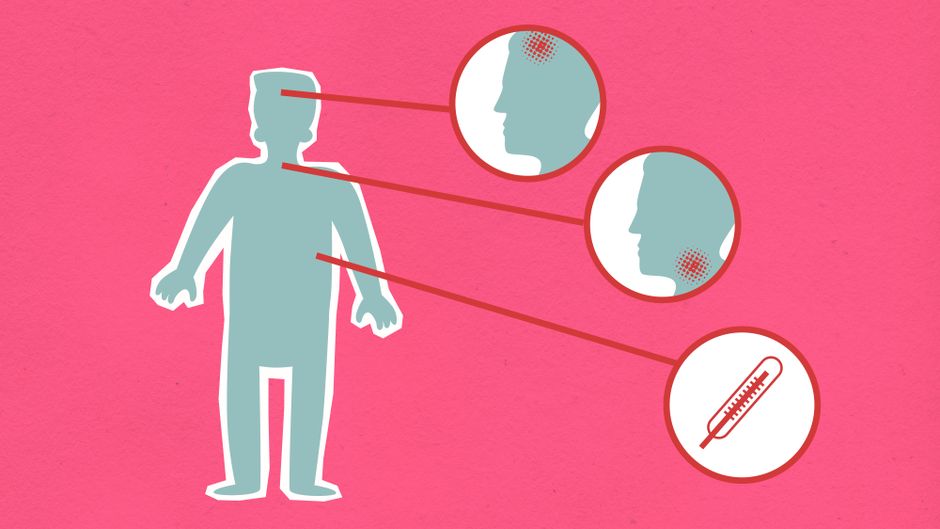
Hay fever is an allergic reaction to pollen and other airborne plant particles. It causes sneezing, a runny or blocked nose, itchy eyes, and sometimes a scratchy throat. It is not caused by a virus and it is not contagious. The symptoms come from your immune system reacting to something harmless as if it were a threat.
Roughly one in four adults in the United States has seasonal allergies, and the number has been rising for decades. Hay fever is the common name, but the medical term is allergic rhinitis — “rhinitis” means inflammation of the nasal lining. Seasonal allergic rhinitis is triggered by pollen; the year-round version is usually triggered by dust mites, pet dander, or mold.
What Causes Hay Fever?
Hay fever happens when your immune system mistakes pollen proteins for a dangerous invader. It produces an antibody called immunoglobulin E, or IgE, that is specific to that pollen. The next time you breathe in the same pollen, the IgE sits on the surface of mast cells in your nose and eyes and triggers them to release histamine and other chemicals.
Histamine is what produces most of the misery. It makes blood vessels in the nasal lining widen and leak fluid, which causes congestion and a runny nose. It irritates nerve endings, which causes sneezing and itching. It also draws in other immune cells that keep the inflammation going for hours after the pollen exposure has ended.
That delayed phase matters more than most people realize. It explains why symptoms can peak hours after you come indoors, and why an antihistamine taken after symptoms are already bad works less well than one taken before exposure.
Which pollens matter depends on where you live and the time of year:
- Tree pollen — typically early spring, though timing varies widely by region and species.
- Grass pollen — usually late spring into early summer.
- Weed pollen — commonly late summer into fall. Ragweed is the best-known example.
Weather changes the picture too. Warm, dry, windy days lift pollen into the air and spread it. Rain tends to wash pollen out of the air temporarily, though some people notice symptoms worsen during thunderstorms — a pattern researchers have documented, likely from pollen grains bursting open and releasing smaller allergen particles.
What Are the Main Hay Fever Symptoms?
The classic symptoms are sneezing, a runny nose with clear discharge, nasal congestion, and itchy, watery eyes. Itching is the telltale sign that separates allergic rhinitis from a cold — allergy makes you itch, infection usually does not.
Other symptoms people often do not connect to hay fever:
- Itchy roof of the mouth or back of the throat
- Postnasal drip and a scratchy throat
- Fatigue and poor sleep from a blocked nose
- Reduced sense of smell
- Headache or facial pressure from sinus congestion
- Dark circles under the eyes, sometimes called allergic shiners
- In children, a horizontal crease across the bridge of the nose from repeated rubbing
Many people with hay fever also have allergic asthma or eczema, because these conditions share the same underlying tendency to overreact to allergens. If pollen exposure triggers coughing, wheezing, or shortness of breath, that is worth discussing with a clinician — it may be asthma, not just hay fever.
One thing hay fever does not cause is fever. Despite the name, the “fever” in hay fever is historical. If you have an actual fever, body aches, or symptoms that clear up within a week or two, a viral infection is more likely.
How Is Hay Fever Different From a Cold?
Hay fever and a cold look similar from the outside, but the patterns differ in ways that are usually clear once you know what to look for. The table below compares the two.
| Feature | Hay fever | Cold |
|---|---|---|
| Onset | Sudden, often within minutes of exposure | Gradual over a day or two |
| Itching (eyes, nose, throat) | Common and often intense | Rare |
| Nasal discharge | Thin and clear | Often thicker, may change color |
| Fever | Never | Sometimes, more common in children |
| Body aches | No | Common |
| Duration | Weeks to months while the allergen is present | Usually about 7 to 10 days |
| Pattern | Recurs at the same time each year | Occurs any time, often after exposure to someone sick |
The recurrence pattern is often the strongest clue. If your “colds” arrive every April for years, you are probably describing seasonal allergies.





How Can You Manage Hay Fever Day to Day?
The most effective strategy is reducing exposure before symptoms start, then adding treatment on top. Neither step works well alone.
Reduce your pollen exposure
Check local pollen counts and plan outdoor activity for days when counts are lower. Counts tend to be highest on warm, dry, windy days and in the morning hours, though this varies by plant species. Keep windows closed during high-pollen periods and use air conditioning with a clean filter. After time outdoors, change clothes and shower before bed so you are not sleeping with pollen in your hair and on your skin.
Do not dry laundry outside during your allergy season. Pollen collects on fabric and comes back indoors with it.
Use saline nasal rinses
Rinsing the nose with saline physically removes pollen and thins mucus. The evidence for symptom relief is modest but consistent, and the approach is low-risk when done correctly. Use distilled, sterile, or previously boiled and cooled water — never untreated tap water. This is a real safety point: tap water can contain organisms that cause serious infections when flushed into the nasal passages.
Consider medications
Several over-the-counter options exist, and they work differently:
- Oral antihistamines block histamine and help most with sneezing, itching, and runny nose. They do less for congestion. Second-generation options such as loratadine or cetirizine cause less drowsiness than older ones like diphenhydramine.
- Intranasal corticosteroid sprays reduce inflammation in the nose and are generally considered the most effective single treatment for moderate to persistent symptoms. They work best when used daily and started before your season begins — not as needed.
- Intranasal antihistamine sprays act faster than steroid sprays but are usually used for milder or intermittent symptoms.
- Decongestant sprays relieve congestion quickly but should not be used for more than a few days in a row. Longer use causes rebound congestion that is worse than the original problem.
- Eye drops with antihistamines or mast cell stabilizers help itchy, watery eyes when nasal treatment alone is not enough.
Some clinicians recommend starting a nasal steroid spray about one to two weeks before your usual symptom season begins. This is common clinical practice rather than a strongly proven timing strategy, but it fits what is known about how these sprays work — they need time to build up their anti-inflammatory effect.
Ask about immunotherapy
Allergy shots and sublingual tablets expose you to gradually increasing amounts of an allergen to train the immune system to tolerate it. This is the only treatment approach with good evidence of changing the underlying disease rather than just controlling symptoms, and some people get lasting relief after finishing a course. It requires commitment over months to years and should be managed by a clinician. It is not a quick fix.
When Should You See a Doctor About Hay Fever?
See a clinician if over-the-counter treatments are not controlling your symptoms, if symptoms interfere with sleep or daily life, or if you develop wheezing or shortness of breath. These are signs that either the diagnosis needs a second look or the treatment plan needs to change.
Allergy testing — skin prick tests or blood tests for specific IgE — can identify exactly what you react to. That matters most when the trigger is unclear, when you are considering immunotherapy, or when you need to know whether to invest in avoiding a specific allergen.
Seek care promptly for swelling of the lips, tongue, or throat, or difficulty breathing. Those are signs of a severe reaction, not typical hay fever.
One clarification worth making: hay fever is not a sign of a weak immune system. It is a misdirected one. The immune system is doing exactly what it evolved to do — it has simply identified the wrong target.
Frequently Asked Questions
How long does hay fever last?
It lasts as long as the pollen you react to is in the air, which can be weeks to several months depending on the plant and your location. Symptoms usually resolve when that season ends and return at the same time the following year.
Can hay fever cause a fever?
No. Hay fever does not raise body temperature despite the name. A real fever points toward infection rather than allergy.
What is the fastest way to relieve hay fever symptoms?
Getting away from the pollen and rinsing your nose with saline helps quickly, and oral antihistamines usually start working within an hour or so. Nasal steroid sprays are more effective over time but take days to reach full effect.
Does honey help hay fever?
No clinical evidence confirms that eating local honey reduces hay fever symptoms. The pollen in honey comes mostly from flowers, not the wind-pollinated plants that cause seasonal allergies, and any pollen present is typically broken down during processing.
