
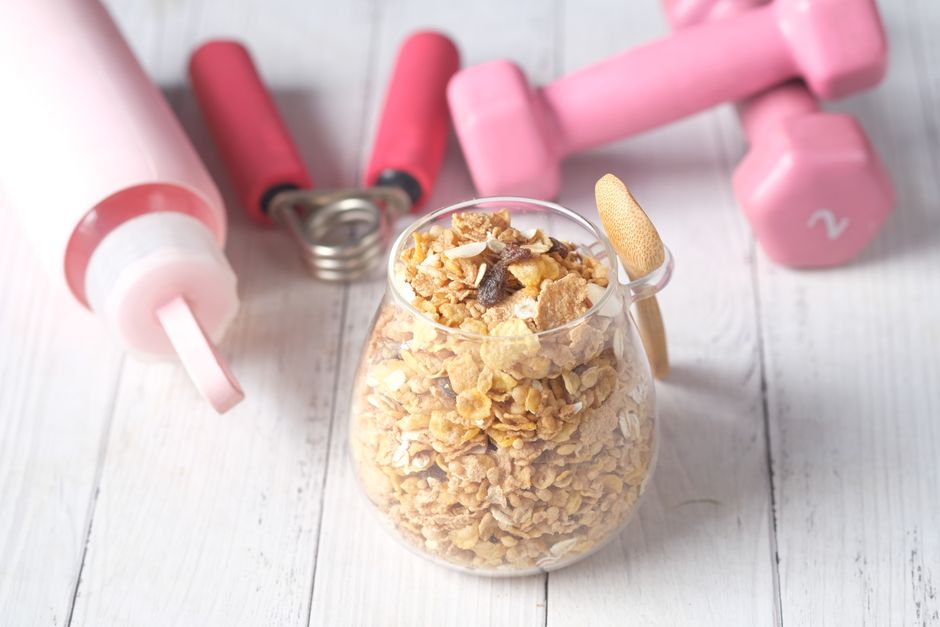
Good breakfast foods are built around protein, fiber, and whole foods rather than refined sugar and refined grains. A breakfast of eggs, plain yogurt, oats, fruit, nuts, or whole-grain toast keeps you full longer and gives your body steady fuel. A breakfast of sweet cereal, pastries, and juice delivers a quick sugar spike and often leaves you hungry again within a couple of hours.
There is no single perfect breakfast. What counts as good depends on your health, your culture, your schedule, and what you can actually eat in the morning. What the evidence does support is a clear pattern: meals that combine protein and fiber, and go easy on added sugar, tend to serve people better than the alternatives.
What Makes a Breakfast Food Good?
Two things matter most in a breakfast: how much protein and fiber it carries, and how much added sugar it brings with it. Protein and fiber both slow digestion and help trigger feelings of fullness. That combination is what separates a breakfast that holds you until lunch from one that doesn’t.
Protein is the stronger lever of the two. It takes longer to digest than carbohydrate and has a measurable effect on satiety, which is the technical term for feeling full. Fiber adds bulk and slows how quickly food moves through your gut. Together they blunt the rapid blood sugar rise you get from a bowl of sweetened cereal or a pastry.
Whole foods tend to do this naturally. Eggs, plain yogurt, oats, beans, nuts, and fruit all bring protein, fiber, or both. Ultra-processed breakfast foods — sugary cereals, toaster pastries, flavored instant oatmeal packets — tend to bring the opposite.
One clarification worth making: “natural sugar” and “added sugar” are not the same thing. The sugar in a whole apple comes packaged with fiber, water, and micronutrients. The sugar added to a cereal bar does not. Your body handles them differently, partly because of that fiber and partly because of how fast each is absorbed.
What Are Good Breakfast Foods to Eat?
These foods have strong nutritional footing and fit most eating patterns. You do not need all of them — a good breakfast usually combines two or three.
- Eggs. About 6 grams of protein per large egg, plus choline and several B vitamins. Research has largely cleared eggs of the exaggerated cholesterol concerns of past decades, though people with certain lipid disorders should follow their doctor’s advice.
- Plain Greek or regular yogurt. High in protein and calcium. Plain versions let you control the sugar; flavored yogurts can carry as much added sugar as dessert.
- Oats. A good source of soluble fiber called beta-glucan, which is linked to heart health. Choose plain rolled or steel-cut oats over sweetened instant packets.
- Fruit. Berries, bananas, apples, oranges — all bring fiber, vitamins, and water. Whole fruit beats juice almost every time.
- Nuts and seeds. Almonds, walnuts, chia, flax, and pumpkin seeds add protein, healthy fats, and fiber. Watch portions if calories matter to you.
- Whole-grain bread and toast. Look for “100% whole grain” or “whole wheat” as the first ingredient. Fiber content on the label is the quickest check.
- Beans and legumes. Less common at breakfast in the US, but black beans, chickpeas, and lentils are staples in breakfasts worldwide and are excellent sources of protein and fiber.
- Cottage cheese. Very high in protein and low in added sugar. Pairs well with fruit.
- Coffee and tea. Plain, without added sugar or heavy cream, are reasonable morning drinks. Watch the sugar in flavored coffee shop drinks.
What Breakfast Foods Should You Limit?
Foods high in added sugar and refined grains are the main ones to limit. These include sugary cereals, toaster pastries, donuts, muffins, sweetened instant oatmeal, flavored coffee drinks, and most breakfast bars marketed as “healthy.”
The issue is not that these foods are poison. It is that they tend to be low in protein and fiber, high in added sugar, and not very filling. A breakfast of this kind often leads to a blood sugar spike followed by a dip, and a return to hunger well before lunch.
Breakfast meats deserve their own note. Bacon and sausage are high in sodium and saturated fat, and processed versions are classified as processed meat. The World Health Organization’s cancer research agency classifies processed meat as carcinogenic to humans, based largely on evidence for colorectal cancer. That does not mean a slice of bacon is dangerous — it means regular, heavy consumption is a risk factor worth knowing about. Some clinicians advise keeping processed meats occasional.
Juice is a common trap. A glass of orange juice can contain as much sugar as a soft drink, with much of the fiber removed. Whole fruit is the better choice in almost every case.
Does Breakfast Help With Weight and Health?
The evidence is more mixed than the marketing suggests. Breakfast is often promoted as a weight-loss tool, but large studies have not consistently shown that eating breakfast causes weight loss. Some research suggests breakfast eaters tend to have healthier overall diets, but that may reflect who chooses to eat breakfast rather than the meal itself.
What is better established is the quality of the breakfast. A breakfast high in protein and fiber tends to reduce hunger and calorie intake later in the day. A breakfast high in refined sugar and starch tends to do the opposite. So the question “should I eat breakfast?” matters less than “what am I eating when I do?”
For people with type 2 diabetes or prediabetes, breakfast composition matters more. A breakfast that pairs protein and fiber with limited refined carbohydrate tends to produce a gentler blood sugar response than one built on cereal and juice. Some clinicians recommend this approach, though individual glucose responses vary and a doctor or dietitian is the right source for personal advice.
Skipping breakfast is not inherently unhealthy. Some people genuinely aren’t hungry in the morning and do fine eating later. The evidence does not support forcing yourself to eat breakfast if you don’t want it. What it does support is making sure that whatever you eat first in the day is not mostly sugar and refined starch.
How Do You Build a Balanced Breakfast?
Think of breakfast as a plate with three parts: a protein, a fiber source, and something with color. If you can hit two of the three, you’re doing well. If you can hit all three, you have a breakfast that will hold you.
Here is how that looks in practice:
- Eggs with whole-grain toast and a piece of fruit
- Plain Greek yogurt with berries and a spoonful of nuts or seeds
- Oatmeal made with milk, topped with banana and peanut butter
- Cottage cheese with sliced tomato and whole-grain crackers
- A bean or lentil dish with whole-grain bread
- A smoothie made with plain yogurt, frozen fruit, and oats — not just fruit and juice
Time is a real constraint for a lot of people. A few options that take under five minutes: hard-boiled eggs made ahead, overnight oats prepared the night before, plain yogurt with fruit, a handful of nuts with a banana, or whole-grain toast with peanut butter.
One non-obvious point: a breakfast doesn’t have to look like “breakfast food.” Leftover chicken, rice, and vegetables from dinner is a perfectly reasonable morning meal and often has a better protein-and-fiber profile than a bowl of cereal. Many cultures eat savory breakfasts — Japan, India, Mexico, Turkey — and there is nothing physiologically special about Western breakfast foods.
What About Special Diets and Health Conditions?
Different health conditions change what a good breakfast looks like. The general principles hold, but specifics matter.
For people with type 2 diabetes, portioning carbohydrate and prioritizing protein and fiber is the usual approach. Whole grains, beans, and non-starchy vegetables are generally better tolerated than refined carbohydrates. Individual responses vary, and a doctor or dietitian can help tailor this.
For people with high cholesterol, the old advice to avoid eggs has been substantially revised. Most current guidance emphasizes limiting saturated and trans fats over limiting dietary cholesterol. Eggs fit for most people; the saturated fat in bacon and butter matters more.
For people with celiac disease, any breakfast food containing wheat, barley, or rye must be avoided. Oats are naturally gluten-free but are often cross-contaminated during processing, so certified gluten-free oats are the safer choice.
For people with lactose intolerance, lactose-free milk, hard cheeses, and many yogurts (which are lower in lactose than milk) are often tolerated. Some people do fine with small amounts.
For pregnant women and young children, breakfast should follow the same general principles — protein, fiber, whole foods — with attention to food safety. Pregnant women are generally advised to avoid unpasteurized dairy and undercooked eggs. For infants and toddlers, no clinical guidelines exist for a specific “ideal breakfast” — the focus is on age-appropriate, nutrient-dense foods and avoiding added sugar.
Frequently Asked Questions
What is the healthiest breakfast food?
There is no single healthiest breakfast food, but eggs, plain yogurt, oats, and fruit are among the strongest choices because they combine protein, fiber, and whole-food nutrition. A breakfast built from two or three of these tends to be more filling than one built on refined grains and sugar.
Is it OK to skip breakfast?
Yes, skipping breakfast is not inherently unhealthy, and the evidence does not show that it causes harm for most adults. What matters more is the overall quality of your diet and whether skipping leads you to overeat later.
Is cereal a good breakfast?
Most cereals are not a good breakfast because they are high in added sugar and low in protein and fiber. Plain oats or cereals with whole grains, low sugar, and higher fiber are better options, especially when paired with protein like milk, yogurt, or eggs.
Are eggs good for breakfast?
Yes, eggs are a strong breakfast choice for most people, providing about 6 grams of protein per large egg plus several vitamins. People with certain lipid disorders or specific medical advice should follow their doctor’s guidance.
