
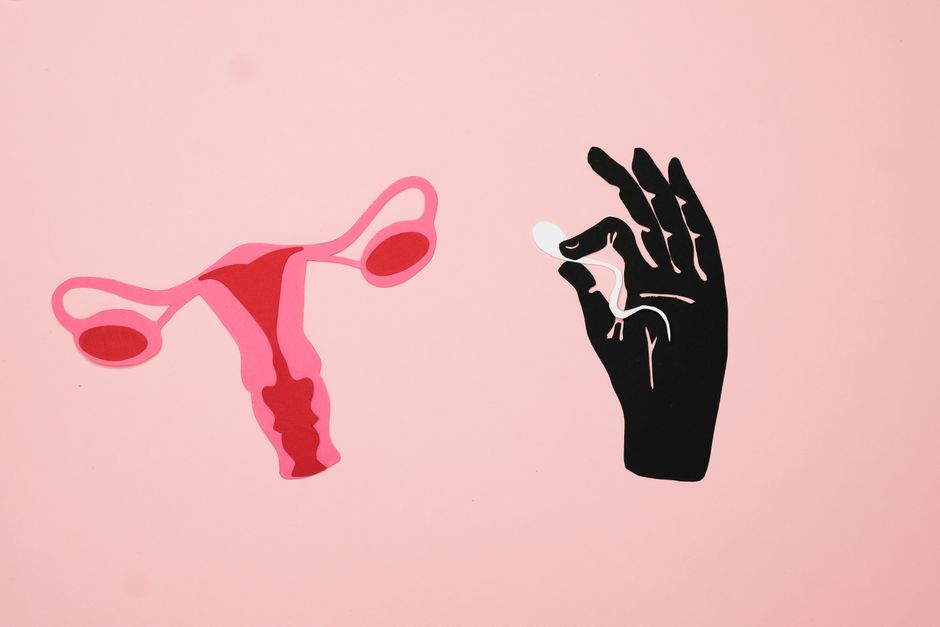
Every egg a woman will ever release started inside a tiny fluid-filled sac in her ovaries. Those sacs are called ovarian follicles, and they are the basic working units of the female reproductive system. A follicle holds a single immature egg, nourishes it, and releases it at ovulation. The number of follicles a woman has changes across her life, and that number matters for fertility, hormone levels, and menopause.
What Are Follicles In Ovaries?
An ovarian follicle is a small cluster of cells that surrounds an immature egg, also called an oocyte. The follicle protects the egg and produces hormones that help regulate the menstrual cycle.
Follicles are not the same as eggs. Each follicle contains one egg, but the follicle itself is a separate structure made of supporting cells. You can think of the follicle as a nest and the egg as what sits inside it.
Women are born with all the follicles they will ever have. Unlike sperm, which the body makes continuously, eggs and follicles do not regenerate. The supply is set at birth and only declines over time.
How Do Ovarian Follicles Develop?
Follicles move through a series of stages, and most never make it to the end. At any given time, the ovaries contain follicles at different points of development.
- Primordial follicles: The resting stage. These are the smallest and most numerous. They stay dormant until signaled to grow.
- Primary and secondary follicles: The follicle begins to grow, and the egg inside matures. Several follicles start this process each cycle.
- Antral follicles: A fluid-filled cavity forms. These are the follicles that can be seen on an ultrasound.
- Dominant follicle: Usually one follicle outgrows the rest and prepares to release its egg.
Most follicles that start growing never reach ovulation. They break down in a process called atresia. This is normal and happens throughout a woman’s reproductive years.
A non-obvious detail: the follicles that grow in any given cycle actually began their journey months earlier. The follicle that ovulates this month started developing several cycles ago. That long runway is one reason some fertility treatments take weeks to work.
What Happens During Ovulation?
Ovulation is the release of a mature egg from a dominant follicle. A surge in luteinizing hormone triggers the follicle to rupture and push the egg out of the ovary.
After the egg is released, the empty follicle transforms into a structure called the corpus luteum. The corpus luteum produces progesterone, a hormone that prepares the lining of the uterus for a possible pregnancy.
If pregnancy does not occur, the corpus luteum breaks down, progesterone drops, and the uterine lining sheds as a period. If pregnancy does occur, the corpus luteum keeps producing progesterone early on until the placenta takes over that job.
Ovulation does not always happen on a fixed schedule. Cycle length varies between women and even between cycles in the same woman. Stress, illness, and other factors can shift when ovulation occurs.




How Many Follicles Does a Woman Have?
The number of follicles drops steadily from before birth. A female fetus has the most follicles she will ever have, and the count falls from there.
Researchers generally describe the peak as several million follicles in each ovary during fetal development. By the time a girl is born, that number has already dropped. It continues to fall through childhood, the reproductive years, and into menopause.
Only a small fraction of follicles ever ovulate. Across a lifetime, a woman releases roughly 400 eggs through ovulation. The vast majority of follicles are lost to atresia rather than being used.
The rate of follicle loss is not perfectly steady. It tends to accelerate in the years leading up to menopause.
What Is Ovarian Reserve and Why Does It Matter?
Ovarian reserve refers to the number and quality of follicles a woman has left. It is a general measure of reproductive potential, not a prediction of whether pregnancy can happen.
Doctors sometimes estimate ovarian reserve using blood tests and ultrasound. Common measures include:
- Antral follicle count (AFC): The number of small follicles visible on an ultrasound at the start of a cycle.
- Anti-Müllerian hormone (AMH): A hormone produced by small follicles in the ovaries. Blood levels of AMH generally reflect the number of growing follicles.
- FSH and estradiol: Hormone levels measured early in the cycle that can offer indirect information about ovarian function.
These tests estimate quantity, not quality. A low follicle count does not automatically mean a woman cannot get pregnant, and a normal count does not guarantee it. Age remains the strongest single factor influencing egg quality.
It is worth being clear about a common misunderstanding. Ovarian reserve tests were not designed to predict natural fertility in the general population. Their main clinical use is in guiding fertility treatment decisions. Using them to make broad predictions about whether someone can conceive on their own can be misleading.
What Causes Low Follicle Count?
Low follicle count usually reflects the natural decline that comes with age. It is the expected outcome of the passage of time, not a sign that something has gone wrong.
In some cases, other factors play a role:
- Age: The single biggest factor. Follicle number falls throughout life and drops faster near menopause.
- Genetics: Family patterns of early menopause can run in families.
- Medical treatments: Chemotherapy and radiation can damage ovarian tissue and reduce follicle numbers.
- Surgery on the ovaries: Removing ovarian tissue can lower the remaining follicle supply.
- Certain conditions: Some medical conditions and chromosomal differences are linked to a reduced follicle count.
A low count on a test does not by itself cause symptoms. Many women with a low count have regular cycles and no obvious signs. The finding usually comes up during fertility testing rather than from symptoms alone.
Can You Increase Your Follicle Count?
No. The number of follicles a woman has cannot be increased. The supply is set before birth and only declines.
This is a place where marketing often outruns the evidence. Many supplements and products claim to boost egg count or improve ovarian reserve. No clinical evidence currently confirms that any supplement, diet, or lifestyle change can raise the number of follicles.
Some habits support general reproductive health, but they do not add follicles. Not smoking, limiting alcohol, and maintaining a healthy weight are reasonable steps for overall health. They should not be framed as ways to increase egg supply.
What fertility treatments can do is help more of the existing follicles mature in a single cycle. Ovulation induction medications and injectable hormones can stimulate multiple follicles to grow at once. This is a common part of treatments like IVF. It works with the follicles already present. It does not create new ones.
What Do Follicles Look Like on an Ultrasound?
On an ultrasound, antral follicles appear as small dark circles within the ovary. The fluid inside them shows up as black, while surrounding tissue looks gray.
Doctors count these visible follicles to estimate ovarian reserve. The count is typically done early in the menstrual cycle, when the results are most consistent.
A follicle that is preparing to ovulate grows larger as it develops. Tracking follicle size over several days is a standard part of monitoring for fertility treatments.
How Do Follicles Relate to Menopause?
Menopause happens when the supply of follicles is essentially used up. With few or no follicles left, the ovaries stop producing the hormones that drive the menstrual cycle.
As follicle numbers decline, cycles often become irregular. Ovulation may happen less often, and hormone levels fluctuate. This transition period is called perimenopause and can last for years.
Menopause is confirmed after 12 months without a period, and it is not caused by any single event. It reflects the end of the follicle supply that was present from birth.
What About Follicles and PCOS?
Polycystic ovary syndrome, or PCOS, is a common condition in which many small follicles accumulate in the ovaries. These follicles often do not mature and release an egg normally.
The name can be misleading. In PCOS, the ovaries are not filled with true cysts. They contain many immature follicles that stall early in development. This is one reason ovulation can be irregular or absent in women with the condition.
PCOS is diagnosed based on a combination of signs and symptoms, not a single test. If you have concerns about irregular cycles or fertility, a doctor can evaluate the pattern and rule out other causes.
Frequently Asked Questions
What are follicles in ovaries?
Ovarian follicles are small fluid-filled sacs that each contain one immature egg. They protect the egg and release hormones that help control the menstrual cycle.
How many follicles does a woman have?
A woman is born with hundreds of thousands of follicles, and the number falls over her lifetime. Only a small fraction ever release an egg through ovulation.
Can I get pregnant with a low follicle count?
Yes, a low follicle count does not automatically mean you cannot get pregnant. These tests estimate egg quantity, not quality, and age is a stronger factor for natural fertility.
Can you increase your egg count?
No, the number of follicles cannot be increased. No supplement or lifestyle change has been shown to raise follicle count, though fertility treatments can help more existing follicles mature at once.
