
Fiber is the part of plant foods your body cannot break down. Unlike fats, proteins, and carbohydrates, fiber passes through your stomach and small intestine mostly intact. It reaches your colon, where it feeds trillions of bacteria and helps move waste out of your body.
There are two main types: soluble and insoluble. Most plant foods contain both, just in different amounts. Soluble fiber dissolves in water and forms a gel. Insoluble fiber does not dissolve and adds bulk to stool. Neither type provides calories, but both do real work inside your body.
What Are Fibers In Food Soluble Insoluble More?
Fiber is a broad category of carbohydrates that your small intestine cannot digest. The two major types behave differently in water, and that difference explains most of what they do.
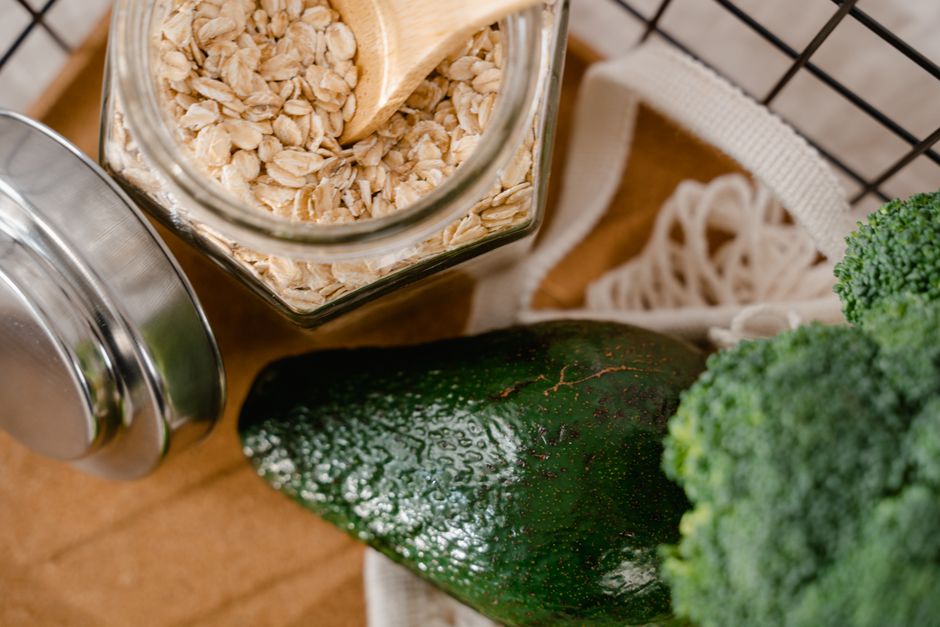
Soluble fiber dissolves in water and forms a thick gel. This gel slows digestion and can help soften stool. It also feeds beneficial bacteria in your colon. Good sources include oats, barley, beans, lentils, apples, citrus fruits, and psyllium husk.
Insoluble fiber does not dissolve in water. It adds bulk and roughage to stool, which helps move material through your digestive tract. Good sources include whole wheat, brown rice, nuts, seeds, and the skins of many fruits and vegetables.
Some fibers are fermentable, meaning gut bacteria break them down and produce short-chain fatty acids. Others are viscous, meaning they form gel. These categories overlap with soluble and insoluble but are not identical. A fiber can be soluble but not viscous, or insoluble but still fermentable.
This matters because marketing often treats “soluble” and “insoluble” as the whole story. They are a useful starting point, not the full picture.
How Do Soluble and Insoluble Fiber Differ?
The key difference is how each type interacts with water. Soluble fiber absorbs water and swells into a gel. Insoluble fiber stays largely intact and passes through mostly unchanged.
That single difference drives most of their effects:
- Soluble fiber slows the rate at which food leaves your stomach. This can affect how quickly glucose enters your bloodstream after a meal.
- Soluble fiber can bind to some bile acids and cholesterol in the gut, which may influence blood cholesterol levels.
- Insoluble fiber speeds up transit time in the colon and adds bulk to stool.
- Insoluble fiber helps prevent constipation by making stool easier to pass.
Neither type is “better.” They work in different parts of the digestive system and serve different purposes. Most health organizations recommend eating a variety of plant foods rather than focusing on one type.
What Does Soluble Fiber Do In The Body?
Soluble fiber forms a gel in your digestive tract. That gel slows digestion and can smooth out blood sugar spikes after meals. It also traps some substances, including bile acids, and carries them out of the body.
Some soluble fibers are fermented by gut bacteria. This fermentation produces short-chain fatty acids like butyrate, acetate, and propionate. These compounds feed the cells lining your colon and may influence metabolism and immune function.
Evidence on cholesterol is reasonably consistent. Soluble fiber from oats and barley can lower LDL cholesterol modestly when eaten regularly as part of a diet low in saturated fat. The effect is real but not dramatic. It is not a replacement for medication in people who need it.
Evidence on blood sugar is more mixed. Some studies show that soluble fiber blunts post-meal glucose rises. Other studies show smaller effects. The benefit appears to depend on the type of fiber, the dose, and the rest of the meal.
What Does Insoluble Fiber Do In The Body?
Insoluble fiber adds bulk to stool and helps it move through your colon more efficiently. It acts like a broom, sweeping material along. This is why it is often recommended for constipation.
Insoluble fiber also helps regulate bowel movements by absorbing some water and making stool softer and larger. Larger stool is easier for your colon to push along.
Not all insoluble fiber is the same. Wheat bran is a well-studied example that clearly helps with constipation. Other insoluble fibers, like cellulose from vegetables, have less dramatic effects.
Insoluble fiber is not fermented much by gut bacteria. So it does not produce the short-chain fatty acids that soluble fiber does. Its main job is mechanical: bulk and transit.
Which Foods Contain Which Type Of Fiber?
Most plant foods contain both types. The table below shows roughly which type dominates in common foods.
| Food | Main Fiber Type | Notes |
|---|---|---|
| Oats | Soluble (beta-glucan) | Well-studied for cholesterol |
| Barley | Soluble (beta-glucan) | Similar effects to oats |
| Beans and lentils | Both, mostly soluble | Also fermentable |
| Apples | Both (pectin is soluble) | Skin adds insoluble fiber |
| Whole wheat | Mostly insoluble | Wheat bran helps constipation |
| Brown rice | Mostly insoluble | Less fermentable |
| Nuts and seeds | Mostly insoluble | Also contain some soluble |
| Psyllium husk | Mostly soluble | Forms gel, used as supplement |
The practical takeaway: eat a range of plant foods. You do not need to track which type you are getting. If you eat fruits, vegetables, whole grains, beans, nuts, and seeds, you are getting both.
How Much Fiber Do You Need Per Day?
Most adults in the United States need between 25 and 38 grams of fiber per day. The exact amount depends on age and sex. The Dietary Guidelines for Americans recommend 25 grams for women and 38 grams for men under age 50. After age 50, the recommendation drops slightly because calorie needs decrease.
Most Americans eat only about 15 grams per day. That is roughly half of what is recommended. This gap is one of the most consistent findings in nutrition surveys.
Children need less. Recommended intake scales with age. No universal guideline exists for infants under one year, though fiber from fruits and vegetables is generally introduced as part of normal feeding.
If you want to increase fiber, do it gradually. Adding too much too fast can cause bloating, gas, and cramping. Your gut bacteria need time to adjust. Increase over several weeks and drink enough water, because fiber without water can make constipation worse.
Can Fiber Help With Weight, Heart Health, and Blood Sugar?
Fiber can support weight management, but the effect is modest. High-fiber foods tend to be more filling and take longer to eat. People who eat more fiber often weigh less, but this is partly because they tend to eat more vegetables and less processed food overall.
For heart health, the evidence is stronger. Diets high in fiber are consistently linked to lower risk of heart disease. Soluble fiber from oats and barley can lower LDL cholesterol when part of a healthy diet. The effect is real but not large enough to replace medication when medication is needed.
For blood sugar, the picture is mixed. Soluble fiber can slow glucose absorption and blunt post-meal spikes. But the size of the effect varies widely depending on the fiber source and the person. Fiber is not a treatment for diabetes. It is one part of a healthy eating pattern.
One clarification worth making: fiber supplements are not the same as fiber from food. Psyllium is one of the better-studied supplements and does have evidence for constipation and cholesterol. Many other fiber supplements have less evidence. Food sources also provide vitamins, minerals, and plant compounds that supplements do not.
What Happens If You Eat Too Much Or Too Little Fiber?
Too little fiber is common and linked to constipation, hemorrhoids, and diverticular disease. Low-fiber diets are also associated with higher risk of heart disease, type 2 diabetes, and some cancers, though the reasons are not fully understood and likely involve many diet and lifestyle factors.
Too much fiber is less common but possible. Eating very large amounts can cause bloating, gas, diarrhea, or cramping. In rare cases, a large fiber mass can cause a blockage, especially in people with certain digestive conditions or a history of bowel surgery.
If you have IBS, Crohn’s disease, ulcerative colitis, or another digestive condition, fiber can affect you differently. Some people do better with soluble fiber and worse with insoluble. Others need to limit certain types. Talk to your doctor or a dietitian before making big changes.
Fiber is not a cure for anything. It is one part of a healthy diet. The evidence for its benefits is strongest for bowel regularity, cholesterol, and heart health. For other claims, the evidence is more limited.
Frequently Asked Questions
What is the difference between soluble and insoluble fiber?
Soluble fiber dissolves in water and forms a gel, while insoluble fiber does not dissolve and adds bulk to stool. Both are found in plant foods, often in the same food.
Which foods are highest in soluble fiber?
Oats, barley, beans, lentils, apples, citrus fruits, and psyllium husk are among the best sources of soluble fiber. These foods also contain some insoluble fiber.
How much fiber should I eat per day?
The Dietary Guidelines for Americans recommend about 25 grams per day for women and 38 grams for men under age 50. Most people eat only about 15 grams per day.
Can eating too much fiber be harmful?
Eating very large amounts of fiber can cause bloating, gas, diarrhea, or cramping. In rare cases, it can contribute to a bowel blockage, especially in people with certain digestive conditions.
