
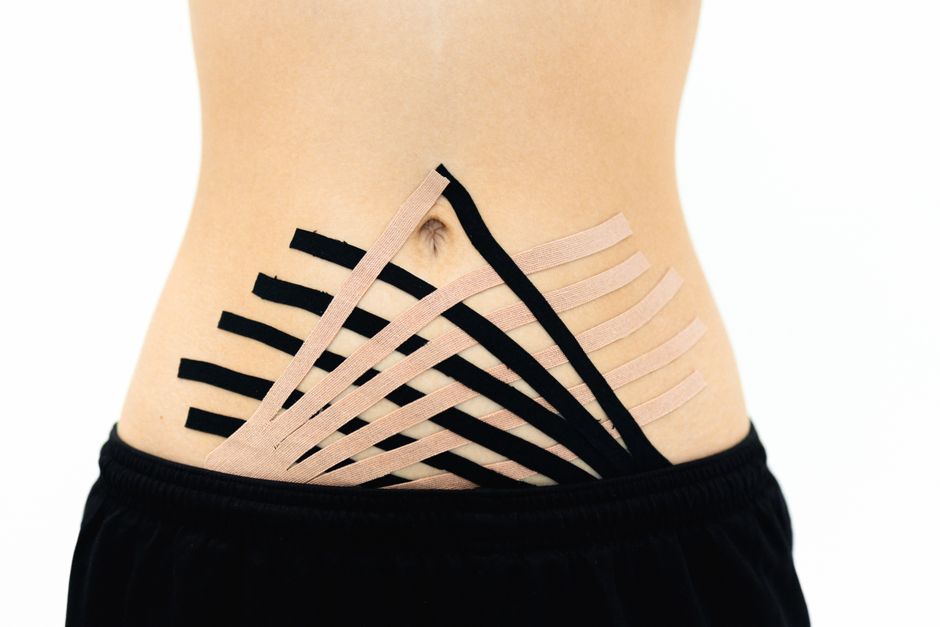
Fascial adhesions are areas where the fascia — the thin, web-like connective tissue that wraps around every muscle, bone, nerve, and organ — becomes stuck together. Instead of sliding smoothly, layers of fascia bind to each other or to the structures beneath them, which can restrict movement and cause pain. They form when the body’s normal healing response goes beyond repair and starts laying down extra, disorganized tissue, often after injury, surgery, or prolonged poor posture.
What Is Fascia and Why Does It Matter?
Fascia is everywhere in your body. It surrounds each muscle fiber, each bundle of muscle fibers, and the entire muscle itself. It also wraps around organs, blood vessels, and nerves. Think of it like the white, tough skin you see on a piece of raw chicken — that is fascia.
Healthy fascia is hydrated, flexible, and arranged in a wavy pattern. It allows layers of tissue to glide past one another as you move. When you twist, reach, or bend, the fascia stretches and recoils like a spring. This gliding ability is essential for normal, pain-free movement.
Fascia also contains a dense network of nerve endings. This means it is highly sensitive. When fascia becomes restricted or adhered, those nerves can send pain signals even if the muscle itself is fine.
What Are Fascial Adhesions and How Do They Form?
An adhesion is essentially a scar. When tissue is damaged, the body sends cells to the area to patch it up. These cells produce collagen, the main protein in connective tissue. In healthy healing, collagen is laid down in an organized, parallel pattern that matches the surrounding tissue. In adhesion formation, the collagen is laid down in a dense, disorganized, cross-linked mesh.
This abnormal collagen creates a physical tether. The layers of fascia that should slide freely become glued together. The adhesion itself is not always painful. The problem is the tension it creates. Every time you move, the adhesion pulls on the tissues around it, which can irritate nerves and restrict blood flow.
Several things can trigger this process:
- Injury: A sprain, strain, or direct blow damages tissue and starts the healing cascade.
- Surgery: Any incision cuts through fascia. Scar tissue forms as part of normal healing but can become excessive.
- Repetitive strain: Doing the same motion over and over, like typing or lifting, creates micro-tears that accumulate over time.
- Prolonged immobility: Sitting in one position for hours, especially with poor posture, shortens and stiffens fascia. It literally adapts to the shortened position.
- Inflammation: Conditions that cause chronic inflammation in the body can drive excess collagen production.
Not every injury leads to adhesions. Many heal cleanly. Adhesions are more likely when healing is prolonged, when the area is repeatedly stressed before it fully repairs, or when inflammation persists.
How Do Fascial Adhesions Feel?
Symptoms vary depending on where the adhesion is and how large it is. Some people feel a deep, aching pain. Others feel a sharp, pinching sensation with certain movements. Many describe a feeling of tightness or stiffness that does not go away with stretching.
Adhesions can also cause referred pain. This means the pain is felt somewhere other than where the adhesion is located. A fascial adhesion in the gluteal region, for example, can cause pain down the back of the leg that mimics sciatica. This makes diagnosis challenging.
Restricted range of motion is common. You might notice you cannot reach as far overhead, or that twisting your torso feels limited. The restriction often feels mechanical, like a physical block, rather than just muscle soreness.





Can You See Fascial Adhesions on Imaging?
Standard imaging like X-rays and CT scans cannot show fascia clearly. These scans are designed to look at bone and dense structures. MRI can show fascia in some cases, but standard MRI protocols often miss subtle adhesions.
Ultrasound is emerging as a useful tool. High-resolution ultrasound can show fascial thickness, density, and gliding in real time. Some clinicians use it to confirm a suspected adhesion and to guide treatment. However, ultrasound is operator-dependent. The quality of the image and the interpretation depend heavily on the skill of the person performing it.
In most cases, fascial adhesions are diagnosed through physical examination. A clinician palpates the area, feeling for restricted movement, tenderness, and tissue texture changes. This is not an exact science, and two clinicians may assess the same area differently.
What Treatment Options Exist?
Treatment for fascial adhesions focuses on breaking down the abnormal tissue and restoring normal gliding. The evidence base is mixed, and results vary widely between individuals.
Manual therapy is the most common approach. This includes myofascial release, deep tissue massage, and instrument-assisted techniques like Graston or scraping tools. The idea is that sustained pressure or friction breaks up the adhesions and encourages the tissue to remodel. Some research supports these approaches for short-term pain relief and improved range of motion. Long-term effectiveness is less well documented.
Foam rolling and self-massage are widely used at home. These tools apply pressure to the tissue, which can temporarily reduce tension and improve blood flow. There is limited high-quality evidence that foam rolling permanently changes fascial structure. It may work more by affecting the nervous system’s perception of tension than by physically breaking down tissue.
Stretching helps maintain and improve flexibility, but it is unclear whether stretching alone can break an established adhesion. Slow, sustained stretching that targets the specific restricted area is generally recommended.
Dry needling involves inserting thin needles into trigger points and areas of fascial restriction. Some studies suggest it can reduce pain and improve mobility, but the evidence is not conclusive.
Shockwave therapy and laser therapy are sometimes used. These modalities aim to stimulate healing and tissue remodeling. Evidence for their effectiveness on fascial adhesions specifically is limited.
No medication is approved specifically to dissolve fascial adhesions. Anti-inflammatory drugs can reduce pain but do not address the underlying tissue restriction.
Can Fascial Adhesions Be Prevented?
Prevention is more straightforward than treatment. The goal is to keep fascia healthy and mobile so adhesions have less chance to form.
Regular movement is the most important factor. Fascia is dynamic tissue. It responds to mechanical loading. Moving through a full range of motion regularly keeps the tissue hydrated and organized. This does not require intense exercise. Walking, reaching, twisting, and bending throughout the day are enough.
Avoiding prolonged static positions matters. If you sit at a desk, stand up and move every hour. Short movement breaks are more effective than one long workout followed by hours of sitting.
Staying hydrated supports fascial health. Fascia is largely made of water-binding molecules. Dehydration can make fascia stiffer and more prone to restriction. There is no specific water intake recommendation for fascia health, but general hydration guidelines apply.
After an injury or surgery, early gentle movement is key. This is why physical therapists encourage patients to move soon after procedures. Controlled movement guides collagen to lay down in an organized pattern rather than a tangled mesh. The specific timing and type of movement should be guided by a clinician, as too much too soon can worsen the problem.
When Should You See a Professional?
Fascial adhesions are not a medical emergency. However, persistent pain or restricted movement that does not improve with self-care within a few weeks warrants evaluation.
See a clinician if you experience:
- Pain that limits daily activities or sleep
- Sudden loss of range of motion
- Numbness, tingling, or weakness in a limb
- Pain after an injury that does not improve
- A lump or area of hardness under the skin that is tender
These symptoms can also indicate other conditions, including muscle tears, nerve compression, or joint problems. A thorough evaluation is needed to rule out more serious issues before assuming fascial adhesions are the cause.
What Does the Research Actually Show?
Fascial research is a young field. The existence of fascia as a distinct tissue is well established. Its role in movement and sensation is increasingly documented. However, the concept of fascial adhesions as a primary cause of pain remains debated.
Some researchers argue that what clinicians call adhesions are actually areas of increased tissue density or altered sensitivity. Others point out that the body’s connective tissue is constantly remodeling, and what feels like a permanent adhesion may be a temporary state of increased tension.
Studies on myofascial release and related therapies show modest benefits for pain and mobility in some populations. These studies are often small and have methodological limitations. Larger, well-controlled trials are needed to confirm whether specific treatments physically break down adhesions or simply change how the brain perceives tension.
The honest position is this: fascial adhesions are a plausible explanation for certain types of pain and restriction, and treatments aimed at them help some people. But the evidence is not strong enough to guarantee outcomes, and no single approach works for everyone.
What Is the Difference Between Fascial Adhesions and Trigger Points?
These terms are often confused. A trigger point is a hyperirritable spot within a taut band of skeletal muscle. It is a muscle phenomenon. When pressed, a trigger point refers pain to another area of the body.
A fascial adhesion is a restriction within the connective tissue itself. It is not a spot in the muscle but a binding between layers of fascia. The two often coexist. Tight fascia can pull on muscle, creating trigger points. Muscle tension can, in turn, put stress on fascia and promote adhesion formation.
Treatment approaches overlap. Both respond to manual pressure, stretching, and needling. But the target tissue is different.
Frequently Asked Questions
Can fascial adhesions go away on their own?
Some adhesions can remodel and resolve on their own, especially if they are small and the area is kept moving. Larger or older adhesions often persist without intervention.
How long does it take to break up a fascial adhesion?
There is no standard timeline. Some people notice improvement within a few sessions of manual therapy, while others require weeks or months of consistent treatment.
Is foam rolling effective for fascial adhesions?
Foam rolling can temporarily reduce tension and improve mobility, but there is limited evidence that it permanently breaks down established adhesions. It is best used as part of a broader movement and stretching routine.
Are fascial adhesions the same as scar tissue?
Yes, in most cases. Fascial adhesions are a form of scar tissue that forms within the fascial layers. They are created by the same collagen-producing healing process as external scars.
