
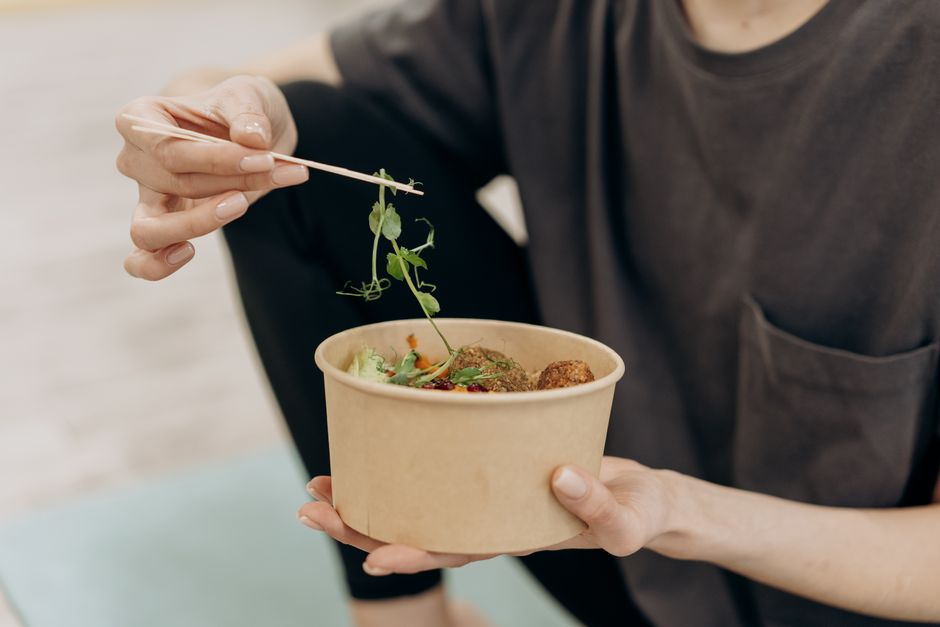
Falafel balls are small, deep-fried patties made from ground chickpeas or fava beans, mixed with herbs and spices. They are a traditional Middle Eastern food, most commonly served inside pita bread with vegetables and tahini sauce. The name comes from the Arabic word “filfil,” which refers to pepper, hinting at the seasoned, spiced nature of the mixture.
What Are Falafel Balls Made Of?
The core ingredients in traditional falafel are simple: dried chickpeas or fava beans, onion, garlic, fresh herbs like parsley and cilantro, and a blend of spices such as cumin and coriander. The key detail is that the legumes are used dried and soaked, not cooked. This is not a minor point. Cooked or canned chickpeas have a softer texture and higher moisture content, which causes the mixture to fall apart during frying. Dried, soaked chickpeas retain a firm, starchy structure that holds together when ground and fried.
Some regional variations use fava beans instead of chickpeas, or a combination of both. In Egypt, falafel is often made with fava beans and is called ta’ameya. In Israel and Lebanon, chickpeas are the standard base. The choice of legume affects flavor and texture but not the basic nutritional profile in any major way.
Binding agents like flour or baking soda are sometimes added in small amounts. Baking soda can help the falafel puff slightly during frying, but it is not required in every recipe. The herbs and spices are not just for flavor. They contribute color, aroma, and some antioxidant compounds, though the amounts are too small to make falafel a significant source of those compounds in the diet.
How Are Falafel Balls Cooked?
Traditional falafel is deep-fried in oil. The shaped balls or patties are dropped into hot oil and cooked until they are dark golden brown and crisp on the outside. The high heat creates a crust quickly, which helps prevent the inside from absorbing too much oil. If the oil is not hot enough, the falafel will absorb more fat and may become greasy or fall apart.
Deep-frying is the classic method, but it is not the only one. Some people bake falafel in an oven, often after brushing or spraying them with a small amount of oil. Baked falafel is lower in fat than fried falafel, but the texture is different. It tends to be drier and less crispy. Air-frying is another option that has become popular. It uses hot circulating air to create a crust with much less oil than deep-frying.
The cooking method matters for nutrition. Frying adds fat and calories. Baking and air-frying reduce the fat content significantly. However, even baked falafel is not a low-calorie food because the chickpeas themselves provide carbohydrates and some fat. The difference is in the added oil.
Are Falafel Balls Healthy?
Falafel balls sit in a middle ground. They are made from legumes, which are a good source of plant protein, fiber, and some vitamins and minerals. Chickpeas, for example, provide fiber, folate, iron, and magnesium. That part of the picture is positive.
The frying process changes things. Deep-fried falafel is high in fat and calories. A typical falafel ball weighs about 17 grams and, when fried, contains roughly 50 to 60 calories and 3 to 4 grams of fat. The exact numbers vary by recipe and size. Eating three or four falafel balls in a pita sandwich with tahini sauce and vegetables can easily add up to a meal with significant fat and calories.
The evidence on whether falafel itself is “healthy” is not clear-cut. No large human trials have tested falafel as a standalone food and measured health outcomes. What we know comes from the nutritional composition of the ingredients and the effects of cooking methods. Legumes are consistently associated with better heart health and lower risk of chronic disease in large population studies. But those studies look at legume consumption in general, not falafel specifically.
If falafel is eaten occasionally as part of a balanced diet, it can fit. If it is eaten frequently in large portions and deep-fried, it can contribute to excess calorie and fat intake. The context matters more than the food itself.





What Is the Nutritional Profile of Falafel Balls?
The exact nutritional content of falafel varies widely depending on the recipe, the size of the balls, and the cooking method. A homemade baked falafel will have a different profile than a restaurant deep-fried version. The table below gives a general range based on common recipes and standard nutrient databases.
| Nutrient | Fried Falafel (per ball, ~17g) | Baked Falafel (per ball, ~17g) |
|---|---|---|
| Calories | 50–60 | 35–45 |
| Total Fat | 3–4 g | 1–2 g |
| Carbohydrates | 4–5 g | 5–6 g |
| Fiber | 1–2 g | 1–2 g |
| Protein | 2–3 g | 2–3 g |
| Sodium | 50–100 mg | 50–100 mg |
These numbers are estimates. The actual values depend on how much oil is absorbed during frying, the ratio of chickpeas to herbs, and whether salt is added. Restaurant falafel tends to be larger and higher in sodium than homemade versions.
One thing that does not change much between fried and baked versions is the protein and fiber content. Those come from the chickpeas and remain relatively stable. The main difference is fat and calories from the oil.
Are There Risks or Downsides to Eating Falafel?
For most people, eating falafel occasionally is not a concern. But there are a few points worth knowing.
- High in fat and calories when fried. Deep-fried falafel is calorie-dense. Eating it often or in large portions can contribute to weight gain if it pushes total calorie intake above what the body needs.
- Potential for oil quality issues. Reused frying oil can contain compounds that are not good for health. This is a concern in some restaurants, though not unique to falafel.
- Allergy concerns. Chickpeas and fava beans are legumes. People with allergies to these foods should avoid falafel. Fava beans can also cause a serious reaction in people with G6PD deficiency, a genetic condition. This is a well-established risk.
- Sodium content. Restaurant falafel and the sauces served with it can be high in sodium. For people watching their blood pressure, this matters.
- Gluten. Some recipes add flour as a binder. Traditional falafel made only from chickpeas, herbs, and spices is naturally gluten-free, but cross-contamination or added ingredients can change that.
None of these risks make falafel dangerous for the general population. They are simply factors to be aware of, especially if falafel is a regular part of the diet.
How Does Falafel Fit Into a Balanced Diet?
Falafel can be part of a balanced diet when eaten in moderation and with attention to how it is prepared and what it is served with. A falafel sandwich in a whole-wheat pita with plenty of vegetables, tahini, and a side of salad is a more balanced meal than a plate of falafel alone with fried potatoes.
The legumes provide protein and fiber. The vegetables add vitamins and minerals. The tahini adds healthy fats and some calcium. The pita adds carbohydrates for energy. Together, these components create a meal with a mix of macronutrients.
The main thing to watch is portion size and frequency. One or two falafel balls as part of a larger meal is different from eating six or eight at once. Baked or air-fried versions reduce the fat content. Choosing those methods when possible can make falafel a lighter option.
For people following a plant-based diet, falafel can be a useful source of protein. But it should not be the only source. Variety matters. Legumes like lentils, beans, and peas, along with whole grains, nuts, and seeds, provide a broader range of nutrients.
What Is the Difference Between Falafel and Other Bean Patties?
Falafel is not the only bean-based patty in the world. There are many variations, and they differ in ingredients, texture, and cooking methods.
One common comparison is between falafel and veggie burgers. Veggie burgers often use a mix of beans, grains, and vegetables. They may be bound with eggs or cheese. Falafel is more specific: it is made from chickpeas or fava beans, and the mixture is typically uncooked before frying. This gives falafel a denser, more granular texture than most veggie burgers.
Another comparison is with Indian pakoras or Middle Eastern kibbeh. Pakoras are made with chickpea flour and vegetables, then fried. They have a different texture and flavor profile. Kibbeh is made with bulgur and meat or vegetables, not whole legumes.
The key difference is the base ingredient and the preparation method. Falafel relies on soaked, raw legumes for structure. That is what makes it distinct.
Frequently Asked Questions
Are falafel balls vegan?
Traditional falafel balls are vegan because they are made from chickpeas or fava beans, herbs, and spices, with no animal products. However, some recipes add egg or dairy as a binder, and the sauces served with falafel may contain yogurt or other animal ingredients.
Are falafel balls gluten-free?
Falafel made only from chickpeas, fava beans, herbs, and spices is naturally gluten-free. Many recipes add wheat flour as a binder, and cross-contamination can occur in restaurants, so people with celiac disease or gluten sensitivity should check ingredients carefully.
Can you eat falafel balls cold?
Falafel can be eaten cold, but the texture changes. Cold falafel is denser and less crispy than freshly fried falafel. It is often eaten cold in sandwiches or wraps, but the flavor and texture are different from when it is served hot.
How many calories are in one falafel ball?
A typical fried falafel ball weighing about 17 grams contains roughly 50 to 60 calories. Baked falafel balls of the same size contain about 35 to 45 calories. The exact number depends on the recipe and cooking method.
