
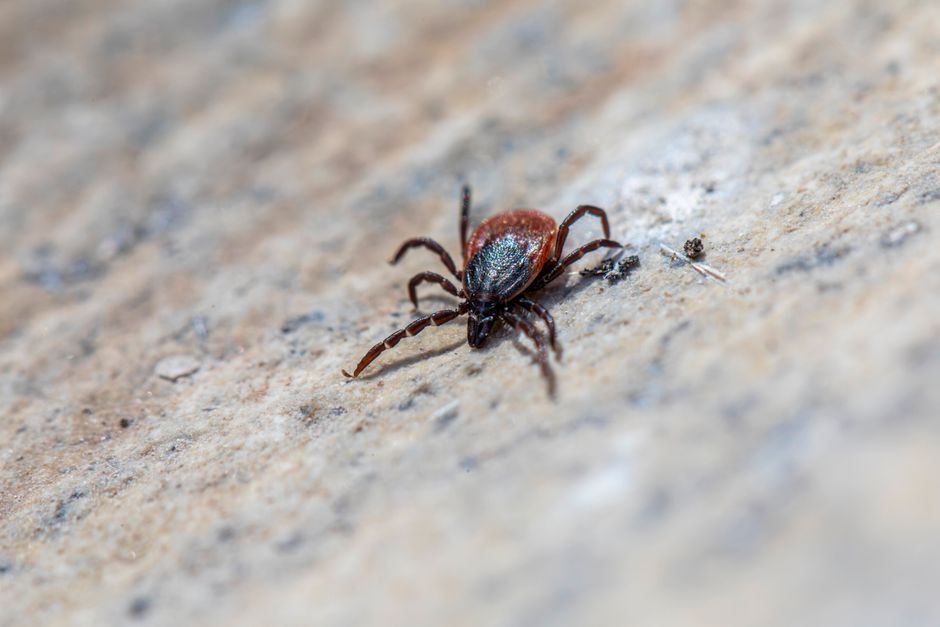
An external parasite is an organism that lives on the outside of another organism — its host — and takes what it needs to survive from that host’s body. Fleas, ticks, lice, mites, and bedbugs are the ones most people meet. They feed on blood, skin, or oils, and in doing so they can cause itching, allergic reactions, skin damage, and sometimes pass along disease-causing germs.
The “host” is simply the animal or person the parasite lives on. External parasites — also called ectoparasites — affect hosts in three main ways: by feeding on them, by triggering immune and allergic responses, and by acting as carriers for other infections. How serious that becomes depends on the parasite, how many there are, and how long the infestation goes untreated.
What Are External Parasites And How Do They Affect Hosts?
External parasites are organisms that complete part or all of their life cycle on the surface of a host’s body. Some, like lice, live on humans almost exclusively. Others, like ticks and fleas, feed on many different animals and use humans as an occasional host.
The word “external” describes where they live, not how they harm. A flea on your skin can cause a reaction anywhere on your body, and a tick bite can lead to illness that affects joints, nerves, or the heart. The damage is often far from the bite itself.
Ectoparasites fall into a few broad groups:
- Insects — fleas, lice, and bedbugs. These have six legs and a segmented body.
- Arachnids — ticks and mites, which have eight legs as adults and are related to spiders.
- Larvae of certain flies — some fly species lay eggs on or in a host, and the developing larvae feed on tissue.
Each group has its own feeding habits and its own way of interacting with the host’s body. That is why the effects differ so much from one parasite to the next.
How Do External Parasites Feed On A Host?
Most blood-feeding ectoparasites have mouthparts built to pierce skin and draw blood. A flea uses a combination of cutting and sucking structures. A tick cuts a small opening and inserts a barbed feeding tube, then holds on with a cement-like substance it produces.
Blood is not a trivial meal. It is mostly water and protein, and a parasite has to concentrate the nutrients while getting rid of the excess fluid. Many blood feeders manage this by producing large amounts of saliva and by excreting fluid quickly. This is one reason their saliva contains so many active compounds — it has to keep blood flowing and stop it from clotting while the parasite feeds.
Not all external parasites feed on blood. Lice feed on tiny amounts of skin and body oils. Some mites feed on skin cells and debris. Bedbugs are blood feeders but do not live on the body — they hide nearby and come out to feed, usually at night.
A non-obvious point: the parasite’s saliva, not the bite wound itself, causes most of the immediate reaction. The body responds to proteins in that saliva as foreign material, and that immune response is what produces the itch and the bump.
Why Do Parasite Bites Itch And Cause Skin Reactions?
The itching and redness after a bite are an allergic response to proteins in the parasite’s saliva. The immune system recognizes these proteins as foreign and releases histamine and other signaling chemicals. Histamine is what makes skin itch and swell.
Reactions vary widely between people. Someone who has never been exposed to a particular parasite may show little at first. With repeated exposure, the immune system becomes sensitized, and reactions can become stronger and faster. Over a long period, some people develop tolerance and react less. This pattern — little reaction, then strong reaction, then partial tolerance — is well described for several ectoparasites.
Scratching makes things worse. Broken skin lets bacteria in, and a small itchy bump can turn into an infected sore. This is a common path from a minor bite to a skin infection that needs medical care. Keeping nails short and resisting the urge to scratch matters more than most people realize.
Some people develop more than a local reaction. Flea allergy dermatitis is a recognized condition in which a person becomes highly sensitive to flea saliva and develops widespread, intensely itchy patches from just a few bites. Similar hypersensitivity reactions occur with other biting parasites.
How Do External Parasites Transmit Disease?
Some external parasites are not just a nuisance — they are vectors. A vector is an organism that carries a disease-causing agent from one host to another. Ticks are the clearest example in the United States, and they transmit several distinct illnesses.
When a tick feeds, its saliva and gut contents can carry bacteria, viruses, or other organisms into the host’s bloodstream. The longer a tick stays attached, the greater the chance of transmission for many tick-borne diseases. This is why prompt removal of an attached tick is standard advice.
Fleas can transmit bacteria that cause illness in humans, though this is uncommon in modern settings with good sanitation. Body lice can spread certain bacterial infections when people live in crowded conditions without regular access to washing. Scabies mites and head lice, by contrast, are not known to transmit disease — they cause skin problems and discomfort but are not disease vectors.
It is worth separating these clearly. A parasite being unpleasant is not the same as a parasite being dangerous. Head lice are a good example: they are common, contagious, and frustrating, but they do not carry disease.
What Are The Most Common External Parasites Affecting People?
The ectoparasites people most often encounter differ in where they live, how they spread, and what they do to the host. The table below compares the main ones.
| Parasite | Lives on body? | Feeds on | Main effect | Spreads disease? |
|---|---|---|---|---|
| Head lice | Yes — scalp hair | Blood (small amounts) | Itching, scalp irritation | No |
| Body lice | In clothing, feed on body | Blood | Itching, skin irritation | Can spread certain bacteria |
| Fleas | No — live in environment | Blood | Itchy bites, allergic reactions | Rarely, in specific settings |
| Ticks | Attach temporarily | Blood | Bite reaction, illness risk | Yes — several diseases |
| Scabies mites | Yes — burrow into skin | Skin tissue | Intense itching, rash | No |
| Bedbugs | No — hide nearby | Blood | Itchy bites, distress | Not known to transmit disease |
Ticks deserve extra attention because they are the leading vector of disease to humans in the United States. Different tick species carry different organisms, and the risk depends heavily on where you live and what you do outdoors.
How Do External Parasites Affect Animals And Livestock?
The same principles apply to animals, but the stakes can be higher. Heavy infestations of fleas, ticks, or mites can cause anemia from blood loss, especially in young or small animals. Mites cause mange, a skin condition that leads to hair loss, thickening of the skin, and severe itching.
In livestock, external parasites reduce weight gain, lower milk production, and damage hides. The economic impact is significant, and control programs are a routine part of animal agriculture for that reason. This is a case where the effect on the host is measured in health and productivity together.
Pets can also bring parasites into the home. A dog that picks up fleas outdoors can seed an infestation indoors, because fleas spend most of their lives off the animal — in carpets, bedding, and cracks. Treating the pet without addressing the environment often fails, which is why veterinary guidance usually covers both.
How Are External Parasite Infestations Recognized And Managed?
Recognition starts with the pattern of symptoms. Itching that is worse at night, a rash in skin folds, visible insects or specks in the hair, or a ring of redness around a bite all point in different directions. A clinician or veterinarian can often identify the parasite by examining the skin, hair, or clothing directly.
Management depends entirely on the parasite, and this is where people most often go wrong. A product that works on one ectoparasite may do nothing against another. Head lice, scabies, and ticks each have their own established approaches, and some treatments require a prescription.
For ticks, the standard advice is to remove an attached tick promptly with fine-tipped tweezers, pulling steadily upward without twisting, then cleaning the area. Watch for symptoms in the following weeks and seek medical advice if they appear. For lice and scabies, established treatments exist and are widely used, though resistance to some lice treatments has been reported. For bedbugs, the solution is professional pest control rather than a medical product, because the parasite is not living on the body.
No single product or remedy covers every external parasite. Anyone unsure what they are dealing with should get an identification first rather than guessing at treatment.
How Can External Parasite Exposure Be Reduced?
Prevention is specific to each parasite, but a few general measures help across the board. Avoiding tall grass and brush in tick-heavy areas, checking the body after time outdoors, and showering soon after can reduce tick attachment. Washing bedding and clothing in hot water helps with lice and bedbugs.
For pets, consistent use of veterinarian-recommended parasite control is the main defense, combined with regular checks of the skin and coat. Keeping wildlife away from the home and sealing gaps where rodents enter reduces flea and tick pressure around the property.
It is fair to say that no prevention method is perfect, and exposure can happen even with good habits. The goal is to reduce risk and catch problems early, not to eliminate all possibility.
Frequently Asked Questions
Are external parasites contagious from person to person?
It depends on the parasite. Head lice and scabies spread readily through close contact, while fleas and ticks are picked up from the environment or animals and are not passed person to person.
Do all external parasites carry disease?
No. Ticks are the main disease vectors among common ectoparasites in the United States, while head lice and scabies mites are not known to transmit disease.
How long can a tick stay attached before it causes harm?
Many tick-borne infections become more likely the longer a tick stays attached, which is why prompt removal is recommended. The exact risk period varies by the specific disease and tick species.
Can external parasites live in clothing and bedding?
Some can. Body lice live in clothing, and bedbugs hide in bedding and furniture near where people sleep, so washing and heat-treating these items is part of managing them.
