
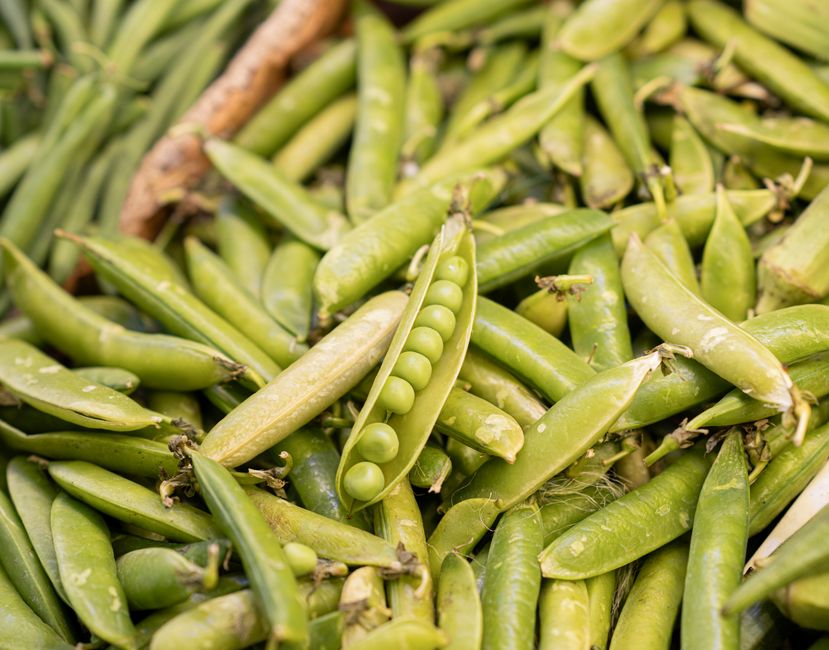
Dry peas are the mature, dried seeds of the field pea plant, sold as whole peas or split peas in green and yellow varieties. They are high in protein and fiber, low in fat, and inexpensive. You cook them by simmering in water — split peas in about 30 to 45 minutes, whole peas in 60 to 90 minutes — with no soaking required for split types.
Most Americans know peas as the small green vegetables in the freezer aisle. Those are immature peas, picked young and eaten fresh. Dry peas are a different food entirely. They are left on the vine until fully mature, then dried down to a hard seed with a long shelf life and a much denser nutrient profile.
What Are Dry Peas Exactly?
Dry peas are the dried seeds of Pisum sativum, the same species that gives us garden peas and snow peas. The difference is harvest timing. Fresh green peas are picked before the seed matures. Dry peas stay on the plant until the seed is fully formed and the pod dries out.
Once harvested, the peas are cleaned and dried further to a low moisture level so they store well. At that point they are hard enough to rattle in a jar. They need cooking to become edible.
There are two broad forms sold in stores:
- Whole dry peas — the intact round seed with its seed coat still on. These hold their shape better after cooking.
- Split peas — whole peas with the seed coat removed and the seed split in half. These cook faster and break down into a smoother texture.
Dry peas belong to the legume family, sometimes called pulses. The word pulse refers specifically to the dried edible seed of a legume plant. So lentils, chickpeas, and dry beans are also pulses. This matters nutritionally because pulses share a similar pattern of high protein, high fiber, and low fat.
What Are the Main Types of Dry Peas?
Color and form are the two things that separate dry peas on the shelf. Green and yellow are the dominant types, and each comes whole or split.
Yellow peas
Yellow split peas are the most common split pea sold in the US. They cook down into a smooth, mild puree and are the traditional base for split pea soup. Yellow peas are also the main ingredient in many plant-based protein isolates, because they are cheap, widely grown, and relatively neutral in flavor.
Green peas
Green split peas have a slightly earthier, sweeter taste than yellow and hold a bit more color after cooking. Whole green dry peas are common in Indian cooking, where they are cooked into curries and dal. They keep their shape better than split peas and have a firmer bite.
Whole versus split
The split form is not a different plant. It is a processing choice. Removing the seed coat and splitting the seed speeds up cooking and changes texture. Whole peas take longer but stay intact, which suits salads, stews, and dishes where you want distinct pieces rather than a puree.
What Is the Nutrition of Dry Peas?
Dry peas are a strong source of plant protein and fiber with very little fat. The exact numbers vary by type and by whether the pea is whole or split, but the general profile is consistent.
Per the USDA nutrient database, a one-quarter cup of dry split peas (about 50 grams, dry weight) provides roughly:
| Nutrient | Approximate amount |
|---|---|
| Calories | 170 |
| Protein | 12 grams |
| Fiber | 8 grams |
| Fat | Under 1 gram |
| Carbohydrate | 30 grams |
That fiber figure is worth pausing on. Eight grams in a quarter cup of dry peas is a large share of the daily fiber most adults should aim for. Dry peas also supply iron, potassium, folate, and B vitamins. Yellow and green peas differ slightly in micronutrient content, but the difference is small enough that it should not drive your choice.
One clarification that often gets lost: dry peas are not a complete protein on their own. Like most legumes, they are low in the amino acid methionine. That does not make them a poor protein source. It just means they work best alongside grains, which supply the missing amino acid. Rice and peas, bread and pea soup, pasta and pea dishes — these pairings are not accidents.


Are Dry Peas Healthy?
Dry peas fit well into most eating patterns, and the evidence for legumes as a food group is reasonably strong. Research consistently links regular legume intake to better diet quality and to favorable effects on cholesterol and blood sugar compared with refined grains and processed foods.
The fiber in dry peas is mostly soluble, the type that forms a gel in the gut and slows digestion. That slow digestion is why peas and other legumes tend to produce a lower blood sugar rise than many starchy foods. The evidence for this effect is solid.
Where the evidence gets thinner is in specific claims. You will see dry peas marketed for weight loss, gut health, and blood sugar control as if each were a proven outcome. The honest position is that legumes are a well-established healthy food, but no single food produces dramatic results on its own.
One practical caution: dry peas contain compounds called galacto-oligosaccharides that humans cannot digest. Gut bacteria ferment them, which produces gas. This is normal and not a sign of a problem. Starting with smaller portions and increasing gradually gives your gut time to adjust.
How Do You Cook Dry Peas?
Cooking dry peas is simple. The main variables are water, time, and whether you are working with whole or split peas.
Rinse and pick over first. Spread the peas on a plate or tray and look for small stones or shriveled seeds. Rinse under cold water. This step takes a minute and prevents an unpleasant surprise.
Split peas do not need soaking. Add one cup of split peas to about three cups of water, bring to a boil, then reduce to a simmer. They typically take 30 to 45 minutes to become soft. Skim off the foam that rises early on.
Whole dry peas benefit from soaking. Soak them in plenty of water for several hours or overnight, then drain. Simmer in fresh water for 60 to 90 minutes until tender. Soaking shortens cooking time and helps them cook more evenly.
Salt timing is a matter of preference. Older advice said salt toughens legume skins and should go in only at the end. Some cooks still follow this. Modern testing has been mixed on how much difference it makes with peas specifically. If you are unsure, salt near the end of cooking.
Acid goes in last. Tomatoes, lemon, and vinegar can slow the softening of legumes. Add them once the peas are already tender.
A few practical notes that make a real difference:
- Hard water and old peas both slow cooking. Peas that have sat in the pantry for years may never soften fully.
- Split peas thicken as they cool, so pull them off the heat while slightly looser than you want the final texture.
- Cooked peas keep in the refrigerator for several days and freeze well.
What Can You Make With Dry Peas?
Split peas are the easiest starting point. They puree smoothly into soup, and they work as a thickener for stews and curries without any blending. Yellow split peas make a mild, creamy soup. Green split peas give a slightly sweeter, more vegetal result.
Whole dry peas are more versatile than many people realize. Cooked whole green peas hold their shape and work in salads, grain bowls, and Indian dishes like matar dal. They can be simmered into a hearty stew or mashed roughly for a textured side dish.
Dry peas also appear in foods you may not think of as pea-based. Pea protein powder, common in plant-based meat and protein supplements, is made from yellow peas. Pea flour shows up in some gluten-free baking. These are processed forms, though, and they do not carry the same fiber content as the whole cooked pea.
How Should You Store Dry Peas?
Dry peas keep well in an airtight container in a cool, dark place. Under good conditions they stay usable for a long time, but they do lose quality. Older peas take longer to cook and soften less evenly. Buying from a store with reasonable turnover helps.
Once cooked, peas should be refrigerated promptly. As with any cooked food, follow standard food safety guidance for how long cooked dishes can be kept — generally a few days in the refrigerator. Freeze portions you will not finish in that window.
Frequently Asked Questions
Do you have to soak dry peas before cooking?
Split peas do not need soaking and cook in about 30 to 45 minutes. Whole dry peas benefit from soaking for several hours or overnight, which shortens cooking time and helps them cook evenly.
Are dry peas the same as green peas?
No. Dry peas are the fully mature, dried seeds of the pea plant, while the green peas sold fresh or frozen are picked young and eaten before drying. They come from the same plant but are different foods with different cooking needs.
How much protein is in dry peas?
About 12 grams of protein per quarter cup of dry split peas, according to USDA data. Dry peas are not a complete protein on their own, so they work best paired with grains.
Why do dry peas cause gas?
Dry peas contain certain carbohydrates that human digestion cannot break down, so gut bacteria ferment them and produce gas. This is normal, and starting with smaller portions and increasing gradually usually helps your gut adjust.
