
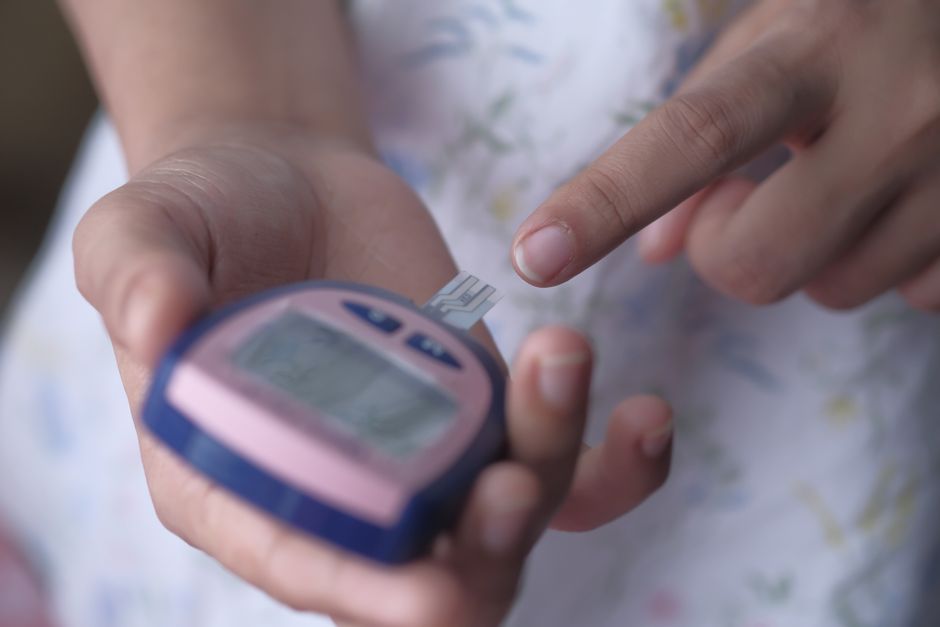
Blood sugar numbers only mean something when you know what range they should fall in. For most adults with diabetes, the American Diabetes Association (ADA) sets a target A1C below 7%, which corresponds to an estimated average glucose of about 154 mg/dL. Day-to-day, that generally means aiming for glucose between 80 and 130 mg/dL before meals and under 180 mg/dL one to two hours after a meal begins. These are starting points, not rules. Your own targets can shift based on your age, other health conditions, how long you have had diabetes, and how your body responds to treatment.
What Are Diabetic Glucose Levels And Targets?
Glucose targets are the blood sugar ranges your care team uses to judge whether your diabetes plan is working. They come from large studies showing that keeping glucose closer to normal reduces the risk of long-term complications, especially damage to the eyes, kidneys, and nerves.
The ADA publishes the most widely used targets in the United States. For many nonpregnant adults:
- A1C: below 7%
- Before meals: 80 to 130 mg/dL
- Peak after meals (1 to 2 hours): less than 180 mg/dL
A1C is a blood test that reflects average glucose over roughly the past two to three months. It does not show spikes or lows. That is why a person can have a normal-looking A1C and still have wide swings between high and low readings. The A1C and the daily numbers tell different parts of the same story.
One point worth understanding: the 80 to 130 mg/dL range applies to people checking with a meter or continuous glucose monitor. It is not the same as the normal range for someone without diabetes, which is generally 70 to 99 mg/dL fasting. Diabetes targets are set slightly higher on purpose, to balance complication risk against the danger of low blood sugar.
Why A1C Below 7% Is the Standard Target
The 7% figure comes from a large clinical trial called the Diabetes Control and Complications Trial, which studied people with type 1 diabetes, and from a follow-up study in people with type 2 diabetes called the UK Prospective Diabetes Study. Both found that tighter glucose control lowered the risk of microvascular complications — problems in the small blood vessels of the eyes, kidneys, and nerves.
What those trials did not show is that pushing glucose as low as possible is always better. In people with long-standing type 2 diabetes and existing heart disease, very aggressive control has not consistently reduced death rates and can increase the risk of severe low blood sugar. That is why the target is a range, not a single number to chase.
A lower A1C is not automatically a better A1C. The right target depends on the person.
When Your Target Should Be Different
Not everyone should aim for 7%. The ADA and other groups recommend adjusting the target when the standard one would cause more harm than good. This is a clinical judgment, made with your doctor, not something to change on your own.
Stricter targets (such as below 6.5%) may be appropriate for some people with a short duration of diabetes, a long life expectancy, and low risk of hypoglycemia. Looser targets (such as below 8%) are often considered for people with a history of severe low blood sugar, limited life expectancy, advanced complications, or many other medical conditions.
Older adults are a good example. For someone in their 80s living in a care facility with several chronic illnesses, the priority is often avoiding lows and maintaining quality of life, not hitting a perfect number. For a healthy 45-year-old newly diagnosed with type 2 diabetes, tighter control may make more sense.
Pregnancy is a separate case entirely. Glucose targets during pregnancy are tighter and are managed by obstetric and diabetes specialists. No clinical guidelines support using standard nonpregnant targets during pregnancy.





What the Numbers Mean: Reading Your Results
Each type of glucose measurement answers a different question. Knowing which is which helps you understand what your results are actually telling you.
| Measurement | What it shows | Typical diabetes target |
|---|---|---|
| Fasting glucose | Glucose after at least 8 hours without eating | 80 to 130 mg/dL |
| Pre-meal glucose | Glucose before a meal | 80 to 130 mg/dL |
| Post-meal glucose | Glucose 1 to 2 hours after eating | Less than 180 mg/dL |
| A1C | Average glucose over about 2 to 3 months | Below 7% |
Diagnostic thresholds are separate from treatment targets. Diabetes is diagnosed when fasting glucose is 126 mg/dL or higher, A1C is 6.5% or higher, or a two-hour glucose tolerance test reading is 200 mg/dL or higher, confirmed on a second test. A person can be diagnosed at those numbers and then work toward the treatment targets above.
For people using a continuous glucose monitor, another number matters: time in range. This is the percentage of the day glucose stays between 70 and 180 mg/dL. Many clinicians now look at time in range alongside A1C, because it captures the day-to-day ups and downs that an average hides. A commonly cited goal is above 70% time in range, though the best target for any individual is set with their care team.
What Causes Glucose to Rise and Fall
Glucose is not controlled by food alone. In type 1 diabetes, the body produces little or no insulin, so glucose rises without injected insulin to move it into cells. In type 2 diabetes, the body still makes insulin but the cells respond poorly to it, and over time insulin production may also fall. Both patterns push glucose above target.
Several everyday factors move the numbers in ways that surprise people:
- Food: Carbohydrates raise glucose most; the amount and type both matter.
- Physical activity: Movement usually lowers glucose, but intense exercise can briefly raise it.
- Stress and illness: Stress hormones raise glucose, and infections can push it up sharply.
- Medication: Some drugs, including certain steroids, raise glucose as a side effect.
- Sleep and timing: Poor sleep and the dawn hours can shift readings.
This is why a single high reading is rarely meaningful on its own. Patterns over days and weeks are what guide changes to treatment.
How Often Should You Check Your Glucose?
There is no single answer, because the right frequency depends on your type of diabetes and your treatment. People with type 1 diabetes generally need to check multiple times a day, often using a continuous monitor. People with type 2 diabetes who take insulin usually need regular checks too.
People with type 2 diabetes managed with diet, exercise, and medications that do not cause low blood sugar may need to check far less often. Some check a few times a week; some check only around specific meals or when they feel unwell. The frequency that makes sense for you is a conversation with your care team, not a fixed rule.
Checking more is not automatically better. The value comes from what you do with the information — spotting patterns and adjusting the plan with your doctor.
What About Low Blood Sugar?
Glucose targets exist partly to prevent lows, and this is where the numbers get serious. Hypoglycemia is generally defined as glucose below 70 mg/dL. It can cause shakiness, sweating, confusion, and in severe cases, loss of consciousness.
Low blood sugar is most common in people who take insulin or certain other diabetes medications, such as sulfonylureas. It is a real risk and one reason targets are not pushed lower for everyone. If you take one of these medications, ask your care team how to recognize and treat a low, and what your personal low-glucose threshold should be.
This is also why “lower is better” is the wrong way to think about glucose. The goal is a range that keeps you safe from both highs and lows.
Frequently Asked Questions
What is a normal blood sugar level for a person with diabetes?
For many adults with diabetes, the target is 80 to 130 mg/dL before meals, under 180 mg/dL after meals, and an A1C below 7%. Your own targets may differ based on your age, health, and medications.
Is an A1C of 7% good for diabetes?
An A1C below 7% is the standard target for many nonpregnant adults with diabetes. Some people need a higher or lower goal, which is decided with a doctor.
What blood sugar level is dangerously high?
There is no single cutoff that means danger for everyone, but very high readings with symptoms like extreme thirst, confusion, or vomiting need urgent medical attention. Call your doctor or seek emergency care rather than waiting.
Can I lower my A1C without medication?
Diet, physical activity, and weight loss can lower A1C for some people with type 2 diabetes, though results vary widely. Whether medication is needed is a decision for you and your doctor.
