
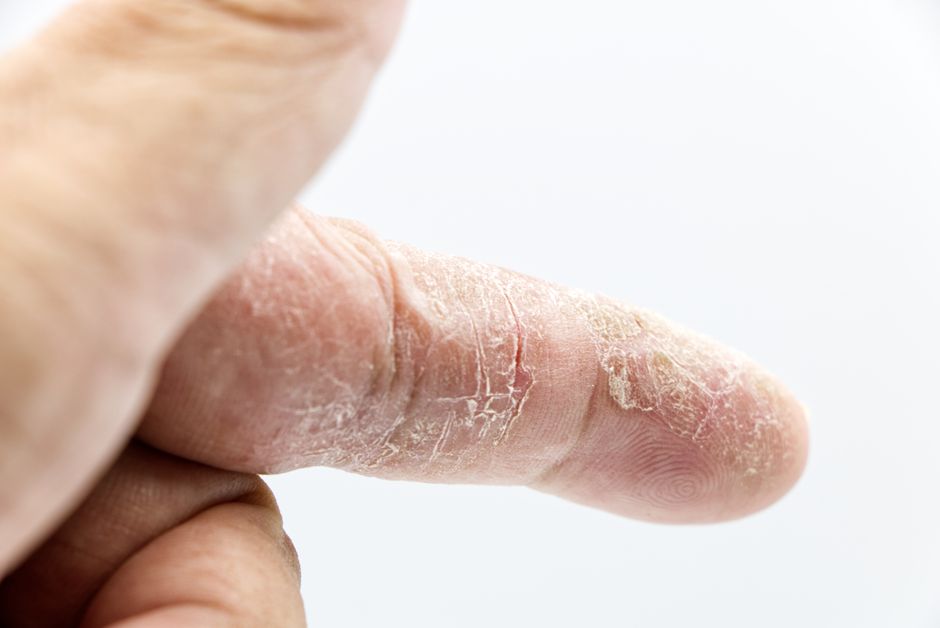
Malaysia’s heat and humidity create near-perfect conditions for a long list of skin problems. The most common skin conditions in Malaysia include eczema (atopic dermatitis), fungal infections like ringworm and tinea versicolor, acne, urticaria (hives), contact dermatitis, and insect bite reactions. Skin colour also matters here: conditions that look red or pink on lighter skin often look brown, grey, or purple on Malaysian skin, which can delay recognition.
Malaysia sits near the equator. Temperatures hover around 30°C most days, humidity often climbs above 80%, and most people spend hours in air conditioning and then step back into heat. That constant swing, plus a population of Malay, Chinese, Indian, and indigenous groups with different skin tones, shapes how skin disease appears and how it is managed.
What Are Common Skin Conditions In Malaysia?
The list below covers what dermatology clinics in Malaysia see most often. Some are driven by climate. Some are driven by genetics. A few are driven by both.
- Atopic dermatitis (eczema) — itchy, dry, inflamed patches, often in elbow and knee folds. Flares with heat, sweat, and harsh soaps.
- Fungal infections — ringworm (tinea corporis), athlete’s foot (tinea pedis), and tinea versicolor (pityriasis versicolor). Heat and sweat are major contributors.
- Acne vulgaris — common across all ethnic groups, with a risk of dark marks and scarring in skin of colour.
- Urticaria (hives) — raised, itchy welts. Often triggered by heat, sweat, pressure, or infection.
- Contact dermatitis — reactions to soaps, cosmetics, metals, plants, or occupational chemicals.
- Insect bite reactions — mosquito and other bites that can become large, itchy, or secondarily infected.
- Miliaria (heat rash) — blocked sweat ducts causing tiny bumps, especially in hot, humid weather.
This is not an exhaustive list. Pigmentary disorders such as melasma and post-inflammatory hyperpigmentation are also very common and are covered further below.
Why Does Malaysia’s Climate Make Skin Problems Worse?
Heat and humidity change how skin behaves in measurable ways. Sweat glands work harder. Skin surface stays wet longer. That environment favours fungal growth and irritates eczema-prone skin.
Fungal organisms that cause ringworm and tinea versicolor thrive in warm, moist conditions. Occlusive clothing, tight shoes, and long hours in sweaty clothes increase the chance of infection. The same conditions worsen heat rash, because sweat ducts get blocked when sweat cannot evaporate efficiently.
Air conditioning adds a second stress. Moving between cold, dry indoor air and hot, humid outdoor air repeatedly can dry out the skin barrier. For people with eczema, that swing often triggers flares. Some clinicians advise moisturising after time in air conditioning, though the evidence for this specific habit is based more on general skin barrier physiology than on large trials.
One non-obvious point: humidity does not mean skin is well hydrated. High humidity can reduce the sensation of dryness while the skin barrier is still compromised. People with eczema often underestimate how dry their skin is in Malaysia.
What Does Eczema Look Like On Malaysian Skin?
Eczema on Malaysian skin often looks different from textbook photos. Instead of bright red, inflamed patches, eczema frequently appears as brown, grey, or purple thickened skin. On darker skin tones, the inflammation can be subtle and easy to miss.
This matters for diagnosis. A parent or patient comparing their skin to images of red, angry eczema may not recognise their own rash. Doctors who are not familiar with skin of colour may also under-recognise eczema severity. Research on skin of colour has consistently shown that erythema (redness) is harder to detect on darker skin, which can delay treatment.
Other features of eczema include intense itching, especially at night, dry and rough texture, and lichenification — thickened, leathery skin from chronic scratching. In Malaysian skin, chronic eczema often leaves dark marks (post-inflammatory hyperpigmentation) that persist long after the active rash settles.
How Are Fungal Skin Infections Different From Eczema?
This is one of the most common diagnostic confusions in Malaysia. Fungal infections and eczema can look similar, but the treatment is completely different. Using a steroid cream on a fungal infection can make it worse.
Ringworm typically forms a ring-shaped patch with a clearer centre and a raised, scaly edge. Tinea versicolor causes patches of lighter or darker skin on the chest, back, and shoulders, often with fine scaling. It is not usually itchy, which distinguishes it from eczema. Athlete’s foot causes peeling, cracking, and itchiness between the toes.
Eczema, by contrast, is usually very itchy, tends to appear in skin folds, and responds to moisturisers and anti-inflammatory treatment. Fungal infections respond to antifungal treatment, not steroids.
If a rash is not improving with standard eczema treatment, or is getting worse with steroid cream, a fungal infection should be considered. A doctor can confirm this with a skin scraping examined under a microscope or with a fungal culture.
Why Does Acne Leave Dark Marks More Often In Malaysian Skin?
Acne is common everywhere, but the aftermath is different in Asian and darker skin tones. Post-inflammatory hyperpigmentation (PIH) — dark marks left after a pimple heals — is more frequent and more persistent in skin of colour.
The mechanism is well established. Inflammation from acne triggers melanocytes (pigment-producing cells) to produce extra melanin. In darker skin, melanocytes are more active, so the response is stronger. The mark can last months to years.
This changes how acne should be managed. Preventing new pimples matters more when every pimple risks a long-lasting dark mark. Picking or squeezing pimples increases inflammation and therefore increases the risk of pigmentation. Sun protection also matters, because ultraviolet light can darken existing marks.
Acne scarring — true indentations or raised scars — is a separate issue from PIH. Scars are structural and generally do not fade on their own. Dark marks are pigment and usually do fade, though slowly.
What Triggers Hives And Heat Rash In Hot Weather?
Urticaria and heat rash are both common in Malaysia, and both are linked to heat. They are different conditions with different mechanisms.
Heat rash (miliaria) happens when sweat ducts get blocked. Sweat leaks into surrounding skin, causing tiny itchy bumps. It is most common in hot, humid conditions and in people who sweat heavily. Keeping skin cool and dry is the main way to reduce it.
Urticaria (hives) is a different process. It involves histamine release from mast cells, causing raised, itchy welts that move around and usually resolve within 24 hours in each spot. Heat, sweat, pressure, and friction can trigger a physical form of urticaria in some people. Infections and some medications are also common triggers. In many cases, no specific cause is found.
Chronic urticaria — hives lasting more than six weeks — is worth investigating with a doctor. Most cases are not caused by allergy, which surprises many people. Routine allergy testing is not usually helpful for chronic hives unless there is a clear history suggesting a trigger.
How Should Skin Of Colour Be Cared For In Malaysia?
Skin of colour has some biological differences that affect care. Melanocytes are more active, which means pigment changes are more common after injury, inflammation, or sun exposure. The skin barrier may also differ in how it loses water, though research on this is still developing.
Practical points that apply broadly:
- Sun protection matters. UV exposure worsens melasma, darkens post-inflammatory marks, and increases skin cancer risk. Daily sunscreen is reasonable for most people, though specific SPF recommendations should follow general public health guidance.
- Avoid harsh scrubs and strong soaps. These damage the skin barrier and can trigger eczema flares and irritation.
- Treat inflammation early. The longer inflammation lasts, the more pigment is produced. Early treatment of acne, eczema, and other inflammatory conditions reduces the risk of long-lasting marks.
- See a doctor for persistent or changing rashes. Self-treatment with steroid creams bought without a prescription is common in Malaysia and can worsen fungal infections and thin the skin over time.
One clarification worth making: darker skin is not immune to skin cancer. It is less common, but skin cancers in skin of colour are often diagnosed later because they are less expected. Any new, changing, or non-healing spot deserves medical review.
When Should You See A Doctor About A Skin Problem?
Most skin conditions in Malaysia are not dangerous, but some need medical review. Knowing when to seek help prevents complications and reduces the risk of long-term pigmentation or scarring.
See a doctor if a rash is spreading quickly, is painful, is accompanied by fever, or is not improving after a reasonable trial of basic care. Also seek review if a mole is changing in size, shape, or colour, or if a sore does not heal.
For chronic conditions like eczema, acne, or hives, a doctor can confirm the diagnosis and discuss treatment options. Self-diagnosis is common, and so is misdiagnosis. Fungal infections treated as eczema, and eczema treated as fungal infections, are both frequent in clinical practice.
The evidence for many skin treatments is strong for some conditions and limited for others. Established treatments for eczema, acne, and fungal infections have reasonable evidence behind them. Many over-the-counter “skin brightening” or “anti-inflammatory” products sold in the region have little or no clinical evidence. It is reasonable to ask a doctor or pharmacist what is actually supported.
Frequently Asked Questions
What is the most common skin disease in Malaysia?
Eczema (atopic dermatitis) and fungal skin infections are among the most common reasons people see a doctor for skin problems in Malaysia. Acne is also extremely common across all age groups and ethnicities.
Why do fungal infections happen so often in Malaysia?
Malaysia’s hot, humid climate creates ideal conditions for fungi to grow on skin. Sweat, tight clothing, and long hours in moist environments increase the risk.
Does eczema look different on Malaysian skin?
Yes. On Malaysian and darker skin tones, eczema often appears brown, grey, or purple rather than red. This can make it harder to recognise and can delay treatment.
Can I use steroid creams bought without a prescription?
Steroid creams bought without a prescription can worsen fungal infections and thin the skin if used incorrectly. They should be used only after a doctor has confirmed the diagnosis.
