
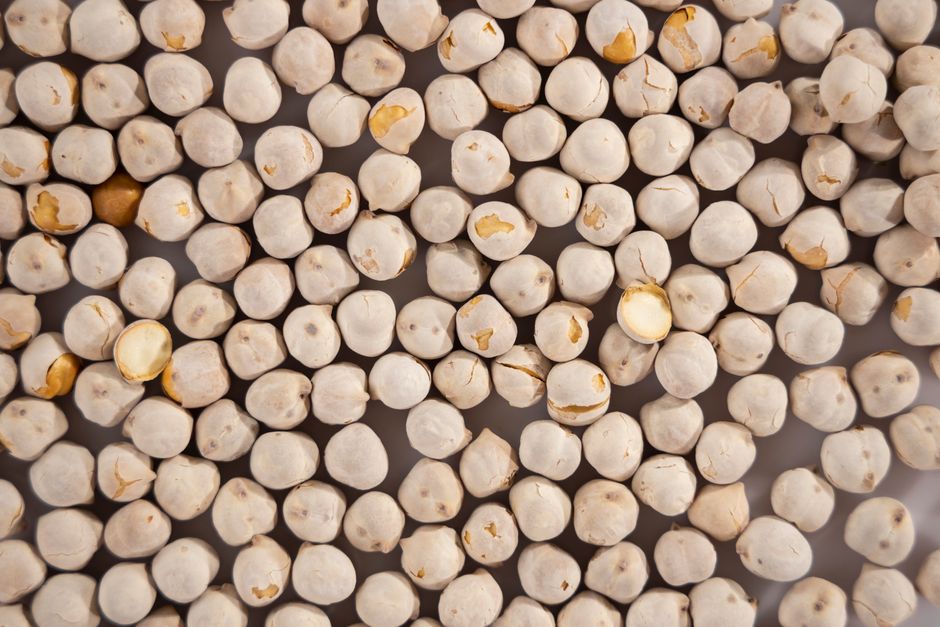
Chickpeas, also called garbanzo beans, are among the most widely eaten legumes in the world. They are a reliable source of plant protein, fiber, and several key vitamins and minerals. For beginners, the short answer is that chickpeas are good for supporting steady energy, digestive health, and heart health when eaten as part of a balanced diet.
What Are Chickpeas Good For Nutritionally?
Chickpeas are a nutrient-dense food. A single cup of cooked chickpeas provides roughly 15 grams of protein and about 12 grams of dietary fiber. They also deliver significant amounts of folate, iron, phosphorus, and manganese.
Unlike many refined carbohydrates, chickpeas digest slowly. This is because their fiber and protein slow the breakdown of starch into sugar. That makes them a practical food for keeping blood sugar steady after a meal, which is valuable for anyone managing type 2 diabetes or insulin resistance.
Their fat content is low, and most of what is there is polyunsaturated fat. Chickpeas are naturally free of cholesterol and gluten, which makes them a staple in many plant-based and allergen-conscious diets.
How Do Chickpeas Support Digestive Health?
The fiber in chickpeas is mostly insoluble fiber, which adds bulk to stool and helps prevent constipation. But chickpeas also contain a type of soluble fiber called raffinose.
Raffinose is not digested in the small intestine. Instead, it travels to the colon where gut bacteria ferment it. This fermentation produces short-chain fatty acids, which feed the cells lining the colon and support a healthy gut environment.
This is also why chickpeas cause gas for many people. The fermentation process naturally produces gas as a byproduct. If you are new to eating chickpeas regularly, your gut needs time to adjust. Starting with small portions and gradually increasing intake over one to two weeks can reduce discomfort.
Can Chickpeas Help With Weight Management?
Chickpeas are useful for weight management, though not because of any special fat-burning property. They are simply filling. The combination of protein and fiber delays stomach emptying, which means you feel full longer after eating them.
Some research suggests that people who regularly eat legumes, including chickpeas, tend to have lower body weight and less belly fat compared to those who do not. This is likely because replacing refined grains or processed snacks with chickpeas reduces overall calorie intake without leaving you hungry.
One practical point worth noting: the way you eat chickpeas matters. Roasted chickpeas coated in oil and salt are still a reasonable snack, but they carry more calories than boiled chickpeas added to a salad or soup. Hummus made with tahini is nutritious but calorie-dense, so portion size still counts.





How Do Chickpeas Affect Blood Sugar?
Chickpeas have a low glycemic index, which is a measure of how quickly a food raises blood sugar. Foods that digest slowly, like chickpeas, cause a gradual rise rather than a spike.
This effect has been studied fairly consistently. Research has shown that including chickpeas in a meal reduces the blood sugar response compared to a meal based on white bread or white rice. Some studies indicate that regular legume consumption can improve long-term blood sugar control in people with type 2 diabetes.
The effect is not unique to chickpeas. Most legumes behave this way. But chickpeas are one of the easiest to use in everyday cooking because they hold their shape well, absorb flavors, and work in both hot and cold dishes.
Are Chickpeas Good for Heart Health?
The evidence supporting chickpeas for heart health is solid but not dramatic. The fiber in chickpeas binds to cholesterol in the digestive tract and helps remove it from the body. Over time, this can lead to modest reductions in LDL cholesterol, the type linked to heart disease.
Chickpeas are also a good source of potassium and magnesium. Both minerals are involved in blood pressure regulation. Diets rich in these minerals are associated with lower blood pressure, though chickpeas alone will not correct high blood pressure.
One thing to keep in mind is that chickpeas are not a medication. They are a food that supports heart health as part of an overall pattern of eating. Swapping processed meats or refined carbohydrates for chickpeas several times per week is a change that matters. Adding chickpeas on top of an already poor diet will not cancel out the harm of that diet.
What Is the Best Way to Prepare Chickpeas?
Dried chickpeas require soaking before cooking. Soak them in water for 8 to 12 hours, then rinse and boil for 1 to 1.5 hours until tender. Canned chickpeas are already cooked and only need rinsing to remove excess sodium.
Rinsing canned chickpeas is worth doing. The liquid in the can is high in sodium, and a quick rinse removes a meaningful portion of it. If you buy low-sodium or no-salt-added canned chickpeas, that is even better.
Chickpeas are versatile in the kitchen. They can be added to soups and stews, mashed into spreads, roasted for a crunchy snack, or tossed into salads. They also work as a base for veggie burgers and can be blended into smoothies for added protein, though the texture takes some getting used to.
One important safety note applies to dried chickpeas. They must be cooked before eating. Raw chickpeas contain toxins that are destroyed by boiling. Do not eat raw dried chickpeas or soak them and add them directly to a salad without cooking.
Are There Any Downsides to Eating Chickpeas?
Chickpeas are safe for most people, but they are not right for everyone. People with a legume allergy should avoid them entirely. This allergy is not common, but it does exist and can cause serious reactions.
People with irritable bowel syndrome, or IBS, may need to be careful. Chickpeas are high in fermentable carbohydrates called FODMAPs. For some people with IBS, these carbohydrates trigger bloating, cramping, and diarrhea. This does not mean everyone with IBS must avoid chickpeas. Some tolerate them well, especially in small portions. It is a matter of individual response.
Chickpeas also contain phytic acid, which can reduce absorption of certain minerals like iron and zinc. This is rarely a problem for people who eat a varied diet. But for those who rely heavily on legumes as a primary food source, it is worth knowing that the body absorbs minerals from chickpeas less efficiently than from animal foods.
How Many Chickpeas Should You Eat?
There is no official daily requirement for chickpeas. General dietary guidance for Americans recommends eating about 1.5 to 2 cups of legumes per week as part of a healthy eating pattern, but this is a broad target rather than a strict rule.
For most people, a practical approach is to eat chickpeas a few times per week as a protein or fiber source. A serving size is about half a cup of cooked chickpeas, which contains roughly 135 calories and 7 to 8 grams of protein.
If you are new to chickpeas, start with a quarter cup and work up gradually. This gives your digestive system time to adapt to the fiber. Drinking plenty of water also helps your body process the extra fiber without discomfort.
Frequently Asked Questions
Are chickpeas a good source of protein?
Yes, chickpeas provide about 15 grams of protein per cooked cup. However, chickpea protein is incomplete, so it should be paired with other protein sources throughout the day, such as whole grains, nuts, or animal products.
Can you eat chickpeas every day?
Yes, daily consumption is safe for most people. The main concern is digestive discomfort if you are not used to high-fiber foods, so increase your intake gradually.
Are canned chickpeas as healthy as dried chickpeas?
Yes, canned chickpeas retain most of their nutritional value. Rinse them before eating to reduce sodium, or choose low-sodium varieties.
Do chickpeas cause weight gain?
No, chickpeas are unlikely to cause weight gain when eaten in reasonable portions. Their fiber and protein content actually help with fullness, which can support weight control.
