
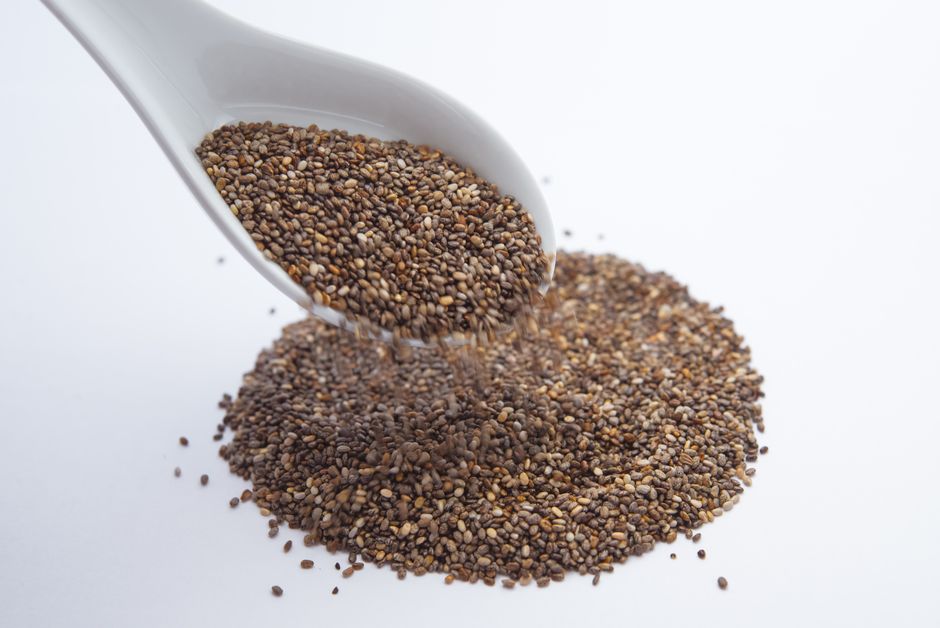
Chia seeds are the small edible seeds of Salvia hispanica, a plant in the mint family that was grown in Mexico and Central America long before Europeans arrived. Nutritionally, they are dense: a single ounce (about two tablespoons) delivers roughly 4 to 5 grams of protein, close to 10 grams of fiber, and a meaningful amount of alpha-linolenic acid, a plant-based omega-3 fat. They absorb liquid and form a gel, which is why they show up in puddings, drinks, and baked goods — and why they need a little care when you eat them.
What Are Chia Seeds For Benefits Nutrition And Uses?
Chia seeds are used mainly as a fiber-rich, plant-based food that adds texture and nutrients to meals. People mix them into yogurt, oatmeal, smoothies, and baked goods, or soak them to make puddings and gel drinks. Their main nutritional contributions are dietary fiber, plant protein, and alpha-linolenic acid, along with minerals such as calcium, magnesium, and phosphorus.
It helps to separate what the seed reliably does from what it is marketed to do. The nutrition is well documented. The disease-prevention claims are much softer, and some have not held up in human trials.
What Is the Nutritional Profile of Chia Seeds?
Chia is unusual among seeds for its fiber content and its balance of nutrients. The numbers below come from standard USDA nutrient data for dry chia seeds, per one-ounce (28-gram) serving.
| Nutrient | Approximate amount per 1 oz (28 g) |
|---|---|
| Calories | 138 |
| Protein | 4.7 g |
| Total fat | 8.7 g (mostly unsaturated) |
| Dietary fiber | 9.8 g |
| Calcium | 179 mg |
| Magnesium | 95 mg |
| Phosphorus | 244 mg |
Nearly all of the carbohydrate in chia is fiber, which is why the seed has little effect on blood sugar compared with many other carbohydrate foods. The fat is predominantly polyunsaturated, and a large share of it is alpha-linolenic acid (ALA), the omega-3 fat found in plants.
One point worth clarifying: chia’s ALA is not the same as the EPA and DHA found in fish oil. The body converts ALA to those forms, but the conversion is inefficient. Chia is a useful source of plant omega-3, not a substitute for fish or algae-based EPA and DHA.
How Much Fiber and Protein Do Chia Seeds Provide?
A one-ounce serving gives you about 10 grams of fiber and close to 5 grams of protein. That fiber figure is a substantial share of what most adults need in a day, and it is the seed’s most reliable practical benefit.
The fiber in chia is mostly insoluble, with some soluble fiber that forms the gel. Insoluble fiber adds bulk and helps keep digestion moving. Soluble fiber slows digestion and can feed gut bacteria. Both matter, and chia supplies both.
The protein is plant-based and contains all nine essential amino acids, though in modest amounts per serving. Chia is a supporting player in protein intake, not a primary source the way beans, dairy, or meat are.
Do Chia Seeds Help With Weight Loss?
The evidence here is limited, and the honest position is that chia is not a weight-loss food. Some small studies have looked at chia and appetite, and results have been mixed. A larger, well-known trial found that people taking chia did not lose more weight than those taking a placebo.
The reasoning behind the claims is understandable. Fiber and protein both tend to increase fullness, and chia absorbs many times its weight in liquid, which makes it physically filling. But feeling full after a meal and losing weight over months are different outcomes, and the trials have not shown the second.
What chia can reasonably do is help you meet fiber goals and add volume and texture to meals without many calories from carbohydrate. That is a useful role. It is not a shortcut.
How Do Chia Seeds Affect Blood Sugar and Heart Health?
Chia has a low impact on blood sugar, and some studies suggest it may modestly improve markers in people with type 2 diabetes. The evidence is encouraging but not strong enough to call it a treatment.
Because almost all of chia’s carbohydrate is fiber, it causes little rise in blood glucose on its own. Some small trials in people with type 2 diabetes have reported improvements in fasting glucose and other markers when chia was added to the diet. These were short studies with small numbers of participants, so the findings should be read as promising rather than settled.
On heart health, the picture is similar. Chia provides ALA and fiber, both of which are associated with better cardiovascular markers in broader research. But whether chia specifically lowers heart disease risk has not been established in large human trials. The seed fits into a heart-healthy eating pattern; it does not replace one.
How Should You Eat Chia Seeds?
Chia can be eaten dry or soaked, but soaking is the safer and more versatile choice. The seeds can absorb many times their weight in liquid, and eating a large dry spoonful without enough fluid can cause them to swell in the throat or esophagus, which has led to reported choking and blockage cases.
Soaking solves this. Mixed with liquid, chia forms a gel within about 15 to 20 minutes. That gel is the base for chia pudding, a thickener for smoothies and jams, and an egg substitute in some baking. You can also stir dry chia into yogurt or oatmeal, provided you drink enough fluid alongside it.
A few practical points:
- Drink plenty of water when you eat chia, especially dry chia.
- Start with a small amount, such as one or two teaspoons, to see how your digestion responds.
- Avoid eating a large dry spoonful, and never give dry chia to young children or anyone with swallowing difficulty.
- Chia keeps well in a sealed container away from heat and light, because its fats can go rancid over time.
Are There Risks or Downsides to Chia Seeds?
For most people chia is well tolerated, but the fiber load is the main thing to watch. Adding a lot of fiber quickly can cause bloating, gas, and cramping, so it is usually better to increase gradually and drink more fluid.
Because chia is high in fiber and can slow digestion, it may affect how some medications are absorbed. If you take prescription medication, it is reasonable to separate chia from your dose by a couple of hours and to ask your pharmacist whether it matters for your specific drug.
Chia is also a seed, so people with seed or mustard allergies should be cautious, since cross-reactivity has been reported. Anyone with a history of swallowing problems or a narrowed esophagus should avoid dry chia entirely. And as with any food, chia is not appropriate for infants, and no clinical guidelines exist for giving chia to babies or very young children.
How Do Chia Seeds Compare With Flaxseeds?
Chia and flaxseeds are close cousins nutritionally, and both are good choices. The differences are practical more than dramatic.
Chia has more fiber and calcium per serving and does not need to be ground for your body to access its nutrients. Flaxseeds have a somewhat higher ALA content and contain lignans, plant compounds studied for their own reasons, but whole flax passes through largely undigested unless ground. Flax also goes rancid faster and needs refrigeration; chia stores more easily.
Neither seed has been shown in large trials to prevent disease on its own. Both are useful additions to a diet that is already varied. If you had to pick one for convenience, chia is easier to use. If you want the most ALA per spoonful and do not mind grinding, flax is a fine option.
What Is the Bottom Line on Chia Seeds?
Chia seeds are a genuinely nutrient-dense food, strongest for fiber, plant protein, and ALA, with useful amounts of calcium and magnesium. They are easy to add to meals and well suited to a balanced diet.
What they are not is a treatment. The weight-loss claims are not supported by the better trials, and the heart and blood sugar benefits are suggestive but unproven at the level of hard outcomes. Eat them because they are nourishing and convenient. Do not expect them to do more than food can.
Frequently Asked Questions
How much chia should you eat a day?
There is no official daily recommendation for chia. A common serving is about one ounce, or two tablespoons, which provides roughly 10 grams of fiber and 5 grams of protein.
Can you eat chia seeds dry?
You can, but it is safer to soak them or eat them with plenty of fluid. Dry chia swells when it absorbs liquid and has caused choking and esophageal blockage in reported cases.
Do chia seeds really help you lose weight?
The evidence does not support that claim. Some trials found no difference in weight loss compared with a placebo, though chia can help with fullness and fiber intake.
Are chia seeds better than flaxseeds?
Neither is clearly better. Chia has more fiber and calcium and needs no grinding, while flax has slightly more ALA and contains lignans.
