
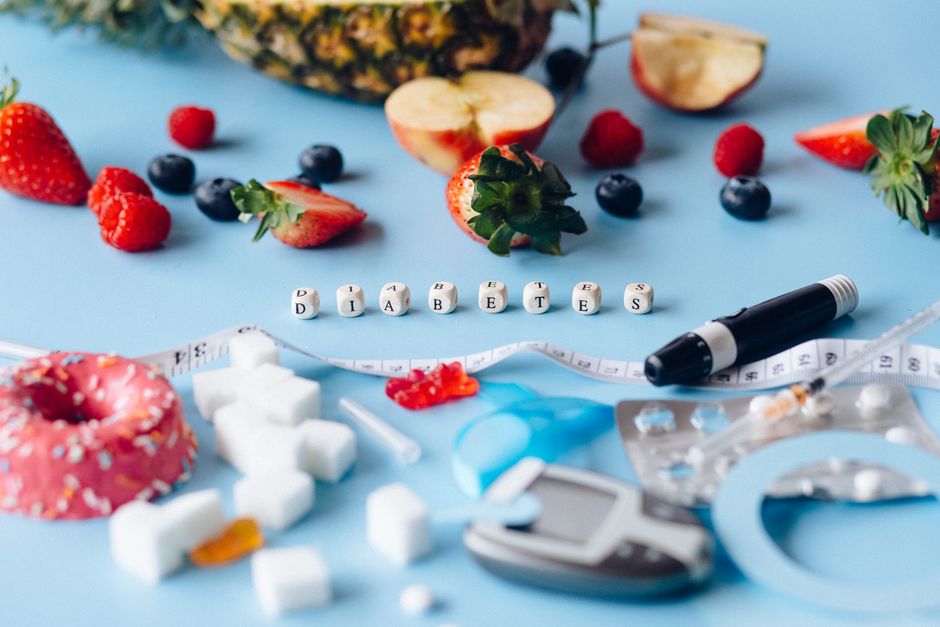
Berries are among the most studied fruits for metabolic health, and the evidence is strong. Research consistently shows that eating berries helps blunt the blood sugar spike that follows a meal, feeds beneficial gut bacteria, and delivers a concentrated dose of protective plant compounds. Unlike many other sweet fruits, berries pack this punch with relatively little sugar, making them a genuinely smart addition to most diets.
How Do Berries Affect Blood Sugar?
Berries are unique because they deliver sweetness without the dramatic glucose response seen with other fruits like bananas or grapes. The primary reason is fiber. A single cup of raspberries or blackberries contains around 8 grams of fiber, which slows digestion and the absorption of sugar into the bloodstream.
Studies have found that when people eat berries alongside a high-carbohydrate meal, their post-meal insulin response is lower and their blood glucose stays more stable. This effect appears to come from the polyphenols in berries, which may inhibit enzymes that break down carbohydrates. The result is a slower, gentler rise in blood sugar rather than a sharp peak.
For people with type 2 diabetes or prediabetes, this matters. Berries are one of the few sweet foods that do not require heavy portion control to be safe. Most clinical guidance supports including them in a diabetes-friendly meal plan, though portion size still matters.
What Do Berries Do for Gut Health?
Your gut bacteria feed on what you eat, and berries are a preferred food source for many beneficial species. The fiber in berries is not fully digestible by your own cells. Instead, it travels to the colon, where gut bacteria ferment it into short-chain fatty acids like butyrate.
Butyrate is the primary fuel for the cells lining your colon. It supports the gut barrier, which controls what passes from your intestines into your bloodstream. A stronger gut barrier is associated with less systemic inflammation. Some research suggests that the polyphenols in berries also act as prebiotics, selectively encouraging the growth of beneficial bacteria while inhibiting harmful strains.
The evidence here is promising but still emerging. Most human trials are short-term and involve small groups. The direction of the data is consistent, but the long-term impact on overall disease risk is not yet fully proven.
Which Berries Are Best for Blood Sugar and Gut Health?
All berries are good, but some stand out for specific reasons. The table below compares the key nutritional profiles of common berries based on USDA data.
| Berry (1 cup) | Fiber (grams) | Sugar (grams) | Vitamin C (% DV) |
|---|---|---|---|
| Raspberries | 8 | 5 | 54% |
| Blackberries | 8 | 7 | 50% |
| Blueberries | 4 | 15 | 24% |
| Strawberries | 3 | 7 | 149% |
Raspberries and blackberries lead in fiber with the lowest sugar content. Strawberries are remarkable for vitamin C. Blueberries contain the most sugar per cup but are still moderate compared to most fruits. Frozen berries retain nearly all of their nutritional value, so seasonal availability does not have to limit your intake.





What Are Berries Good For Beyond Blood Sugar and Gut Health?
The benefits extend well beyond glucose control and digestion. Berries are among the highest sources of anthocyanins, the pigments that give them their deep red, purple, and blue colors. These compounds are potent antioxidants that neutralize free radicals, unstable molecules that can damage cells over time.
Research published in the Journal of Nutrition has linked regular berry consumption to improved cognitive function in older adults. Some studies suggest that anthocyanins cross the blood-brain barrier and may protect neurons from age-related damage. The effect sizes are modest, and no berry can prevent dementia, but the evidence supports berries as part of a brain-healthy diet.
Cardiovascular benefits are also well documented. Clinical trials have shown that daily blueberry consumption can lower blood pressure in people with metabolic syndrome. The mechanism appears to involve improved endothelial function, which means the blood vessels relax and expand more easily.
Can Berries Help with Weight Management?
Berries are low in calories but high in volume and water. A cup of strawberries contains about 50 calories, while a cup of raspberries contains about 65. This makes them useful for people trying to manage their weight because they provide sweetness and satiety without a high energy load.
The fiber content also promotes fullness by slowing gastric emptying. You feel full longer after eating berries than after drinking fruit juice or eating dried fruit. Whole berries, not juices or smoothies, are the form that delivers these benefits. Blending berries breaks down some fiber and makes the sugar more rapidly absorbable.
Are Dried Berries and Berry Juices Just as Good?
No. Drying berries concentrates their sugar significantly. A small handful of dried cranberries can contain more sugar than a full cup of fresh ones. Many commercial dried berries are also coated with added sugar to reduce tartness.
Berry juices are even more problematic. Juicing removes most of the fiber, leaving a sugar-rich liquid that spikes blood glucose quickly. Even 100 percent berry juice without added sugar behaves more like a sugary drink than a whole fruit. If you enjoy juice, treat it as an occasional treat rather than a daily health habit.
Frozen berries are the best alternative to fresh. They are picked at peak ripeness and flash-frozen, which preserves their polyphenol content. No clinical evidence currently shows that freeze-dried berry powders provide the same benefits as whole berries, despite aggressive marketing claims.
How Many Berries Should You Eat Per Day?
There is no official daily requirement for berries specifically. General dietary guidance recommends at least two servings of fruit per day, and berries are an excellent way to meet that target. A serving is typically one cup of whole berries or half a cup of frozen.
Eating a cup of mixed berries most days of the week is a reasonable goal for most adults. People with diabetes should monitor their portion sizes and may benefit from pairing berries with protein or fat, such as Greek yogurt or nuts, to further slow glucose absorption. No clinical guidelines currently exist for a specific therapeutic berry dose, and anyone claiming a precise number is overstating the evidence.
Are There Any Risks or Downsides?
Berries are safe for almost everyone. The main concern is for people with kidney disease who need to limit potassium or oxalate intake. Berries contain moderate amounts of both, and a kidney specialist should guide intake in these cases.
Some people experience digestive discomfort from the high fiber content if they suddenly increase their intake. Starting with smaller portions and increasing gradually over a week or two usually resolves this. Berries are also a common trigger for people with oral allergy syndrome, a cross-reaction between certain pollens and raw fruits. Cooking berries typically eliminates this reaction.
Pesticide residue is a consideration. Strawberries often rank high on environmental working group lists for residue, though the health impact of these trace amounts remains debated. Washing berries thoroughly or choosing organic when budget allows are reasonable steps, but the benefits of eating conventional berries far outweigh the risks of skipping them entirely.
Frequently Asked Questions
Are berries good for people with diabetes?
Yes, berries are one of the best fruit choices for diabetes because they are relatively low in sugar and high in fiber. Studies show they produce a gentler blood sugar response than most other fruits.
Can eating berries every day improve gut health?
Daily berry consumption can support gut health by feeding beneficial bacteria with fiber and polyphenols. The effect is real but gradual, and results vary between individuals.
Are frozen berries as healthy as fresh berries?
Frozen berries are nutritionally comparable to fresh berries, and sometimes better because they are frozen at peak ripeness. The freezing process preserves most vitamins and polyphenols.
Do berry supplements work as well as whole berries?
No clinical evidence currently confirms that berry extracts or powders match the benefits of whole berries. The fiber in whole berries is a major part of their value, and supplements lack it.
