
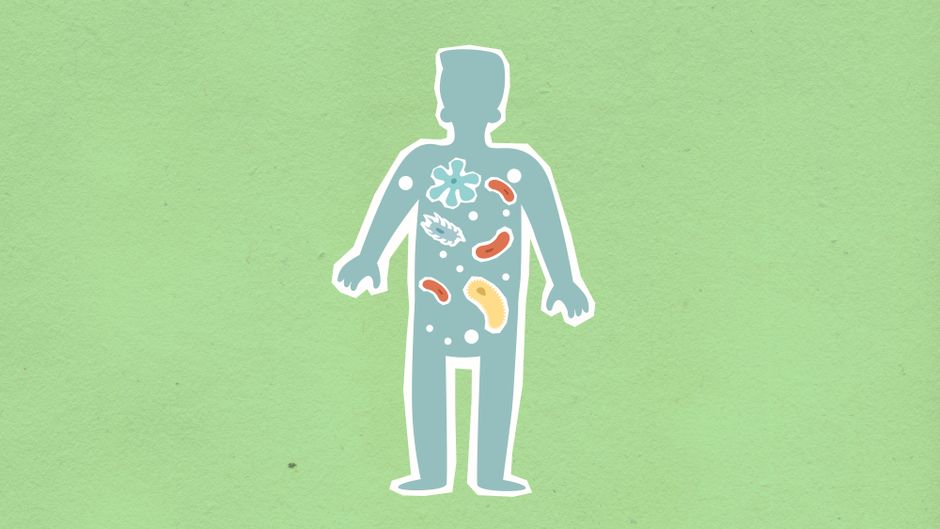
Beneficial bacteria, often called probiotics, are live microorganisms that provide health benefits when consumed in adequate amounts. They help by balancing your gut microbiome, supporting digestion, and defending against harmful bacteria. These microbes are not invaders — they are essential partners that have lived with humans for millions of years.
Your body contains roughly as many bacterial cells as human cells, mostly in your digestive tract. This community of microorganisms, called the gut microbiome, influences everything from nutrient absorption to immune function. When beneficial bacteria thrive, they support your health in ways scientists are still discovering.
What Are Beneficial Bacteria And How Do They Help?
Beneficial bacteria are microorganisms that live in and on your body without causing disease. They exist naturally in fermented foods, in your digestive tract, on your skin, and in your mouth. The most studied types belong to two groups: Lactobacillus and Bifidobacterium, though many other species also play important roles.
These bacteria help in several concrete ways. They break down food components your body cannot digest on its own, such as certain fibers. They produce vitamins, including some B vitamins and vitamin K. They also occupy space in your gut, making it harder for harmful bacteria to establish themselves.
Your gut lining is a selective barrier. Beneficial bacteria help maintain this barrier by supporting the cells that form it. A stronger barrier means fewer unwanted substances pass from your intestines into your bloodstream. This is one reason researchers study the microbiome’s role in conditions beyond digestion.
How Do Beneficial Bacteria Affect Digestion?
Digestion begins with enzymes in your mouth and stomach, but much of the work happens in your large intestine with bacterial help. Dietary fiber reaches your colon undigested. Beneficial bacteria ferment this fiber, producing short-chain fatty acids like butyrate, acetate, and propionate.
Butyrate is particularly important. It serves as the primary energy source for the cells lining your colon. Without adequate fiber and the bacteria that ferment it, these cells receive less fuel. The short-chain fatty acids also influence gut motility, helping food move through your system at a healthy pace.
Some people experience gas or bloating when they first increase fiber intake. This happens because gut bacteria are adjusting to a new food source. Over time, the bacterial community adapts, and symptoms typically lessen. This is normal and not a sign that fiber is harmful.
What Role Do Beneficial Bacteria Play in Immunity?
About 70 percent of your immune system resides in your gut. Beneficial bacteria communicate directly with immune cells there. They help train immune cells to distinguish between harmful invaders and harmless substances, such as food proteins.
This training matters. When the microbiome is disrupted, immune responses can become misdirected. Research has linked microbiome imbalances to conditions like allergic reactions and inflammatory bowel disease. The exact mechanisms are complex, but the connection is well established.
Beneficial bacteria also produce antimicrobial substances. These compounds inhibit the growth of pathogenic bacteria, yeast, and other unwanted microorganisms. This is a direct defense mechanism, not just an indirect effect of occupying space.



How Do Beneficial Bacteria Support Mental Health?
The gut-brain axis is a two-way communication system between your digestive tract and your brain. Beneficial bacteria influence this axis through nerve signals, immune molecules, and chemical messengers. The vagus nerve is a major pathway for this communication.
Some research suggests that certain probiotic strains may affect mood and stress responses. Studies in animals show clear effects, but human research is more limited. The evidence is promising but not conclusive enough to recommend probiotics as a treatment for depression or anxiety.
What is clearer is that a healthy diet supports both gut and mental health. Diets rich in fiber, fermented foods, and whole plant foods are associated with better mood outcomes in observational studies. This does not prove causation, but the connection is biologically plausible.
What Foods Contain Beneficial Bacteria?
Fermented foods are the most reliable dietary source of live beneficial bacteria. Yogurt with live cultures is the most widely consumed option. Other sources include kefir, sauerkraut, kimchi, miso, tempeh, and some types of cheese.
Not all fermented foods contain live bacteria. Pasteurization kills microorganisms, including beneficial ones. Check labels for phrases like “live cultures” or “contains active cultures.” Some commercial products are fermented and then heat-treated, which removes the live bacteria.
Prebiotics are different from probiotics. Prebiotics are types of fiber that feed beneficial bacteria already in your gut. Garlic, onions, bananas, oats, and apples are good sources. Eating both probiotics and prebiotics is often called a “synbiotic” approach, and it may support a healthier microbiome more effectively than either alone.
Should You Take Probiotic Supplements?
Probiotic supplements are widely available and heavily marketed. The evidence for their benefit varies by strain, dose, and condition. Some strains have solid clinical support for specific uses, such as preventing antibiotic-associated diarrhea or reducing symptoms of irritable bowel syndrome.
For healthy adults, the benefits of routine probiotic supplementation are less clear. Studies show that supplements can temporarily increase beneficial bacteria in the gut, but they typically do not permanently colonize the digestive tract. Once you stop taking them, the bacteria often fade.
Quality matters. The supplement industry is not tightly regulated. Products may not contain the strains or doses listed on the label. Some independent testing organizations verify product contents, but not all manufacturers participate.
Probiotics are generally considered safe for healthy people. Side effects are usually mild and temporary, such as gas or bloating. However, people with weakened immune systems, severe illness, or central venous catheters should consult a doctor before taking probiotics, because rare cases of infection have been reported.
How Can You Maintain a Healthy Gut Microbiome?
Diet is the most powerful tool you have. Eating a variety of plant foods supports bacterial diversity, which is consistently associated with better health outcomes. Aim for a wide range of fruits, vegetables, legumes, whole grains, and nuts rather than the same few foods repeatedly.
Fiber intake is particularly important. Most adults consume far less fiber than recommended. Increasing fiber gradually helps your gut bacteria adjust and reduces digestive discomfort. Fermented foods can also be added to your routine, even in small amounts.
Antibiotics are sometimes necessary, but they do not discriminate between harmful and beneficial bacteria. If you take antibiotics, eating fermented foods or taking a probiotic during and after the course may help restore your microbiome. Some evidence supports this practice, though results vary.
Sleep, exercise, and stress management also appear to influence the microbiome. The research here is less definitive than the diet evidence, but the overall pattern is consistent. A healthy lifestyle supports a healthy gut, and a healthy gut supports overall health.
Frequently Asked Questions
Can you get beneficial bacteria from food alone?
Yes, fermented foods like yogurt, kefir, and sauerkraut provide live beneficial bacteria. Eating a variety of these foods regularly is a reliable way to support your gut microbiome without supplements.
How long does it take for probiotics to work?
Some effects, like reduced digestive discomfort, may appear within days for certain strains. Changes to the overall microbiome community typically take several weeks of consistent use.
Are probiotic supplements safe to take every day?
For healthy adults, daily probiotic use is generally considered safe with mild, temporary side effects possible. People with weakened immune systems or serious medical conditions should consult a healthcare provider first.
Do beneficial bacteria survive stomach acid?
Many strains do survive passage through the stomach, though some are more resilient than others. Manufacturers often select strains for acid resistance, and taking probiotics with food may improve survival rates.
